Listening for the Songs of Home: Tracing the Unheard Vietnamese Soundscape in Taiwan

Written by Kuo Ta-Hsin. This piece introduces the Vietnamese presence in Taiwan, through different sonic performances, to link Vietnamese students and/or migrants closer to their home. It is just for instance, In the karaoke rooms and Vietnamese eateries of Taichung, memory meets reality. Voices turn into acts of belonging, and to sing is to remain Vietnamese, even far from home.
The Rise and Exclusion within Multicultural Discourses of Immigrant Integration in Taiwan

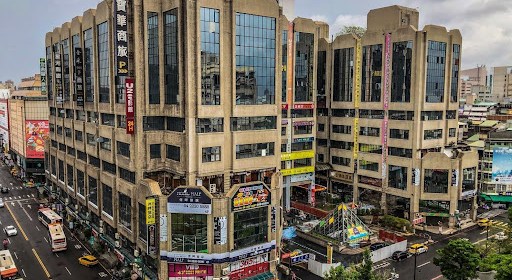
Written by Chien-Ping Liu. This article examines how transnational marriage migration has reshaped Taiwan’s demographic and civic landscape since the 1990s. It traces the shift from stigmatisation to multicultural recognition through grassroots advocacy and state developmental agendas. While bottom-up movements advanced inclusion, state-led multiculturalism often instrumentalised difference, reproducing class, gender, and geopolitical hierarchies within Taiwan’s immigrant integration discourse.

Vietnam Kinmen Association (Fuji Temple): A Symbol of Taiwan’s Soft Diplomacy in Saigon before 1975

Written by Meiyuan Kou. This article traces the history of the Kinmen Association (Fuji Temple) in Saigon-Cholon, established in the early 1970s as both a religious hub for Kinmen migrants and a channel of Taiwan’s soft diplomacy in South Vietnam. It examines how this small community institution fostered transnational ties, cultural continuity, and identity preservation across shifting political landscapes before and after 1975.

Of Swallows and Nests: The Migration Trajectories of Kinmen’s Wartime Generation and Their Return Home

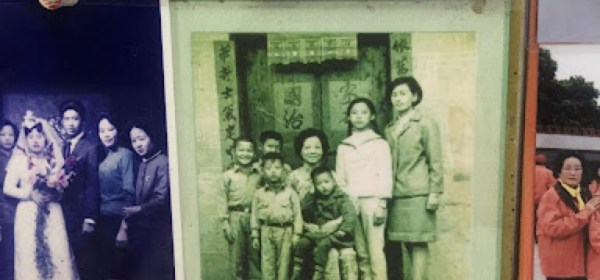
Written by Junbin Tan. This article traces the Lin family’s multigenerational migration from wartime Kinmen Island to Southeast Asia and beyond. Anchored in an ethnographic encounter with Grandma Lin and her family, the author follows the Lins’ migratory trajectories of departure, separation and eventual return, revealing how Kinmenese mobility was shaped by political restriction, economic necessity, and the moral economies of kinship.

Religious Transnationalism and Historical Narratives of Taiwan Indigenous Peoples during the 1995 Taiwan Strait Crisis  

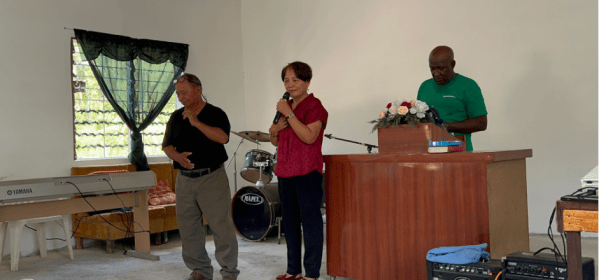
Written by Fasa’ Namoh. This article explores how charismatic Christian prophecy shaped the 1990s migration of Paiwan families from Taiwan to Belize. Drawing on multisited fieldwork in Belize, Taiwan, and the United States, the research examines how religious landscapes and cultural memory are reterritorialised through cross-cultural encounters and diasporic practices.  

Navigating Taiwanese Identity: Second-Generation Multiculturalism in Conversation with Dr Pei-Chia Lan

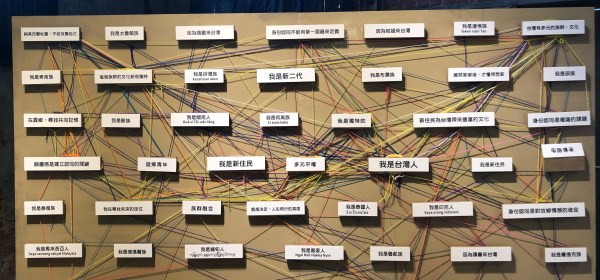
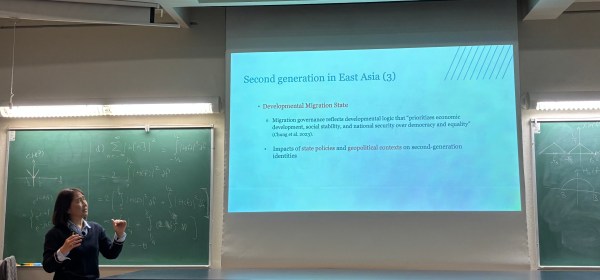
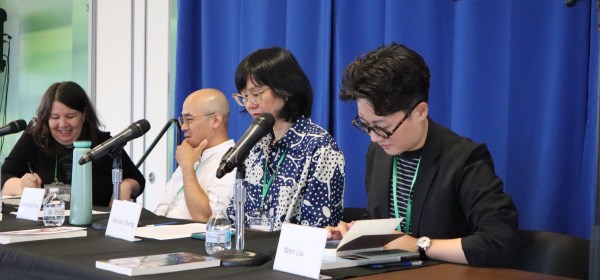
Written by Rose Kuo and Rachel Levine. The article is the first in this special issue in collaboration with the Center for Taiwan Studies (CTS) at the University of California, Santa Barbara. It recapitulates a talk by Dr. Pei-Chia Lan, hosted by CTS. Focusing on children of immigrant marriage migrants and their children, Dr. Lan examines identity struggles, social stigma, and geopolitical impacts. Her research highlights Taiwan’s evolving multicultural landscape and advocates for inclusive policies that support immigrant families and promote societal integration.

Asian Migrants and Taiwanese Americans: A Dialogue on Identity, Activism, and History

Written by Panchen Lo, Pei-Chen Cheng, and Ssu-chieh Jessica Fan (University of Texas, Austin). This article details a panel discussion at the NATSA conference featuring three scholars who discussed the experiences and identities of Taiwanese Americans. The panel focused on the intersection of Cold War geopolitics, class, and the complicated process of identity formation. It critically examined how historical context, class, and racial narratives have shaped the lives and experiences of Taiwanese Americans.

Introduction to Island X

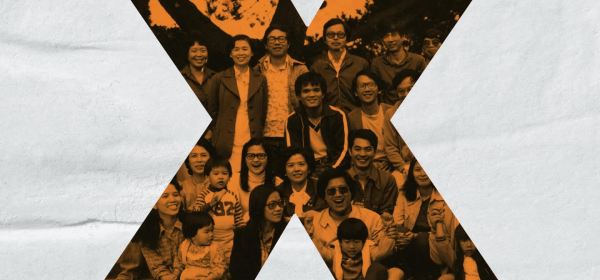
Written by Wendy Cheng. This article introduces Cheng’s 2023 book Island X: Taiwanese Student Migrants, Campus Spies, and Cold War Activism. The book tells the political history of a generation of Taiwanese who migrated to the US as students from the 1960s to the 1980s during the late Cold War and KMT martial law, and who became politically active in struggles for democracy, human rights, and Taiwan independence.

Challenging the Myth of Intercultural Competence: Encounters between the “New Second Generation” and a Philippine Studies Scholar in Taiwan 

Written by Yi-Yu Lai. In the name of promoting multiculturalism in Taiwan, the new second generation is anticipated to utilise their intercultural ability to serve as a bridge between Taiwan and Southeast Asia. This article highlights that the assumption has caused increased anxiety among the new second generation if they are unable to prove their competence. It has also erased the internal disparities and the actual daily experiences of the individuals, making the historical injustice and their own agendas invisible.

1 2 3 9