Brext Conference 2019: Europe and East Asia after Brexit

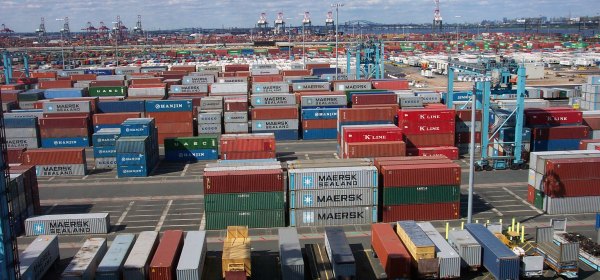
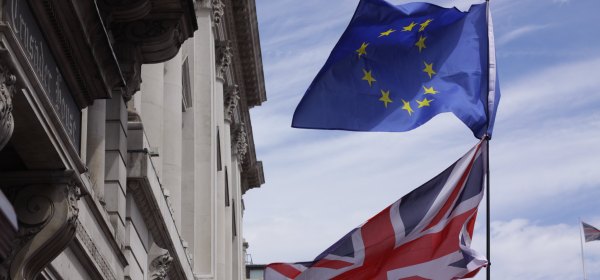
Written by Chun-yi Lee. Does Brexit impact Taiwan? The answer is, yes. Rather than repeat the tired cliché of ‘this is a globalised world’, I will instead ask our readers to think deeper about the interconnectivities of supply chains, the mobility of human talent in the innovation and high education sectors, and cross-regional trading agreements such as the TPP and CPTPP. If one considers all these different elements, Brexit certainly impacts on Taiwan and East Asia as a whole.

Gender Segregation of Work in Taiwan

Written by Chin-fen Chang. The female labour force participation rate in Taiwan has in recent years increased and is now over 50%. Women account for 44% of total employment and the proportion of women holding degrees of university education is almost equal to that of men. The socio-economic and legal status of Taiwanese women has improved over the past few decades and Taiwan’s Gender Equality in Employment Act was implemented in 2002. Global gender equality indices show Taiwan ranking high and topping East Asian states.

Taiwan’s Independent Labour Movement is at a Crossroads

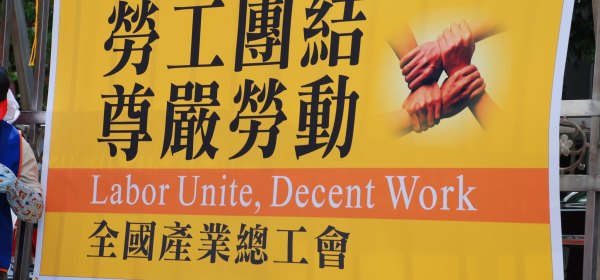
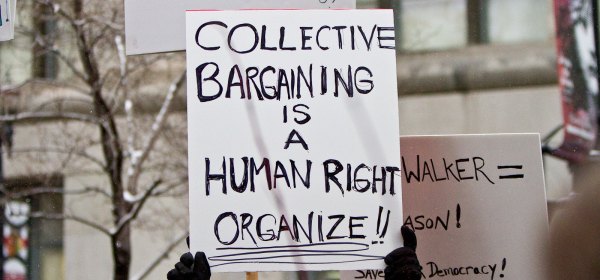
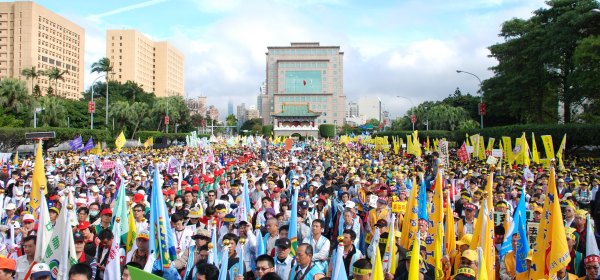
Written by Santanu Sarkar and Mei-Chun Liu. The independent labour movement is at a crossroads. The DPP’s campaign for independence will reduce jobs as the mainland will curb exports and investment in Taiwan, whereas defending unification will rob Taiwanese jobs as the mainland friendly KMT will not hesitate to liberalise the economy so that the outflow of foreign investment increases alongside privatisation.

The Critical Functions of Taiwanese Education Agents During the Era of Commercialisation in Global Higher Education

Written by Kenneth H. Chen. My fieldwork uncovered the critical functions played by Taiwanese education agents in sending international students abroad. These education agents served as mediators of students and parents’ feelings, emotions, and relationship with others. Studies show that middle-class parents and children are calculative and anxious about seeking college education abroad.

Why China’s solo tourist ban is not a big deal for Taiwan

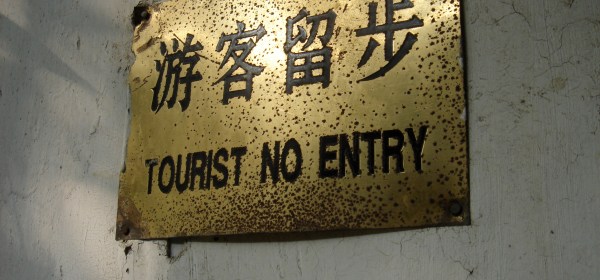
Written by Min-Hua Chiang. Businesses and entertainers have been forced to adhere to the “One-China Policy”, and from 1st August 2019 Chinese nationals from 47 cities in China were prohibited to visit Taiwan on an individual basis. China’s new tourism restraint is another attempt to intimidate Taiwan.

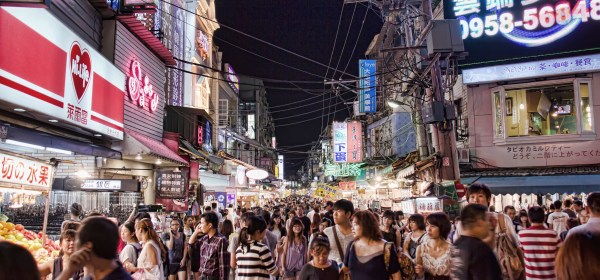
Taiwanese officials estimated a reduction of NT$18,000 million (US$574 million) in tourism revenue and a fall of 0.1% GDP following China’s new tourism policy. Looking at the statistics in detail, the impact on Taiwan’s economy is limited.

Taiwan: The Next Crypto Capital of the World

Written by Marc Howard. Taiwan is a hotbed for tech start-ups focusing on block-chain, Artificial Intelligence (AI) and the Internet of Things. It hosts a proliferation of major start-up accelerators and incubators, including start-up super-hubs like Taiwan Tech Arena, which will spawn 100 start-ups per year and expedite the overseas expansion of 300 start-ups over the next three years.

Does the state of the economy matter when explaining presidential approval ratings in Taiwan?

Written by Eric Chen-hua Yu. Empirical studies on presidential approval ratings in the US and other OECD countries have long concluded that the state of the economy is an important factor explaining the rise and fall of presidential approval ratings. Specifically, when economic conditions are good, the sentiment toward the president will be positive. In light of this correlation, does the presidential approval rating in Taiwan follow such a pattern?

1 17 18 19 20 21