Teaching Instruction Manual of Safe Cycling in Taiwan: A Critical Discourse Analysis

Written by Yi-Ting Lu. This article introduces and examines the “Safe Cycling” manual for school teachers and parents in Taiwan. The author argues that while it emphasises cyclists’ responsibilities, the manual neglects children’s unique needs and perceptions. It is recommended that future revisions should empower children and foster a positive image of cyclists to enhance safety.

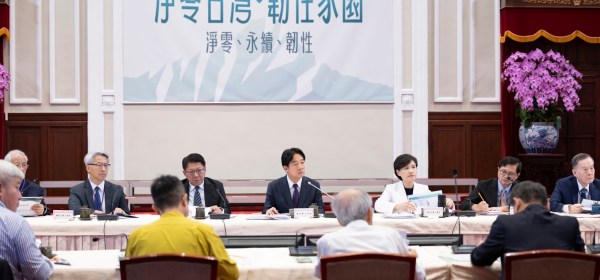
The national Committee on Climate Change: Also a security issue  

Written by Paul Jobin. This article discusses the challenges and strategic priorities of Taiwan’s national committees placed in the Presidential Office, addressing the issues of climate change, defence resilience, and health. This article reviews the first meeting of the National Climate Change Response Committee to assess the government’s stance on nuclear energy, the priorities of different stakeholders in climate policy, and the potential synergies with Taiwan’s defence and health strategies.  

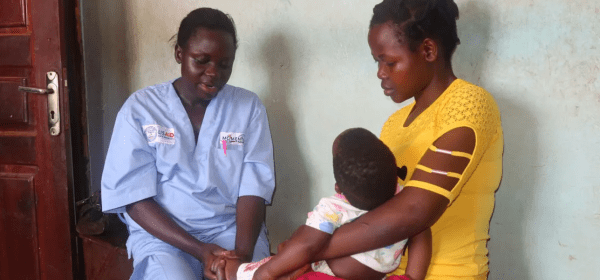
Teenage Pregnancies, Child Marriage, and Girl Child Sexual Abuse in Malawi

Written by Lana Chikhungu. In both Taiwan and Malawi, adolescent pregnancy is associated with an increased risk of physical and mental health issues. Also observed in both Taiwan and Malawi during the COVID-19 pandemic is the higher risk women were exposed to gender-based violence. Studies on pregnancy in Taiwan during the pandemic focused on how the disease affected pregnancy and maternal care practices and how the disease had an impact on sex life. This article provides insights into teenage pregnancies, child marriage and girl child sexual abuse in Malawi.

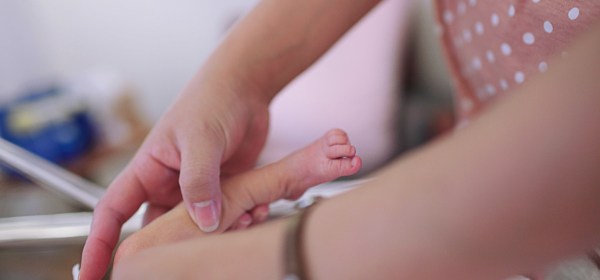
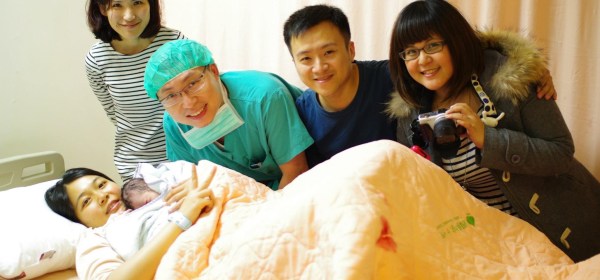
Assisted Reproductive Act Amendment: The Testing Ground for the New Taiwanese Parliament’s Power Dynamics

Written by JhuCin Rita Jhang, Ph.D. The 2024 Taiwanese presidential election has garnered substantial international attention due to the ever-intricate US-Taiwan-China relationship. However, this election means more to the Taiwanese than just how they want to engage with China. Contrarily, domestic issues carried much more weight than usual, including housing prices, economic policies, transportation infrastructure, and, for the first time in the centre of the competition, the Assisted Reproductive Act (ARA).