The History of Comics in Taiwan: 1940s to 1980s

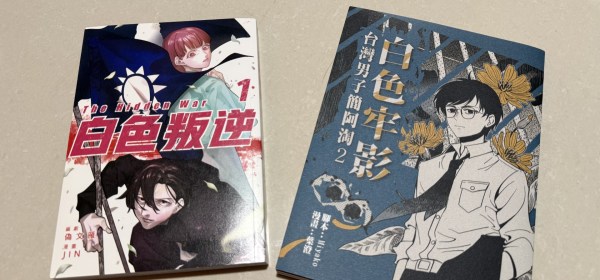
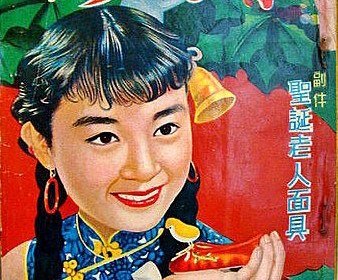
Written by I-Yun Lee. This article is an overview that traces Taiwanese comics from Japanese colonial to post-war Taiwan, the rise of rental comics, and the severe censorship that stifled creators from the 1960s to the 1980s. Shaped by colonial importation, market demand, and state control, Taiwan’s comic history emerges as a story of negotiation and constraint.

Who Is Taiwanese: Rejection or Redefinition?

Written by Meng Kit Tang. This article explores the evolving debate over Taiwanese identity, contrasting two models: the rejectionist approach and the redefinition model. It examines the implications of each model for domestic cohesion, diplomacy, and national resilience, arguing that a redefinition approach provides Taiwan with a stronger foundation to navigate internal polarisation and external pressures.

The 114th Double-Tenth Day on NATO’s Eastern Flank: A Celebration of What Never Was

Written by Chien, Hung-yi. This article reflects on a National Day reception hosted by Taiwan’s representative office in a NATO member state on its eastern flank. Answering the question of what happened in Taiwan 114 years ago highlights two national-historical narratives of Taiwan. The author believes a Taiwan-centred view aligns more closely with lived reality and explains Taiwan’s complicated history to international friends.

Eighty Years After the Battle of Okinawa, Thousands of Taiwan’s World War II Dead are Still Missing

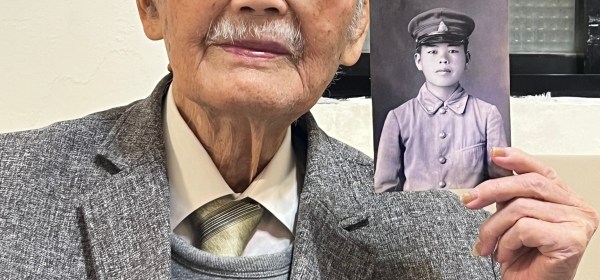
Written by Bryn Thomas. This article interviews one of the thousands of Taiwanese who fought for Japan in the Battle of Okinawa. With at least 1000 Taiwanese troops took part and suffered a casualty rate of over 90% during the battle, the Okinawa Peace Memorial only listed 34 names of Taiwan’s war dead. The postwar political situation in Taiwan made it complex to honour these fallen soldiers.

Taiwan’s Forgotten War: WWII Survivors Remember US Bombing Raid On Taipei

Written by Bryn Thomas. This article remembers the survivors of the US bombing of Taipei in May 1945. Although the day was one of the deadliest in Taipei’s history, there are no public memorials to the Taipei Air Raid. In the 80 years since the war, a combination of political realities and dominant narratives has left it largely forgotten, except by those who lived through it. 

“From Empire to Republic”: Taiwan, WWII, and Making a History Docuseries

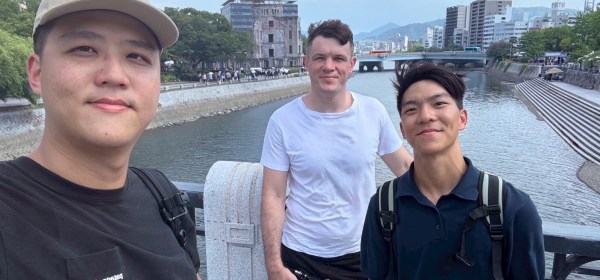
Written by Bryn Thomas. This article takes us behind the scenes in the creation of the From Empire to Republic docuseries of TaiwanPlus News and this special issue. Taiwan’s World War II history made it to the headlines time and again in 2025, including President Lai Ching-te marking the 80th VE day in May to Lai drawing parallels between current Taiwan and the 1930s’ democracies when commemorating the VJ day.

The House of Chiang: Between Reverence and Reckoning

Written by Meng Kit Tang. This article explores Taiwan’s debate over the Chiang Kai-shek Memorial Hall — a site that embodies both national survival and authoritarian trauma. It calls for transforming the hall into a civic classroom that contextualises Chiang’s achievements and abuses, draws lessons from Germany and South Africa, and contrasts Taiwan’s openness with Beijing’s censorship.

Group Photos (Hezhao) and the Depoliticisation of Indigeneity in Taiwan 

Written by Aaron Su. This article discusses the crucial role of photography in consolidating a liberal multicultural order in Taiwan by obscuring dissent through visual depictions of harmonious Indigenous life. Drawing on fieldwork at Taiwan’s Cultural Health Stations, the author shows how photography portrays Indigenous satisfaction with current health policies, leaving little room for the everyday pressures, demands, and disputes.

My PhD Mentor, Tu Laoshi

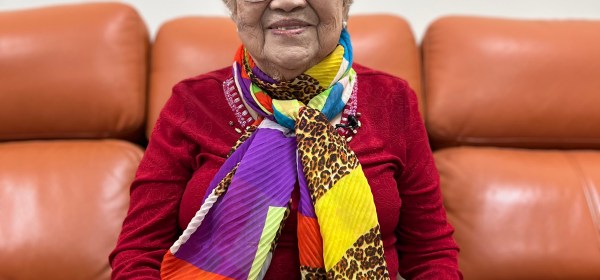
Written by Linshan Jiang. This memorial essay reflects on the author’s time with Professor Tu Kuo-ch’ing, a deeply influential poet, scholar and the founder of the Center for Taiwan Studies at the University of California, Santa Barbara, who passed away earlier this year. His passing left a profound and unexpected void. This essay shares how Professor Tu introduced the author to Taiwanese literature and supported her academic journey.

Diplomacy on Rails: Strengthening Taiwan-Japan Relations Through Railway Culture

Taiwan and Japan use railway diplomacy to strengthen cultural and technological ties through heritage preservation, tourism, and smart rail innovation. Unlike China’s debt-driven projects, their approach prioritises sustainability and soft power. Expanding collaborations into Southeast Asia and integrating AI-driven rail systems will enhance their influence in the Indo-Pacific region.

Teasing Romantic and Literary Appetite: Reading Taiwan Travelogue

Written by Mu-Hsi Kao Lee. The article explores the experience of reading Taiwan Travelogue as a translated historical yuri novel. Kao Lee reflects on how the narrative, despite its clear genre and straightforward plot, evokes a sense of both satisfaction and longing in the reader. The article highlights the story’s ability to interweave historical and cultural details with the protagonists’ emotional connection, examining themes of desire, identity, and the complexities of relationships within a specific historical context.

1 2 3 15