The History of Comics in Taiwan: 1940s to 1980s

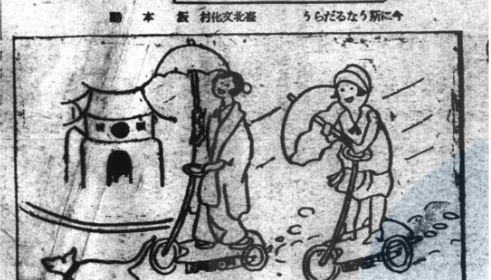
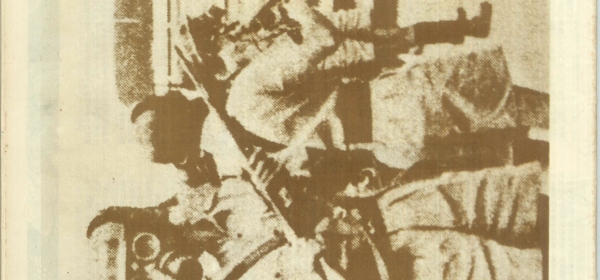
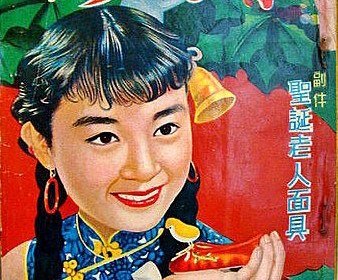
Written by I-Yun Lee. This article is an overview that traces Taiwanese comics from Japanese colonial to post-war Taiwan, the rise of rental comics, and the severe censorship that stifled creators from the 1960s to the 1980s. Shaped by colonial importation, market demand, and state control, Taiwan’s comic history emerges as a story of negotiation and constraint.
Group Photos (Hezhao) and the Depoliticisation of Indigeneity in Taiwan 

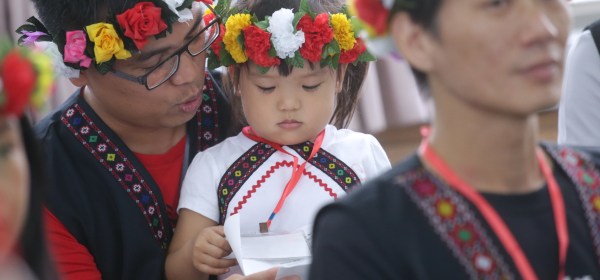
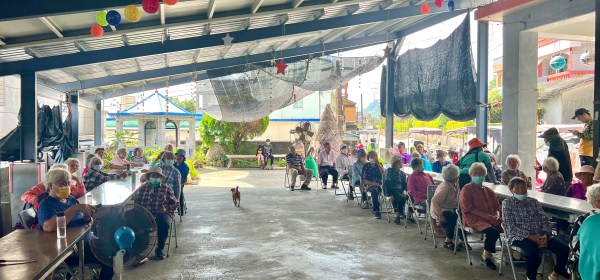
Written by Aaron Su. This article discusses the crucial role of photography in consolidating a liberal multicultural order in Taiwan by obscuring dissent through visual depictions of harmonious Indigenous life. Drawing on fieldwork at Taiwan’s Cultural Health Stations, the author shows how photography portrays Indigenous satisfaction with current health policies, leaving little room for the everyday pressures, demands, and disputes.

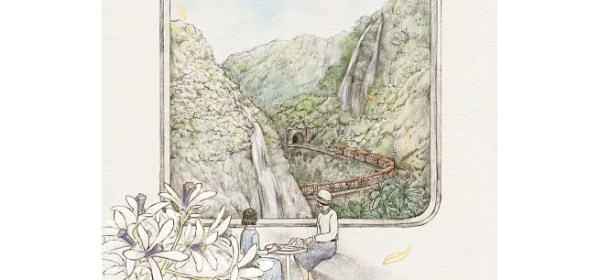
Teasing Romantic and Literary Appetite: Reading Taiwan Travelogue

Written by Mu-Hsi Kao Lee. The article explores the experience of reading Taiwan Travelogue as a translated historical yuri novel. Kao Lee reflects on how the narrative, despite its clear genre and straightforward plot, evokes a sense of both satisfaction and longing in the reader. The article highlights the story’s ability to interweave historical and cultural details with the protagonists’ emotional connection, examining themes of desire, identity, and the complexities of relationships within a specific historical context.

Food is politics, and so is travel. 

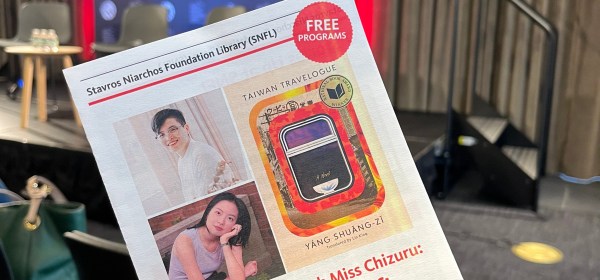
Written by Chee-Hann Wu. This article discusses Taiwan Travelogue and its US book tour earlier this year. It highlights the controversial marketing strategy, the extensive use of footnotes to enrich the historical context, and the categorisation of the novel as queer literature due to the evident, though subtle, romantic undertones between the two female protagonists.

Black Cat and Black Dog: Gendered Modernity and Youth Identity in Colonial Taiwan

Written by Wei-chi Chen. This article explores the terms “Black Cat” and “Black Dog” in colonial Taiwan during the 1920s and 30s. These terms, originating from a Taiwanese opera song, were used to translate the Japanese “moga” and “mobo,” describing emerging gender identities and a new social identity in modern urban culture. They also reflected a shift towards liberation and a contrast with existing gender norms at that time.

Taiwanese Psychiatrists’ Cultural Inquiries in the 1950s: Toward a Prehistory of Transcultural Psychiatry and Psychological Anthropology on the Verges of the Japanese and American Empires

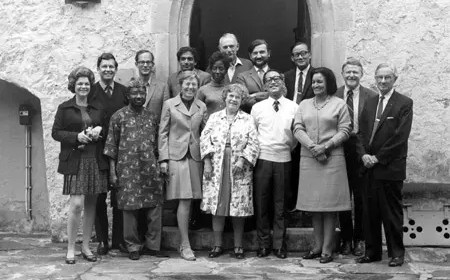
Written by Alex Hsu-Chun Liu. This article reviews the cultural inquiries of Taiwanese psychiatrists in the postwar years, a period that saw the birth of transcultural psychiatry. The stories of Hsien Rin and Tsung-Yi Lin revealed the shift from eugenics to socio-cultural psychiatry and contributed to the decolonialisation of psychiatry in a postcolonial society.

Indigenous Language Education in Taiwan: From Language Preservation to Community-Based Learning 

Written by Yang-Hsun Hou, Nikal Kabala’an (a.k.a. Margaret Yun-Pu Tu), and Huiyu Lin. As the Taiwan government has been pushing efforts for Indigenous Language Revitalization and Reclamation, this article highlights the importance of transitioning from government-led preservation to community-based, Indigenous-led education approaches, ensuring that culturally sustaining practices are truly integrated into Indigenous language teaching and learning.  

Is Integrating Possible? Towards weaving knowledges to transform care

Written by Wasiq Silan. This article critiques the superficial integration of Indigenous perspectives within Taiwan’s multiculturalist policy framework, arguing for a transformative approach that prioritises Indigenous knowledge systems in long-term care policies. Highlighting the idea of “weaving knowledge,” it seeks to recentre Indigenous onto epistemologies and challenge the deep-rooted colonial present.

Decolonisation of Multicultural Taiwan

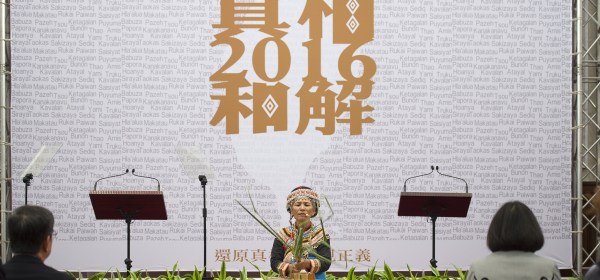
Written by Yulia Nesterova. Although Taiwan has made remarkable progress in transforming into a flourishing multicultural democracy over the past three decades, it still faces challenges in fully decolonising its multicultural vision. Focusing on education policies, this article highlights the need for further actions to address historical injustices and reconciliation.

1 2 3 4