
Written by Chen-Yu Lin. 30 years since inception the Awards are still presented by the Ministry of Culture, but have also become a stage where musicians are free to make political statements.
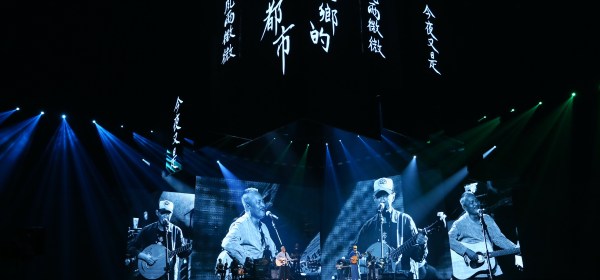
Written by Chen-Yu Lin. 30 years since inception the Awards are still presented by the Ministry of Culture, but have also become a stage where musicians are free to make political statements.
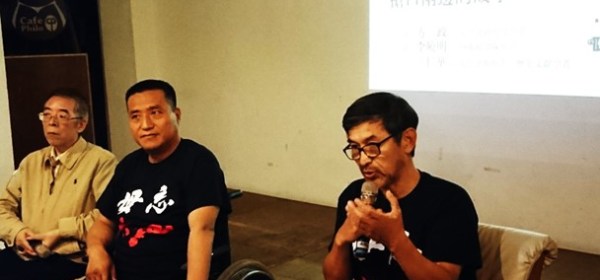
Written by Linda Gail Arrigo. There has been little love lost between the Chinese democracy movement and the Taiwan independence movement. This is, I surmise, unfortunate, because Taiwan is increasingly in danger of takeover by the People’s Republic of China (PRC). Yes, there has been some contact over the decades, but not always friendly.
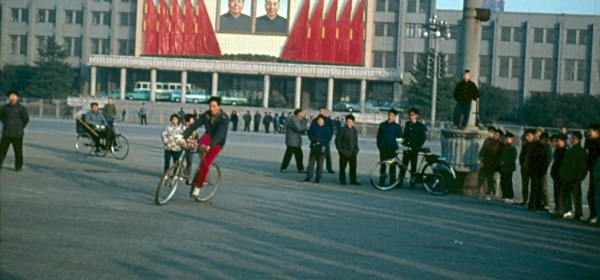
Written by Kuo Jia. Indeed, the left in Taiwan borrows heavily on this knowledge in its analysis of subjects and effects in movements. However, I do not mean that Western Marxism and new social movement theory that developed in Taiwan from the 1990s is always better or more progressive. I am just suggesting that these may inspire or supplement mainland China’s orthodox Marxism for young leftists and their movements.
Written by John F. Copper. But the facts also say that Lee did not adopt a policy of making China a pariah or isolating and punishing China for the events of June 1989. In fact, Taiwan’s relations with China did not get worse; they got better.
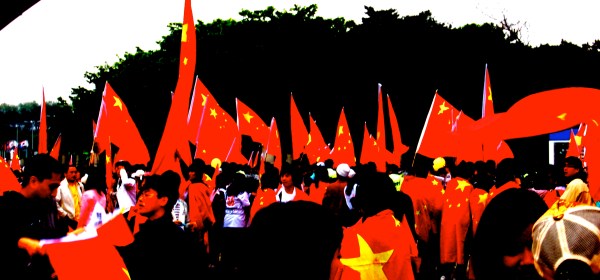
Written by Rowena He. The hijacking of history by the Chinese Communist Party, together with the manipulation of nationalistic sentiments, promotes historical amnesia, fosters a narrow and xenophobic nationalism, impedes reflection on historical tragedies and injustice, and stokes enthusiasm for China’s growing international assertiveness. And such state-sponsored made-in-China nationalism, compounded with the soft power exported through agencies such as Confucius Institutes, has profound implications for the future of China, its relationship with Taiwan, and the world.
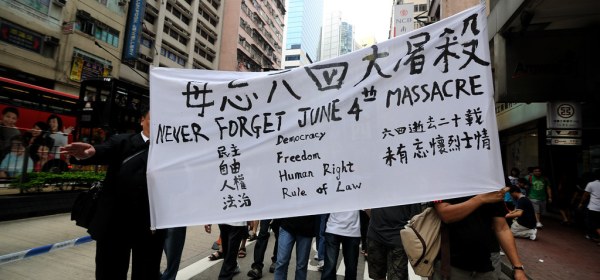
Written by Joseph A. Bosco. The 30th anniversary of the Tiananmen Square massacre reminds us of what remains unchanged in China’s authoritarian government despite decades of Western engagement. The “China dream” espoused by President Xi Jinping is not the same as what the Chinese people dream for their country.
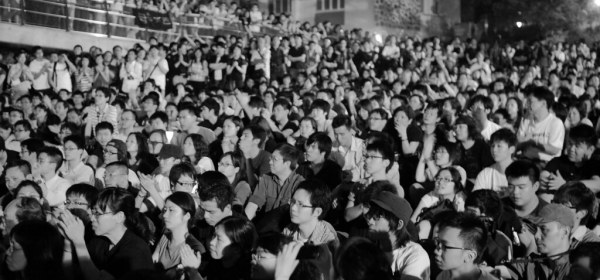
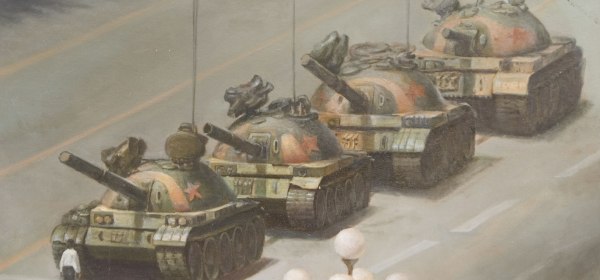
Written by Mark Wenyi Lai. The differences between China’s June Fourth Incident in 1989 and Taiwan’s Wild Lily Student movement in 1990 indicate the cross-Strait increasing divergence of political paths over the past thirty years. The former ended with Type 59 tanks on Tiananmen Square and a more tightened and illiberal CCP governance.
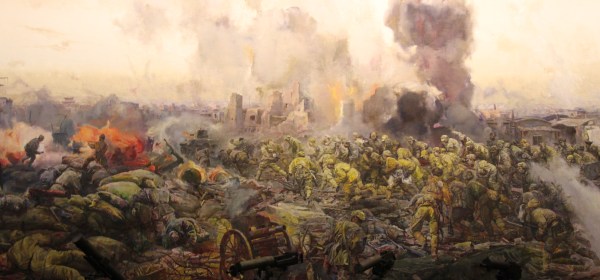
Written by Weiting Guo. While some may think that we have garnered enough fragments of Huang Bamei’s life, one should bear in mind that the richness of her literary representations, together with the scarcity of her appearance in official documents, may have made her disappear inside the conventions of her own stories—a dilemma that often appears in the memories of mythologized figures.

Written by Chao-Hsuan Chen. In the past two decades, a number of researchers have sought to determine how the process of social protest after 1970s became the turning point in Taiwan’s democratization. However, the authoritarian Kuomintang’s (KMT) process of shaping the local electoral system, especially in the 1950s, has seldom been the subject of concern.
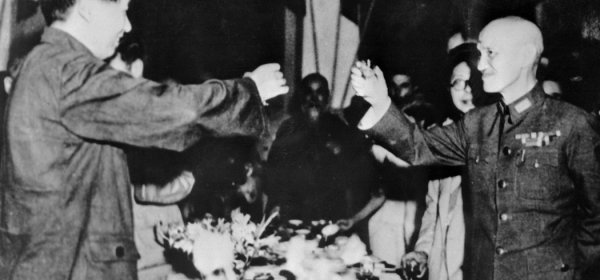
Written by Ko-Hang Liao. Mao could be considered the final winner in the diplomatic arena as the PRC eventually won the competition to be recognised as the legitimate China. However, one thing that was outside of his expectation was that the current status quo across the Taiwan Strait was established after the crisis – after more than 60 years it remains the last large-scale military confrontation between both sides.
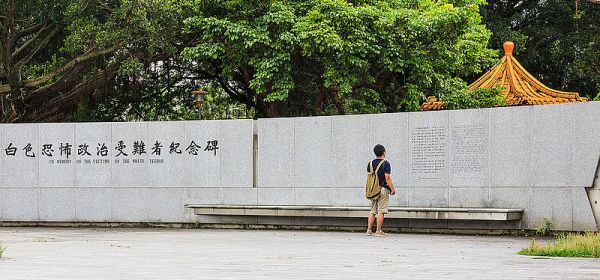
Written by Chih-hen Chang. In May 2018, Taiwan founded the Transitional Justice Commission to address the historical trauma of the White Terror, which refers to the massive suppression of political dissidents from 1949 to 1987 in the name of safeguarding the nation against communist intrusion.
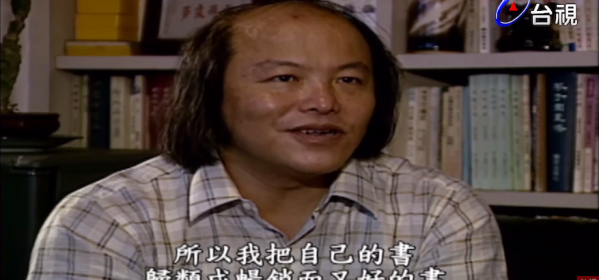
The late Lin Ching-hsuan 林清玄 was a publishing phenomenon, with his books on Buddhism captivating readers in post-martial law Taiwan.
 Taiwan Insight