Civic Efforts Fostering Rule of Law: Judicial Reform Foundation’s 2024 Recap and 2025 Aspirations  

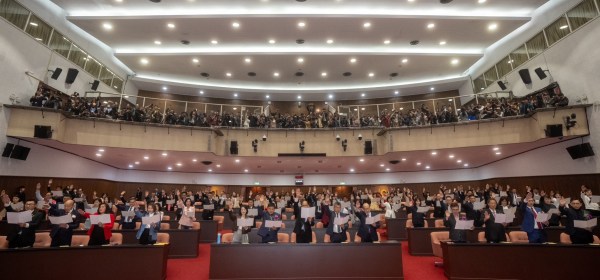
Written by Cheng-Ching Lin and Grace Huang. The Judicial Reform Foundation (JRF) unites dedicated allies from Taiwan’s civil society to advance judicial reform. This article highlights their efforts and achievements in 2024, as well as their outlook for 2025. Despite the challenges posed by political turmoil in parliament, JRF remains committed to fostering public engagement, rebuilding trust in democratic governance, and upholding the rule of law.

Building a Regional NGO Hub in Taiwan

Written by Robert Wang. Over the past two years, with the support of AIT and MOFA as well as local NGOs, a Taiwan NGO alliance has successfully initiated a Fellowship Program to provide training for young NGO activists in the region and to create an NGO support network in Asia. It is important that this program be continued and expanded in order to strengthen civil societies and bolster democracies in the region.

The Smoking Gun of Democratic Backsliding? The 2024 Amendment to the Constitutional Court Procedure Act in Taiwan 

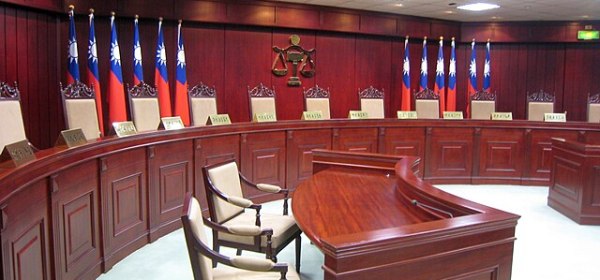
Written by Shih-An Wang. This article examines the 2024 amendment to the Constitutional Court Procedure Act from the perspective of democratic backsliding. The author argues that the amendment demonstrates an alarming political attempt to undermine the Constitutional Court’s integrity and advocates for greater levels of public oversight to halt the derogation of democracy. 

Turmoil at Home for Taiwan in 2024

Written by Dr Chieh-chi HSIEH. This article examines the domestic political turmoil in Taiwan in 2024, including corruption scandals for all three main parties and ongoing confrontation in the Legislature. However, it argues that these challenges have demonstrated the resilience of Taiwan’s democracy based on the evidence of its institutions, leadership and people.

Taiwan’s Internet Governance: A Democratic Framework for Multistakeholder Participation and Global Connectivity 

Written by Anthony Lee. This article explores Taiwan’s Internet governance model, underlining its commitment to democratic principles and multistakeholder participation. Taiwan’s success in this area will depend on confronting challenges such as adapting to emerging technologies, ensuring privacy protection, and navigating geopolitical pressures while upholding democratic values and fostering international partnerships.

Beyond Majority Rule: Indigenous Perspectives on Taiwan’s Legislative Controversies 

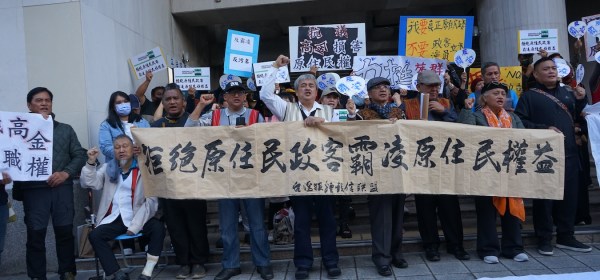
Written by the Taiwan Indigenous Youth Public Participation Association; translated by Yu-Chen Chuang. This article highlights the involvement of Indigenous rights advocacy groups in the Bluebird Movement. They call for Indigenous legislators to prioritise their communities’ rights, foster cross-party collaboration, and address the electoral system’s challenges that hinder effective Indigenous political participation.

Advancing the New Wave of the People Power in Taiwan: Justifying the Bluebird Action 

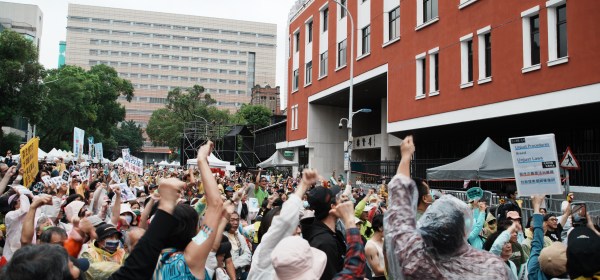
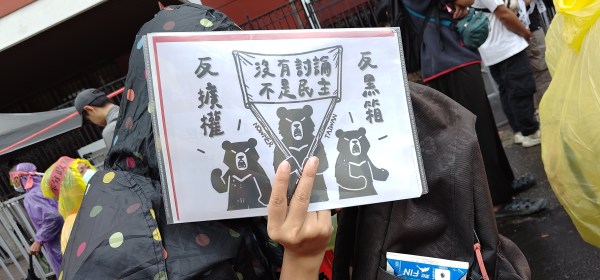
Written by Alan H. Yang. In May 2024, up to 100,000 people protested on Qingdao East Road, Taipei, against amendments to the Act Governing the Legislative Yuan’s Power, arguing these changes could expand legislative authority and undermine democracy. The protests saw significant involvement from the younger generation and led to the “Bluebird Action,” which leveraged digital technology for mobilisation.

1 2 3 4 11