The 2022 Elections in Review: How Taiwan Failed to Adapt Voting for a Pandemic

Written by Kharis Templeman. With its colourful and fiercely contested campaigns, efficient electoral administration, and universal acceptance of the results, Taiwan’s recent local elections were, in most ways, a sign of a vibrant and healthy democracy. But one aspect failed to live up to basic democratic standards: thousands of people were denied the right to vote because they were trapped in mandatory COVID quarantine. After nearly three years of dealing with a global pandemic, Taiwan’s leaders should have been able to find some way to accommodate these citizens, as many other countries around the world have managed to do under much more difficult circumstances. Instead, they ignored the issue, and many Taiwanese were denied the right to vote. Taiwan’s democracy has received much recognition recently for its impressive vitality and resilience. But on voting rights, it is now a laggard. It can and must do better.

Reflections on the 2022 Taiwan Local Elections: Demise of Taiwan Identity Politics?

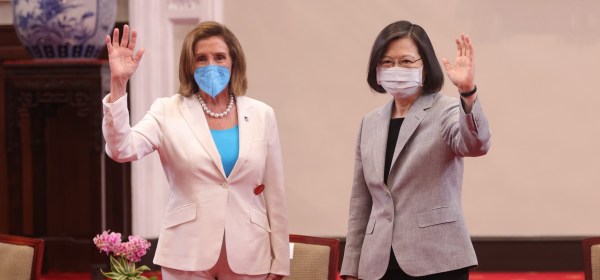
Written by Chia-hung Tsai. From the perspective of identity politics, the 2022 local election results are puzzling. Tsai Ing-wen remains popular, partly because the DPP government successfully contains the Covid-19 pandemic in general while maintaining economic growth. China’s military exercises as revenge for the visit of the US speaker of the House, Nancy Pelosi, seem to drag down Chinese’ image to a lower level. These achievements and events should boost Taiwanese identity and hence favour the DPP candidates. However, the DPP was not credited for the Covid-19 measures, economic growth, and closer relations with the US. Instead, the DPP was criticized for delayed nomination, mismanagement of quarantine policies, and long-standing income inequality. In other words, identity did not play a big part in this election.

‘Ditching the DPP’, ‘Resisting China and Preserving Taiwan’, and Democracy: Interpreting the Results of Local Elections in 2022

Written by Mei-chuan Wei. The election results led many to conclude that Taiwan voters are more concerned about the ruling DPP’s inability to deliver on its promise to create a more just society and less worried about situations in the Taiwan Straits. However, this is misleading if we consider the results of local councils. The seats of local councillors of DPP have increased, while the KMTs have decreased. How, then to interpret the signals sent by the voters as embodied in the election results from the perspective of democracy in Taiwan?

Local elections 2022: The squeezed space for Taiwan’s alternative parties

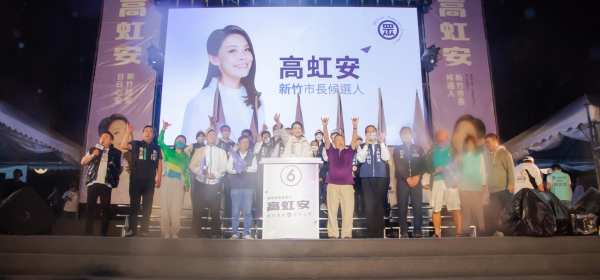
Written by Dafydd Fell. The general picture in 2022 is one of the challenger parties being further squeezed out of the party system. After the two main parties, the third largest party in the 2022 elections was the TPP, winning Hsinchu City mayor and 14 council seats. However, its impact should not be exaggerated. Despite its greater financial resources compared to other small parties, only 14 out of the TPP’s 86 candidates were elected. Given these results, the party may struggle to be competitive in the next round of national elections in 2024.

How did the DPP perform in the local elections?

Written by Jonathan Leung. Less than a week after the 2022 local elections, the mid-terms showed a completely different result than the national election two years ago. With a landslide victory of 8.17 million votes in the 2020 presidential election, the Democratic Progressive Party (DPP) has only received 4.74 million ballots for the mayoral and magistracy elections. Under Tsai Ing-wen’s leadership, the party has received the highest and lowest votes in history in national and local elections.

Taiwan’s mid-term elections: Most politics is local, the KMT remains a force to be reckoned with, and the DPP needs to regroup

Written by Gerrit van der Wees. The main indicator of how well the parties did, was the number of city mayor and county magistrate positions they gained or lost: the ruling DPP went down from their current number of seven positions to five, while the opposition KMT went down from their current number of 14 to 13, with two of the remaining seats going to independents, and one, Hsinchu City, to the Taiwan People’s Party of Taipei mayor Ko Wen-je. In one location, Chiayi City, the election had to be postponed until December 18 because of the death of a mayoral candidate.

Taipei Mayoral Race: For the City or for the Party?

Written by Jonathan Leung. Less than three weeks before the 2022 Taiwanese Local Elections, the limelight is on Taipei City, Taoyuan City, Hsinchu City and Miaoli County. Multiple candidates from different parties running in these constituencies are unprecedented and will surely add uncertainties to the polling results. The first pass-the-post system renders the mayoral campaign a competition between the Chinese Nationalists Party (KMT) and the Democratic Progressive Party (DPP). Yet, the young established New Power Party (NPP) and Taiwan People’s Party (TPP) have both nominated candidates to run for mayoral and magistrate posts and city councillors. Rather than being also-rans, they now stand a decent chance to win. This article examines the case of the Taipei City Mayoral Election, evaluating the differences between the two traditionally dominant parties and the newly established ones.

Taiwan’s 2022 Local Elections: The State of Electoral Campaigns

Written by T.Y. Wang. Taiwan will hold its 2022 local elections on November 26. Dubbed the “9-in-1” elections, voters will select candidates in several races, including mayors of the six special municipalities, 16 county/city magistrates, council members, and heads and representatives of boroughs. Candidates of the ruling Democratic Progressive Party (DPP), the main opposition Nationalist Party (Kuomintang or KMT), and smaller parties, such as the Taiwan People’s Party (TPP) and the New Power Party (NPP), will participate in the elections. The electoral outcomes will have important political implications as they not only determine the fate of candidates running for more than 11,000 positions but also impact the future direction of main political parties, the viability of small parties and the playing field of the country’s 2024 presidential election.

‘Dissertation Gate’, Candidates’ Background and the 2022 Local Elections in Taiwan

Written by Mei-Chuan Wei. The term ‘Dissertation Gate’ has been used by the media and general public to highlight an issue which marked the 2022 local election campaign in Taiwan. It refers to the phenomenon unseen before the mayoral by-election of Kaohsiung City in 2020, when the candidate of the Kuomintang (the KMT) Mei-jhen Li (李眉蓁) was fiercely criticised for plagiarism in her Master’s dissertation. Li publicly apologised for her plagiarism after the university from which she obtained her Master’s decided to revoke her degree. Whether or not plagiarism was the major factor contributing to Li’s failure in the election remains to be proved. Yet negative campaign strategies focusing on candidates’ dissertations, specifically plagiarism, have become increasingly popular among almost all parties since then.

Why Does Education Affect Local Elections in Taiwan?

Written by Yu-tzung Chang. What is more worrisome is that the majority of candidates in this local election have adopted a negative campaign strategy and have not put forward specific policy proposals, which may lead to more confrontation in society in the future. Political polarization has produced a crisis of democracy in Western countries. Traditional political polarization is being replaced by affective polarization, in which partisans are hostile to supporters of other parties and regard them as the main enemy. Taiwan is no exception to these developments. This will have a potentially negative effect on the development of Taiwan’s democracy.

1 4 5 6 7 8 17