Taiwan’s Experience and Global Efforts in Reponse to Covid-19: Towards a Digitalised and Sustainable World

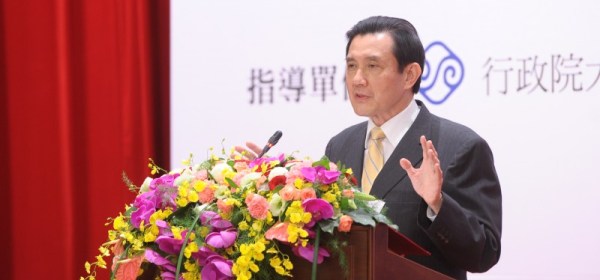
Written by Chih-Wei Chen. In recent decades, the world is facing increasingly severe challenges caused by climate change, natural disasters, worldwide public health issues, and so on. To combat the challenges, the United Nations officially launched Sustainable Development Goals (SDGs) in 2015 and advocated that all countries around the world endeavour to cooperate to achieve the goals. On the other hand, the advent of the digital era and the rapid development of digital technologies, such as big data analytics and artificial intelligence (AI), have provided new opportunities for people to implement sustainable development measures.
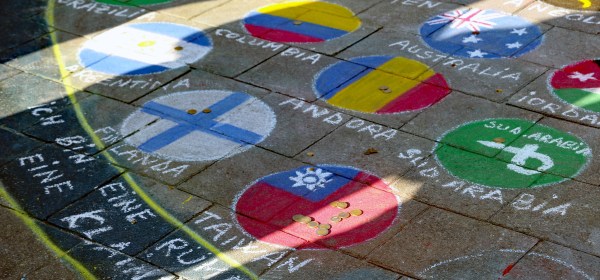
Taiwan and the United Nations: Is the Tide Turning?

Written by Chieh-chi Hsieh. Recent international developments have prompted some to speculate that we are in the midst of a critical juncture for Taiwan’s bid for admission to the United Nations (UN). On the plus side, Taiwan has received considerable international recognition for its successful policy responses toward the COVID-19 pandemic. However, it is arguable that this in itself will increase the odds for its campaign to join the UN.

An Open Letter: 「23.5 million Taiwanese people should be included into the United Nations (UN)」

FROM The Taiwan United Nations Alliance (TAIUNA), The Citizens of Taiwan TO the Honorable Dr. António Guterres, Secretary-General of the UN: For many years since 1972, Taiwan has been and is, once again, knocking on UN’s door seeking membership in this global inter-governmental organization. As part of the greater world population, the 23.5 million people of Taiwan are without representation and have been unjustly excluded since 1971.

The 1992 Consensus and the Future of the Cross-Strait Relationship: Examining the Stakes for Taiwan’s Application for UN Membership

Written by Joshua Bernard B. Espeña and Chelsea Anne A. Uy Bomping. The 1992 Consensus has framed the status quo of the Cross-Strait relationship for decades. However, more recently, rising nationalisms and geopolitical developments have expedited the erosion of the consensus. Moreover, the United States’ (US) commitment to Taiwan is ambiguous, despite the Trump administration adopting a more hardline stance against China. These factors complicate Taiwan’s quest for membership in the United Nations (UN), and add to doubts as to whether the consensus is still a source of stability in the Cross-Strait relationship.

A 2020 Vision for Strategic Clarity on Taiwan

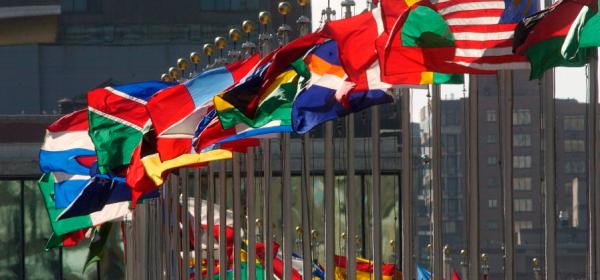
Written by Gerrit van der Wees. As the United Nations General Assembly is preparing to meet in New York for its annual gathering, the international community is facing multiple issues in all parts of the world that need to be resolved. Among all of those issues, there is one burning question: why is a free and democratic Taiwan not part of the gathering? Why is a vibrant democracy being excluded from the international family of nations?

Today Hong Kong, Tomorrow Taiwan”: Taiwan’s Strategic Conundrum

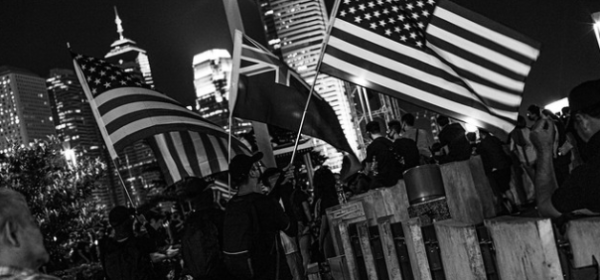
Written by Ferran Perez Mena. During the past year, the Hong Kong protests, along with the newly approved National Security Law, have generated much anxiety in Taiwan. They have been perceived by both the DPP’s political elite and the Taiwanese public as a premonition of what lies ahead for Taiwan. One of the popular slogans of the protests, “Today Hong Kong, Tomorrow Taiwan” (今天的香港,明天的台灣), perfectly epitomises the widespread unease that such political events are producing and the apparent inevitability of Taiwan’s downfall.

China Impact, Income Inequality and Its Discontents in Taiwan

Written by Thung-Hong Lin. In March 2014, the Sunflower Movement, a student-led protest to oppose the Cross-Strait Service Trade Agreement (CSSTA), shocked the Taiwanese public. For 24 days (March 18–April 10, 2014), Taiwan’s legislature was paralysed by protesters occupying the chamber, nearby roads and surrounding alleys, which prevented their eviction by police. The protesters claimed that the CSSTA would favour large companies investing in China, damage local small and medium-scale enterprises’ (SMEs) business and have a devaluing effect on local labour’s wages.

Moving Toward a More Inclusive Society: The Educational Policy of New Immigrant Children in Taiwan

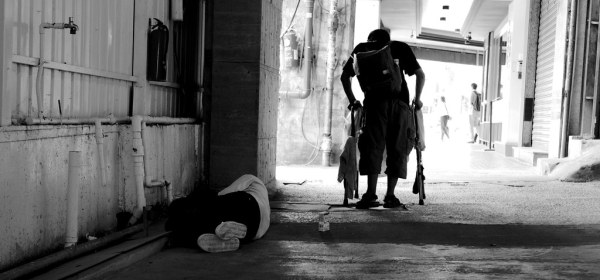
Written by Dorothy I-ru Chen. Ethnocentrism is often found in a highly homogenous society like Taiwan. There have been stereotypes and bias against new immigrant children over the years. Studies conducted in the early days suggested that these children’s academic achievements were lagging. Moreover, these studies failed to recognise the problem may lie within schools which are not capable of meeting the needs of children from diverse cultural backgrounds.

Crossing Paths: How Should Taiwan Approach India?

Written by Wei Azim Hung. The series of border skirmishes between India and China that began in early May this year have prompted a wave of anti-China sentiment across the subcontinent. India’s Prime Minister Narendra Modi has struck a particularly aggressive tone by saying “the age of expansionism is over” and “peace is not won by weakness” , while being mindful of the need to save his Chinese counterpart face by not indulging in overly bellicose or provocative rhetoric. Interestingly, this is not the first time India and China have engaged in border hostilities, nor is it the most bloody conflict.

“Always in my Heart”: Lee Teng-hui’s Life in 10 Quotes

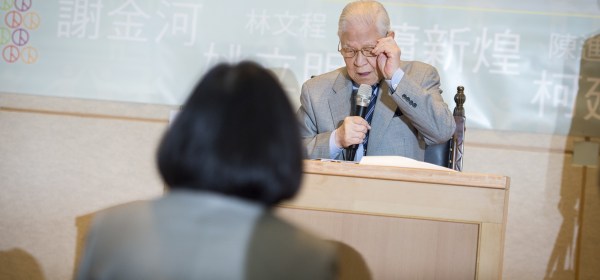
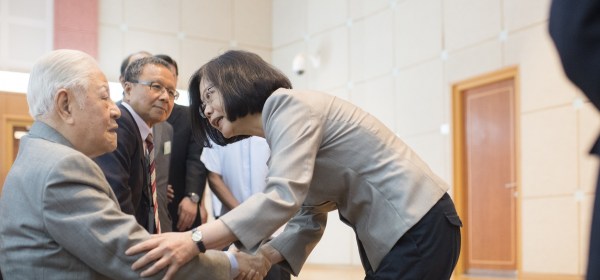
Written by Denis Li, translated by Corey Lee Bell. Lee Teng-hui, Taiwan’s first democratically elected president, played a key role in the country’s journey from authoritarianism to democracy. In 12 years as president, he made six amendments to the constitution, earning him an indelible place in the history of Taiwan. The News Lens has compiled 10 of Lee’s quotes from lectures and interviews, which reflect his perspective on Taiwanese politics and cross-strait relations, as well as the expectations he harbored for himself as a political figure.

How Taiwan Wins the Hearts of Southeast Asian States

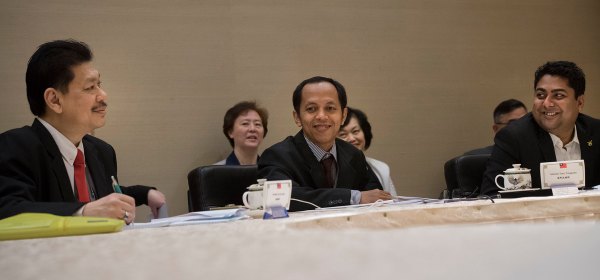
Written by Ratih Kabinawa and Jie Chen. President Lee Teng-hui transformed ROC Taiwan’s foreign policy from a rigid “man and bandits don’t co-exist” mindset, a dictum which defined the Chiangs’ era, to one focusing on pragmatic diplomacy. This stance emphasised flexible ways to promote Taiwan’s international standing as its own legitimate sovereign state. President Lee used Taiwan’s achievement as a new democracy with impressive economic and technological prowess to win fresh international sympathy and support.

Is the best friend of Taiwan in Europe the Czech Republic?

Written by Richard Q. Turcsanyi. Perhaps in the clearest form, the Czech Republic symbolises contradictory attitudes towards Beijing and Taipei found in former Communist countries in Central and Eastern Europe (CEE). While for part of the society Taiwan symbolises own rejection of Communist past and sympathy towards humanistic ideals, others are not willing to endanger promises of benefits (real or imaginary) of pragmatic developing relations with China.

1 37 38 39 40 41 61