The Fall of Evergrande: A Case Study of China’s Financial Turmoil in 2022 and the Implication to China-Bound International Capital in 2023 and Beyond

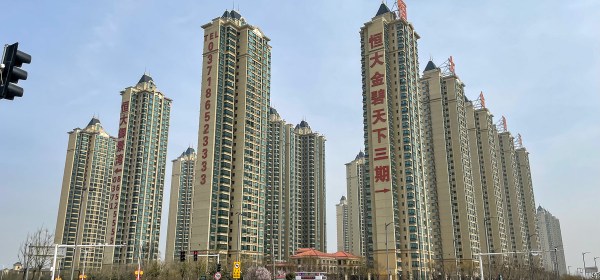
Written by Daniel Jia. In late 2021, international investors felt a real chill from China: China’s real estate giant, China Evergrande Group, defaulted on interest payments on US$1.2B offshore bonds. The Evergrande trouble was shocking, but it was only the tip of a monstrous China iceberg, toward which the Titanic of international investors are headed. What would follow in 2023 and beyond? Is Taiwan prepared?

Taiwan’s mid-term elections: Most politics is local, the KMT remains a force to be reckoned with, and the DPP needs to regroup

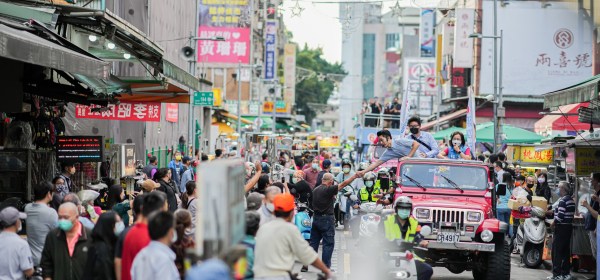
Written by Gerrit van der Wees. The main indicator of how well the parties did, was the number of city mayor and county magistrate positions they gained or lost: the ruling DPP went down from their current number of seven positions to five, while the opposition KMT went down from their current number of 14 to 13, with two of the remaining seats going to independents, and one, Hsinchu City, to the Taiwan People’s Party of Taipei mayor Ko Wen-je. In one location, Chiayi City, the election had to be postponed until December 18 because of the death of a mayoral candidate.

After China’s 20th Party Congress, How Could Cross-Strait Relations Go?

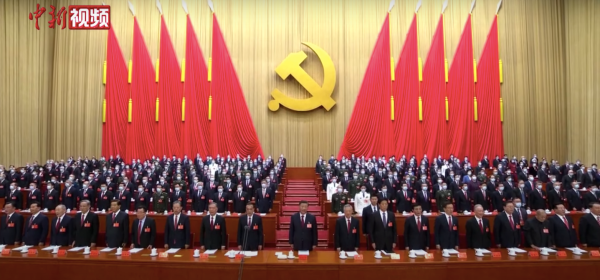
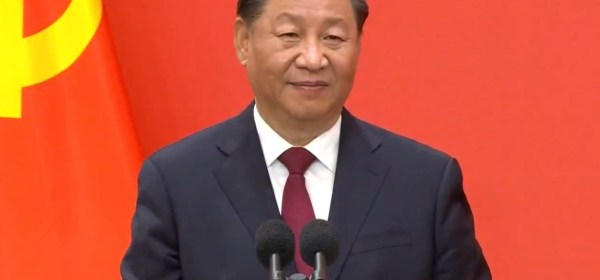
Written by Huynh Tam Sang and Shaoyun Lin. After the controversial visit of U.S. House Speaker Nancy Pelosi to Taipei in August, the relationship between Taiwan and China went downhill to a political deadlock. Dialogues and negotiations have been absent, and the possibility of breaking the ice in the stalemate is uncertain. Following the 20th National Congress of the Chinese Communist Party (CCP), which marked a milestone for Xi Jinping’s third term as China’s most powerful leader, the forthcoming trajectory of China-Taiwan relations should be read with a thorough assessment.

Semiconductor industry: a shield to Taiwan or the source of insecurity?

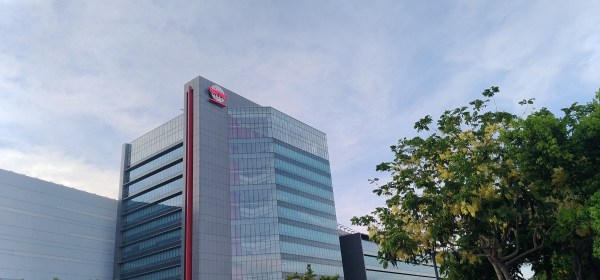
Written by Guo-Huei Chen and Ming-En Hsiao. That is why Taiwan’s semiconductor industry is a key element in the strategic competition between the United States and China in science and technology. Losing Taiwan is equivalent to losing the power to speak in future innovative technology. Neither the United States nor China can afford the consequences of losing Taiwan’s semiconductors.

The gulf that separates Taiwan and China is getting wider (1)

Written by Daniel Jia. The question, then, is why the CCP’s “reunification” agenda faces increasing resistance from Taiwan? The answers are in Xi’s Report and will be even more obvious compared to another speech given by Taiwan’s President Tsai Ing-wen a week earlier at a National Day ceremony on October 10. The following are six takeaways from Xi’s Report that merit a close examination.

Taiwan’s 2022 Local Elections: The State of Electoral Campaigns

Written by T.Y. Wang. Taiwan will hold its 2022 local elections on November 26. Dubbed the “9-in-1” elections, voters will select candidates in several races, including mayors of the six special municipalities, 16 county/city magistrates, council members, and heads and representatives of boroughs. Candidates of the ruling Democratic Progressive Party (DPP), the main opposition Nationalist Party (Kuomintang or KMT), and smaller parties, such as the Taiwan People’s Party (TPP) and the New Power Party (NPP), will participate in the elections. The electoral outcomes will have important political implications as they not only determine the fate of candidates running for more than 11,000 positions but also impact the future direction of main political parties, the viability of small parties and the playing field of the country’s 2024 presidential election.

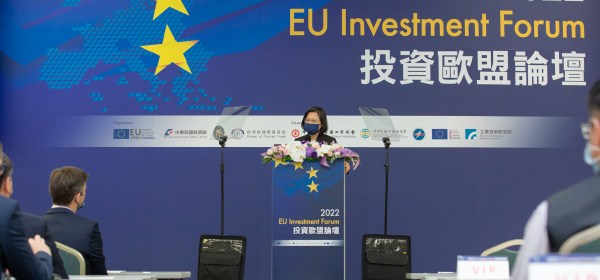
How Europe looks at Taiwan – and how Taiwan fails to send out a clear message

Written by Gunter Schubert. The Taiwanese people and their political representatives must decide if they want to forge a national consensus on their relationship with China and communicate this clearly in Europe and beyond – or if they would rather prefer to adhere to an unclarified stance on their national identity and the concept of ‘unification’, giving in to uncompromising viewpoints and undermining any chances as gaining the lasting support of the countries that cherish democracy and admire their struggle for survival.

Is Taiwan Ready to Defend Itself against China’s Invasion?

Written by Daniel Jia. Since Tsai Ing-wen of the Democratic Progressive Party (DPP) took office as President of Taiwan in 2016, China is becoming more hostile than ever toward the self-ruled democratic island. As China sees its chance of “reunification” with Taiwan through mutual consent is diminishing, taking Taiwan by force becomes China’s only option. The matter of China’s invasion is evolving from the “if” in the past to the “when” today. And it could happen sooner than any rational calculation would have predicted.

Biden Speaks Again: The End of Strategic Ambiguity?

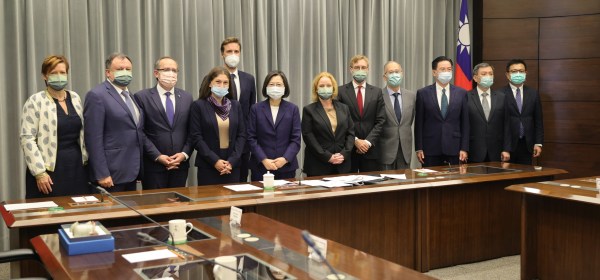
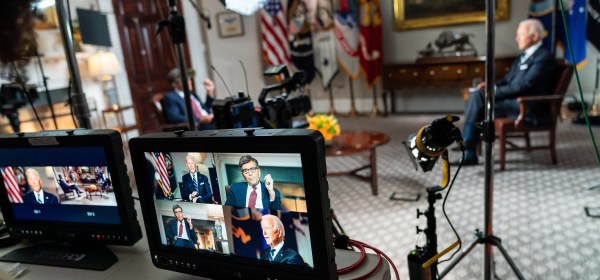
Written by Gerrit van der Wees. The press and think tanks, on their part, need to reassess their understanding of “strategic ambiguity”: they need to come to a clearer understanding of its origins – as reiterated in the quotes from former NSC Director Robert Suettinger’s book – and arrive at the unavoidable conclusion that it does not equate policy. Rather, it is, at best, a mode of operation determining how to calibrate a response. As described above, the policy itself on how to (help) defend Taiwan is laid down clearly in the Taiwan Relations Act.

1 4 5 6 7 8 28