
Written by Brian Hioe. This article compares the Bluebird Movement to the 2014 Sunflower Movement, emphasizing how both large-scale protests were fundamentally driven by concerns over China’s influence rather than purely about domestic issues.
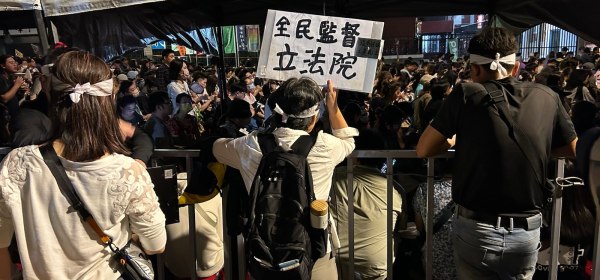
Written by Brian Hioe. This article compares the Bluebird Movement to the 2014 Sunflower Movement, emphasizing how both large-scale protests were fundamentally driven by concerns over China’s influence rather than purely about domestic issues.
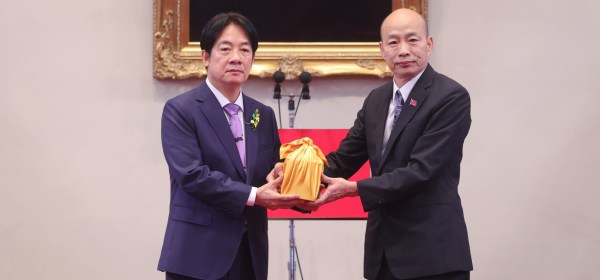
Written by Gunter Schubert. On May 20, Lai Ching-te became the fifth popularly elected president of the Republic of China, facing numerous challenges as Taiwan’s legislature’s lack of compromise hampers effective policymaking and risks paralysis. This article emphasizes the need for a culture of compromise and responsible political competition in Taiwan’s democracy.

Written by Ian Murphy. This article critically examines infrastructure warfare and its application to the China-Taiwan conflict. Particularly, China’s development of the China-Kinmen water pipeline and the proposed Kinmen-Xiamen Bridge project raise concerns about its use of infrastructure as a tool of political coercion.
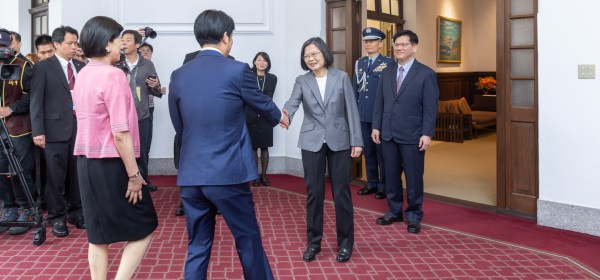
Written by Dr Chieh-chi HSIEH. Based on President Lai Ching-Te’s inaugural speech, this article argues that Lai is likely to adopt a ‘passive responsiveness’ approach when engaging with the Chinese government in the next four years. This is a continuation of President Tsai’s strategy on cross-strait relations, only responding firmly when the circumstances are pertinent.
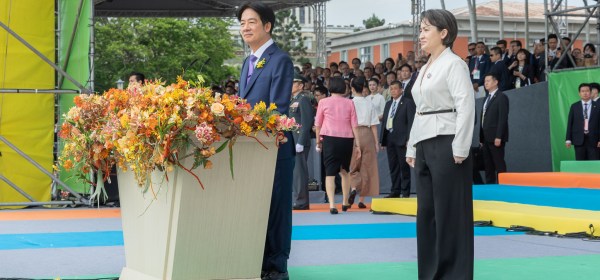
Written by Chieh-Ting Yeh. This article analyses the fallacy logic of the narratives of international media on Taiwan-China relations, placing the onus on Taiwan to soothe China and avoid provocation. Democratic societies, it argues, should not let Beijing to have the power to unilaterally and arbitrarily impose red lines on Taiwan.

Written by Zhekai Li. This article analyses China’s naval expansion in the backdrop of President Lai’s inauguration. The author argues that the launch of China’s third aircraft carrier signifies a significant expansion of its naval capabilities and poses new challenge to the balance of power in the Taiwan Strait. The future of Taiwan rests on restraint by all parties more than ever.

Written by Raian Hossain. This article analyses President Lai’s speech from geopolitical and domestic perspectives, focusing on democracy as a roadmap for Taiwan, Lai’s vision for cross-Strait relations and domestic agendas for Taiwan. It concludes that despite being bolder than Tsai in 2016, the speech was very status quo-maintained driven.
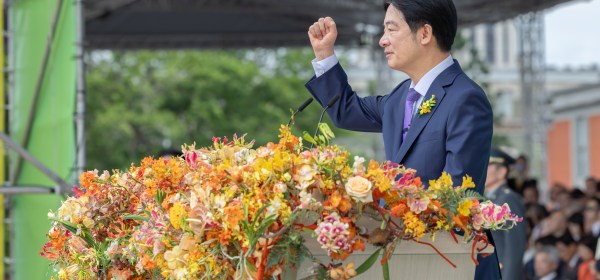
Written by Huynh Tam Sang. This article reviews President Lai address’ focus on peace and democracy amidst multiple challenges facing the new president. In particular, the lack of majority in the Legislative Yuan could proved to be a barrier to unity in terms of domestic reforms and foreign policy. His experience and statecraft is demanded to navigate the early days of the administration.
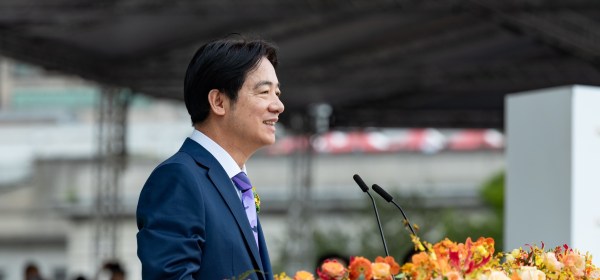
Written by Brian Hioe. This article analyses the continuities of President Lai’s inaugural address both in terms of cross-Strait relations and domestic policies. The status quo, however, could potentially challenged by the uncertainties ahead, including the US presidential election in November and the growing political storm domestically.
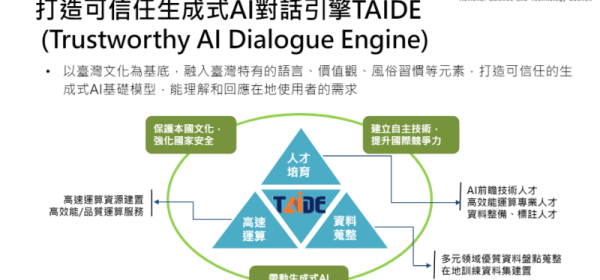
Written by Ian Murphy. This article introduces TAIDE, the Trustworthy AI Dialogue Engine. TAIDE is Taiwan’s domestic project to build a large language model. It examines how, by investing in AI technology, Taiwan is not only aiming to reduce its reliance on external sources but also to protect itself from potential threats, particularly from China.
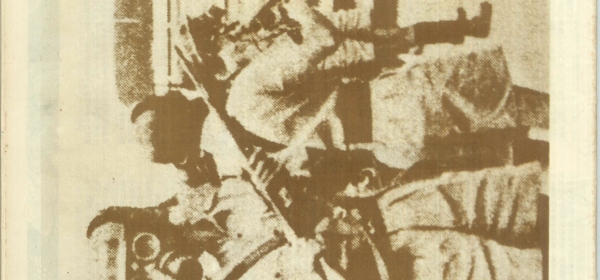
Written by Alex Yong Kang Chow. This article offers insights into the anti-imperial struggles of the Taiwanese and Hong Kong diasporas through the book Island X. This article contextualises the diaspora experiences historically through Cold War geopolitics and left-leaning activism since the 1970s.
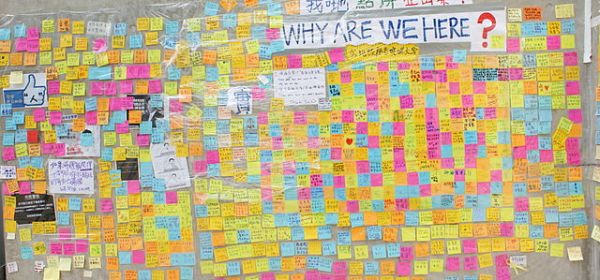
Written by Malte Philipp Kaeding. This article argues for the important identity-formation process of the Umbrella movement and beyond in Hong Kong, asking the question of what is Hong Kong and what does it mean to be a Hongkonger. This process was inspired by the Sunflower Movement and the Taiwanese success in building a unique identity vis-a-vis China.
 Taiwan Insight