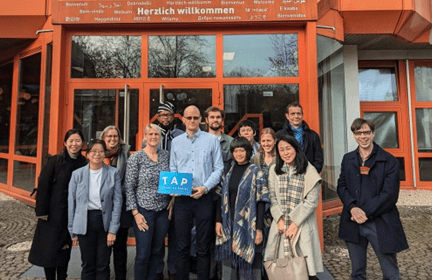
“Mapping Taiwan Teaching” at Trier University: Teaching Taiwan in Script, Speech, and Performance

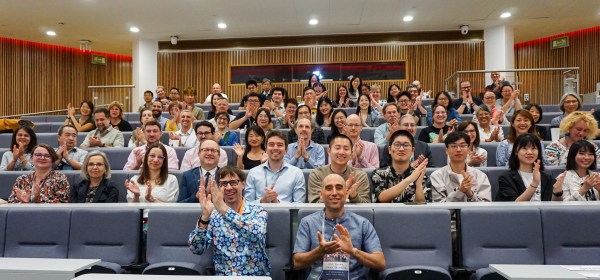
Written by Thomas Fliß. This article introduces the workshop “Mapping Taiwan Teaching – Teaching Taiwan in Script, Speech and Performance” at Trier University, which focused on teaching Taiwan through language, culture, and performance. Scholars and educators explored Taiwan’s geopolitical significance, linguistic diversity, and cultural identity. The event featured interdisciplinary panels on Taiwan’s literature, theatre, and education, highlighting the need for expanded Taiwanese language courses and intercultural learning methods.

Reimagining Education: The Shift Towards Southeast Asian Students in Taiwan’s Universities

Written by Chia-Yuan Huang. This article reviews the shift of the origins of international students in higher education in Taiwan from mainland China to Southeast Asian nations such as Vietnam, Indonesia and Malaysia in the past few years. This could be attributed to the New Southbound Policy of the Tsai Ing-wen’s administration. This trend calls for more targeted admission policies and internships and job opportunities.

Indigenous Sovereignty Under Threat: The Fight Against Recent Legislative Setbacks in Taiwan 

Written by Indigenous Youth Front. This article examines the 2024 amendment to the Organization Act of the Council of Indigenous Peoples. It places this controversial amendment within the broader context of the long-term marginalisation of Indigenous peoples in political participation and advocates for actions that uphold genuine Indigenous self-determination.

Civic Efforts Fostering Rule of Law: Judicial Reform Foundation’s 2024 Recap and 2025 Aspirations  

Written by Cheng-Ching Lin and Grace Huang. The Judicial Reform Foundation (JRF) unites dedicated allies from Taiwan’s civil society to advance judicial reform. This article highlights their efforts and achievements in 2024, as well as their outlook for 2025. Despite the challenges posed by political turmoil in parliament, JRF remains committed to fostering public engagement, rebuilding trust in democratic governance, and upholding the rule of law.

Building a Regional NGO Hub in Taiwan

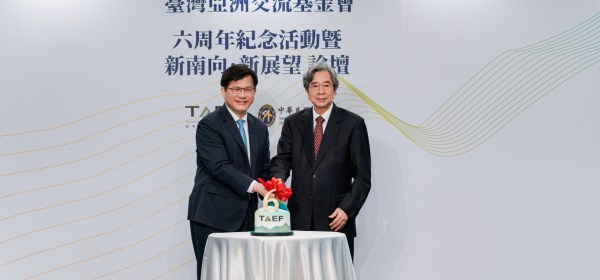
Written by Robert Wang. Over the past two years, with the support of AIT and MOFA as well as local NGOs, a Taiwan NGO alliance has successfully initiated a Fellowship Program to provide training for young NGO activists in the region and to create an NGO support network in Asia. It is important that this program be continued and expanded in order to strengthen civil societies and bolster democracies in the region.

The Smoking Gun of Democratic Backsliding? The 2024 Amendment to the Constitutional Court Procedure Act in Taiwan 

Written by Shih-An Wang. This article examines the 2024 amendment to the Constitutional Court Procedure Act from the perspective of democratic backsliding. The author argues that the amendment demonstrates an alarming political attempt to undermine the Constitutional Court’s integrity and advocates for greater levels of public oversight to halt the derogation of democracy. 

Making History but Not as One Chooses: The Trump Administration and Challenges for US Taiwan Policy in an Era of Difficult Deterrence

Written by Jacques deLisle. Amidst the focus on potential radical impact under the second Trump administration, this article examines some fundamental trends and challenges in US-Taiwan relations and US-China-Taiwan dynamics. The longstanding US policy of strategic ambiguity is becoming increasingly harder to hold and Taiwan’s capacity to navigate is waning. 

Turmoil at Home for Taiwan in 2024

Written by Dr Chieh-chi HSIEH. This article examines the domestic political turmoil in Taiwan in 2024, including corruption scandals for all three main parties and ongoing confrontation in the Legislature. However, it argues that these challenges have demonstrated the resilience of Taiwan’s democracy based on the evidence of its institutions, leadership and people.

Taiwan in 2024: Geopolitical Uncertainties

Written by Dr Chieh-chi HSIEH. This article argues that the path dependencies of the Taiwanese, US, Japanese, and South Korean governments encountered a change of political leadership in 2024, which created some uncertainties for Taiwan in 2025. They are compounded by the conservative stance of President Lai Ching-te towards President Trump since the latter’s election.

1 8 9 10 11 12 93