Semiconductor and Renewable Energy: Taiwan-Vietnam Cooperation under New Leadership

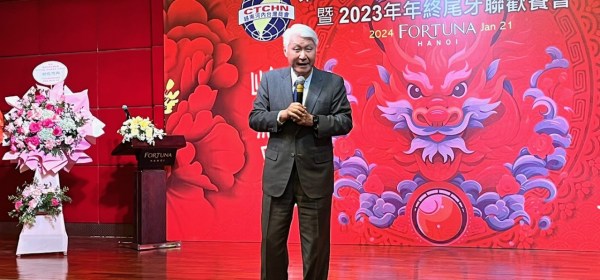
Written by Tran Thi Mong Tuyen. Since the 1990s, Taiwan’s government has championed the “Go South” and “New Southbound” policies, catalyzing Taiwanese entrepreneurship across the Association of Southeast Asian Nations (ASEAN). Vietnam, boasting a stable economy, ample labour force, a youthful demographic, and rich natural resources, has emerged as a prime destination. This article focuses on the recent cooperation between Taiwan and Vietnam in different industries, and proposes potential future collaborative opportunities between the two.

Taiwan’s Inevitable Internationalisation in 2024

Written by Zsuzsa Anna Ferenczy. In 2023, Taiwan continued to present itself as a democracy internationally through subnational diplomacy. As it elected a new president and a new parliament in the new year, this article anlayses how the dynamics of cross-Strait relations are driving the internationalisation of Taiwan. It is expected that the two sides are likely to drift further apart in the coming years and this will further strengthen Taiwan’s identity as a democracy.

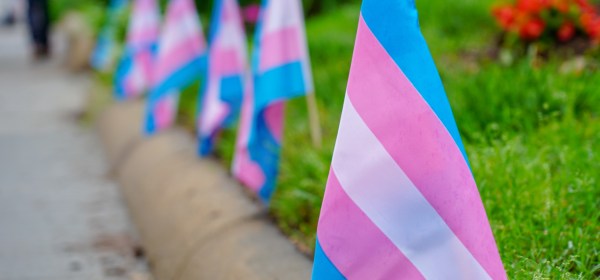
How Will 2023 Gains in Transgender Rights Fair after the 2024 Elections?

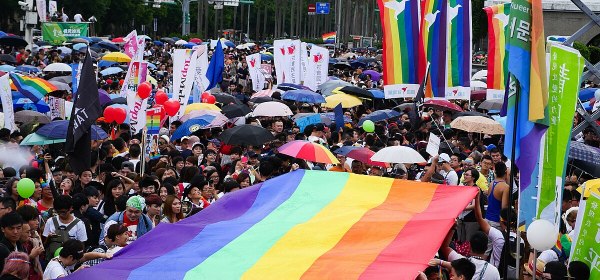
Written by Yo-Ling Chen. 2023 was a big year for Taiwan’s transgender rights movement. This article traces important legal cases regarding transgender rights in 2023, and explores how the growing public visibility of transgender issues and legal consensus around the need to abolish compulsory surgery for changing one’s legal gender play in the aftermath of the 2024 elections.

Taiwan’s Trade Dynamics in 2023: Challenges and Partners Shifting 

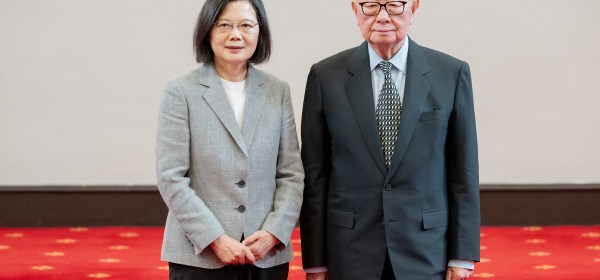
Written by Yun-Chieh Wang. In 2023, Taiwan’s international trade experienced a decline in growth because of global economic challenges, with a notable dependency on semiconductor exports. Despite this downturn, Taiwan’s trade gap widened positively, attributed to the reshoring of Taiwanese enterprises, and increasing foreign investment. Meanwhile, the Taiwanese government is actively diversifying its trade partners, reducing its reliance on China and forging ties with the U.S. and U.K. through trade agreements.

Envisioning Migrant Worker Policy: Toward Dignity and Well-being 

Written by Hang-Tang Chen; translated by Yu-Chen Chuang. Taiwan needs to refine its migrant worker policies to focus not only on labour contributions but also on the well-being and dignity of the workers. Personal stories of migrant workers in this article reveal the necessity for comprehensive policies that address the physical and mental health needs, acknowledging the humanity behind the workforce.

Where’s Post-Election Taiwan Heading?

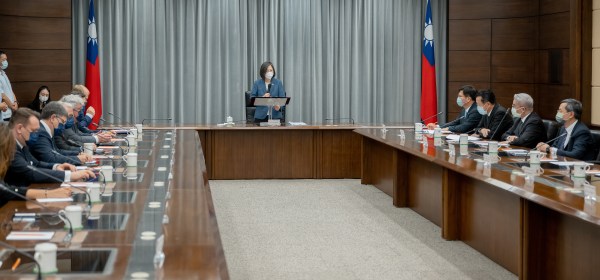
Written by Plamen Tonchev. The presidential and parliamentary elections held in Taiwan on 13 January 2024 were closely watched globally, as their potential implications could reverberate far beyond the island’s shores. Two oft-quoted arguments relate to the fact that Taiwan is home to a huge chunk of the world’s cutting-edge semiconductors, and the volume of maritime traffic through the 110-mile-wide strip of water between the Chinese mainland and the self-governed island. Add to that the political significance of Taiwan’s subjugation to Beijing’s “national rejuvenation” vision, as well as the geostrategic importance of the first-island chain to the entire Indo-Pacific region.

Taiwan’s 2024 Elections: How will China Respond?

Written by T.Y. Wang. Lai’s victory, nevertheless, is a rebuke to Beijing’s sovereignty claim of the island and a hard pill for Chinese leaders to swallow. In the aftermath of the election, observers are pondering how Beijing will react to Taiwan’s electoral outcomes. Chinese leaders view Lai as a “separatist,” and his affiliated DPP is a secessionist political party. A win by Lai, in their mind, means Taipei will continue its policy of pursuing Taiwan independence in spite of Lai’s pledge to continue the incumbent President Tsai Ing-wen’s policy of maintaining the status quo. Prior to the election, Beijing had magnified a “war and peace” narrative, intensified its military and economic pressure on Taiwan and warned the island citizens to make a “correct choice” in the elections.

Beyond Mayday’s Lip-synching Investigation: Taiwan’s Music Freedom Questioned Under PRC Influences 

Written by Chen-yu Lin. On December 28, 2023, Reuters and CNN​ reported a disconcerting incident involving Mayday, a Taiwanese rock band, who found themselves entangled in a request from Chinese authorities to make pro-Beijing statements. As reported by CNN, the authorities demanded a public statement affirming the unity of China and Taiwan as a single nation. The band’s refusal to comply resulted in consequences related to alleged lip-synching, which is referred to as “deceptive singing (假唱)” in Chinese. This accusation carries the potential for fines or even performance bans under Chinese law. These developments stemmed from their December concert in Shanghai and are potentially connected to Taiwan’s presidential election in January 2024, prompting an ongoing investigation.​ 

1 16 17 18 19 20 93