
Written by Brian Hioe. US PRESIDENT DONALD TRUMP alarmed earlier this month after comments suggesting that he would decide whether to suspend arms sales to Taiwan after meeting with Chinese President Xi Jinping in April.
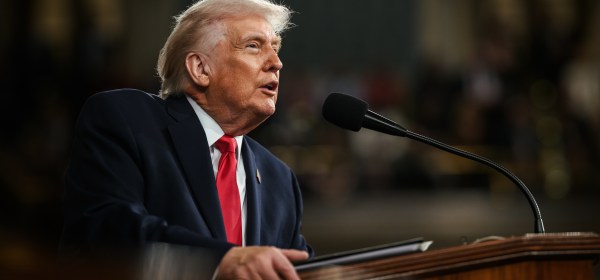
Written by Brian Hioe. US PRESIDENT DONALD TRUMP alarmed earlier this month after comments suggesting that he would decide whether to suspend arms sales to Taiwan after meeting with Chinese President Xi Jinping in April.
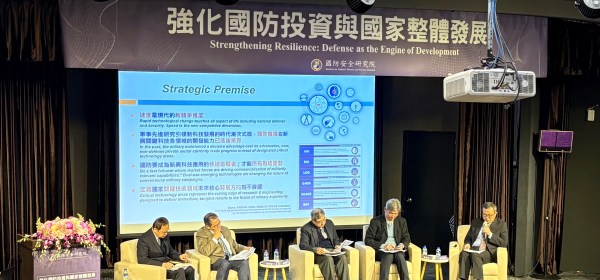
Written by Domingo I-Kwei Yang and Chan-Hsi Wang. This article argues that a new trend is emerging in Taiwan’s debate over defence spending, elevating the economic logic behind defence investment. It identifies the shift from fiscal burden to strategic investment, from buyer to co-production partner with the US and “peace through strength” as an economic strategy that fuses military readiness with an economic agenda.
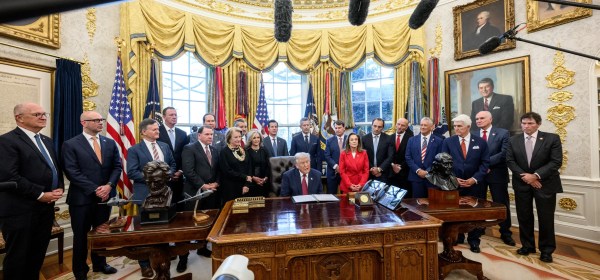
Written by Baosheng Guo. This article highlights four contradictions in the US’s 2025 National Security Strategy, including the tension between defending Taiwan and the Retrenchment strategy toward China, burden-sharing exceeding allies’ tolerance, aligning allies’ actions with US interests, and maintaining American soft power while abandoning Taiwan’s democratic values.
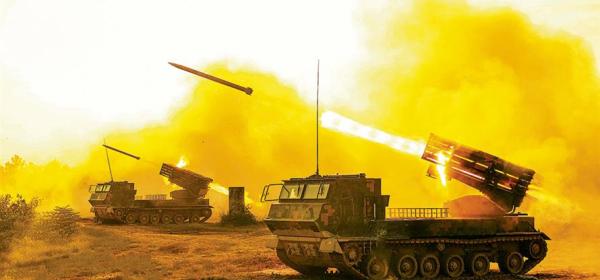
Written by Shen Ming Shih. This article describes that China’s late-2025 “Justice Mission” exercise around Taiwan functioned more as political signalling than as a credible rehearsal for war. Despite the expanded scale and proximity, the drills exposed operational constraints, ineffective cognitive warfare, and diminished deterrent value while further internationalising the Taiwan Strait and underscoring Taiwan’s readiness.

This article examines whether Taiwan’s record NT$1.25 trillion defence package in 2025 strengthens deterrence or unintentionally accelerates strategic and demographic risk. The piece argues that both major parties rely on the same unspoken assumption that the United States will intervene decisively. It proposes a viable third path that balances readiness with societal resilience.

Written by Chieh-Ting Yeh. This article reviews an eventful year of 2025 in Taiwan-US relations. Defence and trade continue to be the most important issues of the bilateral relationship under the Trump administration. It argues that the narrative surrounding it is fundamentally reactive and does not inspire hope or action. We need a more robust, imaginative, positive, optimistic, uplifting, inspiring, forward-looking, and hopeful narrative for US-Taiwan relations.
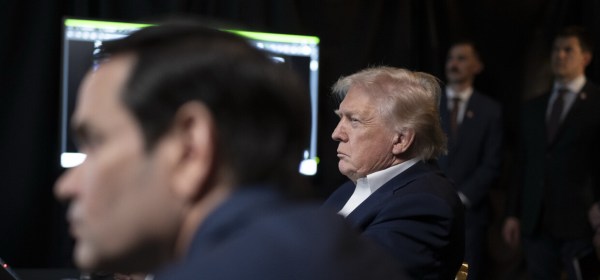
Written by Gerrit van der Wees. This article suggests that Taiwan-US relations in 2025 were turbulent. The year was marked by contradictory presidential statements, unprecedented congressional activism, and the codification of Taiwan’s strategic importance in U.S. defence and security planning. The latest PLA military exercise indicates that 2026 will be even more turbulent.
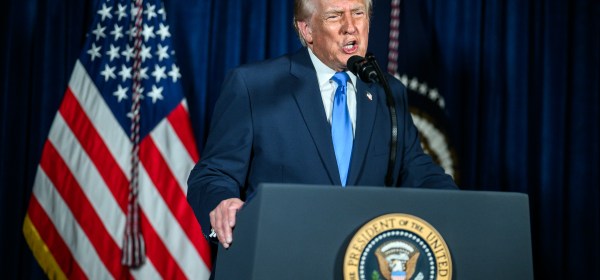
Written by Baosheng Guo. This article analyses Taiwan’s options in the face of Trump’s uncertain and unpredictable Taiwan policy. It suggests that Taiwan should urge the US to provide strategic clarity and strengthen its relationship with Europe. Taiwan should also weaponise the interdependence of its semiconductor industry with the US and prepare to restart its research and development of nuclear weapons.

Written by Laura Bonsaver. This article proposes that Europe should move beyond threat-centric framings of Taiwan and recognise it as an innovative, democratic, and technologically advanced partner. It recommends de-hyphenating Taiwan from militaristic narratives, normalising its role in Indo-Pacific strategies, and reframing Europe-Taiwan relations as mutually beneficial collaborations rather than dependency or crisis management.
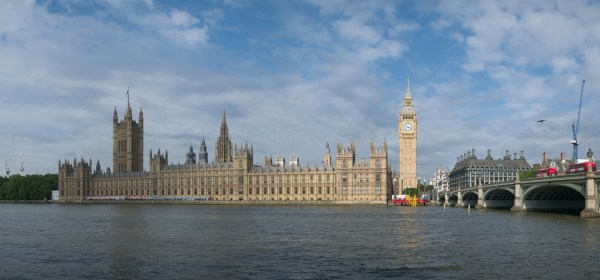
Written by Alexandra Whitehead. This article asks what the China spy scandal in the UK means for Taiwan and analyses both its opportunities and risks, including the need to reassess its relations with Beijing and to clarify its legal framework to match its political rhetoric. Putting them together, the case is unlikely to drastically change the course of UK-Taiwan relations.
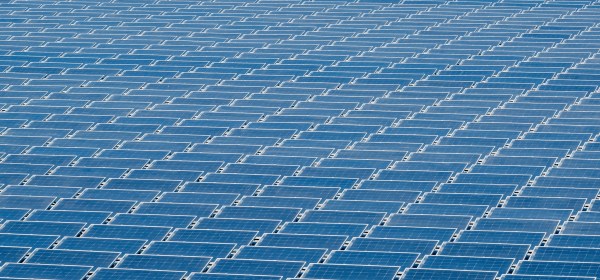
Written by Ashley Cheng. This article argues that Taiwan’s current energy trajectory is incompatible with its high-tech goals. Unless Taiwan vigorously accelerates its clean energy transition, it risks energy bottlenecks that could impact not just its climate crisis but also threaten both its national security and economic competitiveness.
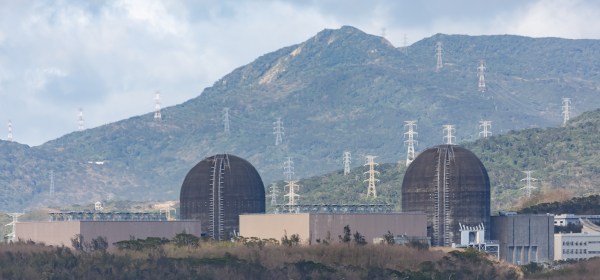
Written by Lena McEachern. This article argues that Taiwan should reinvest in nuclear energy for its energy security in the current geopolitical climate. It is also a relatively environmentally clean energy source. Although the referendum to open Maanshan reactor did not reach the legal threshold necessary to pass, the DPP should build momentum towards restarting decommissioned reactors.
 Taiwan Insight