
Written by Timothy Rich and Jessica Kiehnau. What do Taiwanese citizens consider sexual harassment? What constitutes sexual harassment is often unclear and inconsistent both across cultures and across generations.
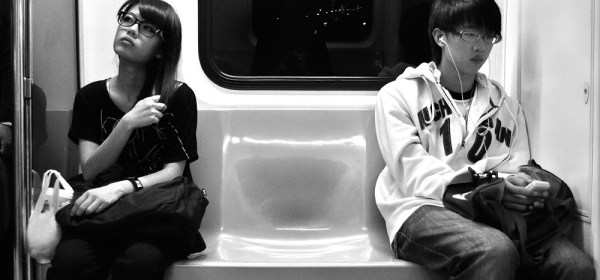
Written by Timothy Rich and Jessica Kiehnau. What do Taiwanese citizens consider sexual harassment? What constitutes sexual harassment is often unclear and inconsistent both across cultures and across generations.
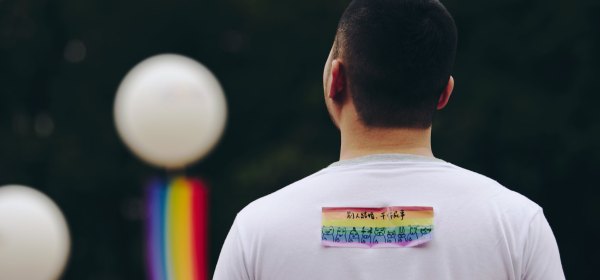
Written by Mei-Nu Yu and Yiching Yang. We passed the law on 17 May – the International Day Against Homophobia. Taiwan has proven that we are a country supporting diversity and gender equality, and we are now the first country in Asia to legalise same-sex marriage.

Written by Benedict Rogers. On Radio Taiwan International I was asked if Xi’s China is night and Taiwan is day, what is Hong Kong? “Dusk”, I replied. I can only hope that the sun will rise again in Hong Kong, that daylight will emerge in mainland China, and that all of us who cherish freedom and democracy will defend Taiwan.

Written by Evan Fowler. The Tiananmen massacre was a watershed that profoundly changed all our lives. After that day, the shadow of July 1st, 1997, the day Britain would hand Hong Kong over to the People’s Republic of China, hung over my family like a heavy, terrifying dark cloud of worry tinged with fear.
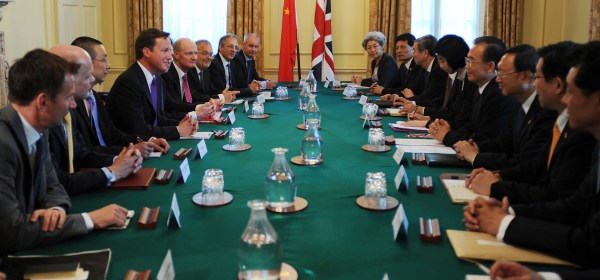
Written by Ross Tandy. When it comes to dealing with China, certain issues are sensitive and have to be dealt with as such. Human rights and Taiwan are two issues that certainly fit these criteria. Following the events of 4 June 1989, the West was united in condemning the acts of China.
Written by Joseph Yu Shek Cheng. ‘A common understanding of the severe challenges that pro-democracy groups outside Mainland China face, including those in Taiwan and Hong Kong, is that they have to fight a sophisticated united front machinery and a state security apparatus with ample resources at its disposal.’
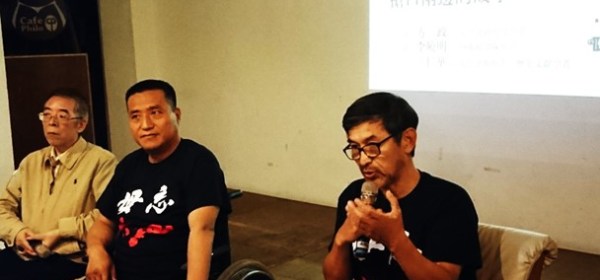
Written by Linda Gail Arrigo. There has been little love lost between the Chinese democracy movement and the Taiwan independence movement. This is, I surmise, unfortunate, because Taiwan is increasingly in danger of takeover by the People’s Republic of China (PRC). Yes, there has been some contact over the decades, but not always friendly.
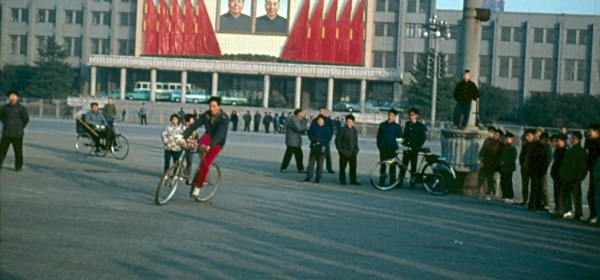
Written by Kuo Jia. Indeed, the left in Taiwan borrows heavily on this knowledge in its analysis of subjects and effects in movements. However, I do not mean that Western Marxism and new social movement theory that developed in Taiwan from the 1990s is always better or more progressive. I am just suggesting that these may inspire or supplement mainland China’s orthodox Marxism for young leftists and their movements.
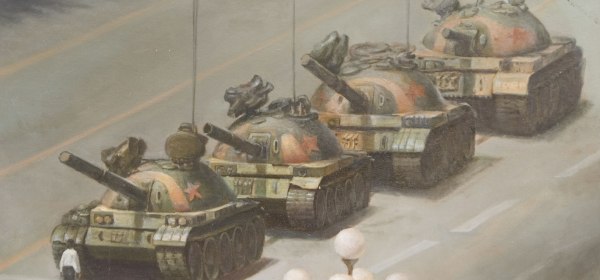
Written by John F. Copper. But the facts also say that Lee did not adopt a policy of making China a pariah or isolating and punishing China for the events of June 1989. In fact, Taiwan’s relations with China did not get worse; they got better.
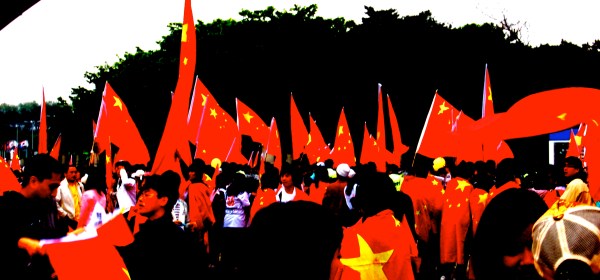
Written by Rowena He. The hijacking of history by the Chinese Communist Party, together with the manipulation of nationalistic sentiments, promotes historical amnesia, fosters a narrow and xenophobic nationalism, impedes reflection on historical tragedies and injustice, and stokes enthusiasm for China’s growing international assertiveness. And such state-sponsored made-in-China nationalism, compounded with the soft power exported through agencies such as Confucius Institutes, has profound implications for the future of China, its relationship with Taiwan, and the world.
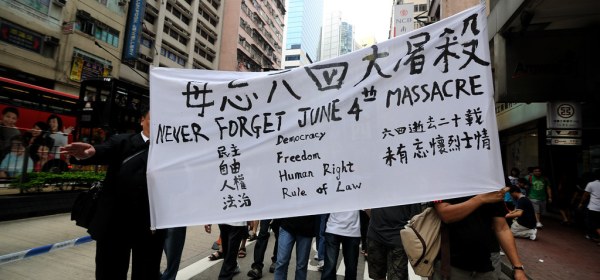
Written by Joseph A. Bosco. The 30th anniversary of the Tiananmen Square massacre reminds us of what remains unchanged in China’s authoritarian government despite decades of Western engagement. The “China dream” espoused by President Xi Jinping is not the same as what the Chinese people dream for their country.
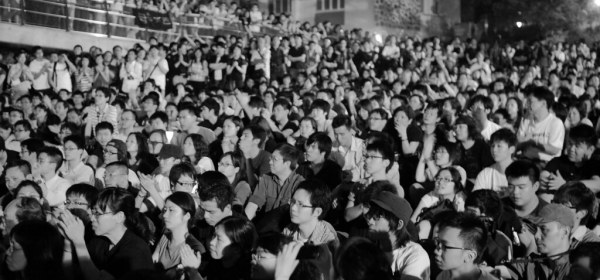
Written by Mark Wenyi Lai. The differences between China’s June Fourth Incident in 1989 and Taiwan’s Wild Lily Student movement in 1990 indicate the cross-Strait increasing divergence of political paths over the past thirty years. The former ended with Type 59 tanks on Tiananmen Square and a more tightened and illiberal CCP governance.
 Taiwan Insight