Taiwan Insight–IJTS Special Issue on ‘IJTS Open Access Awards’ 

Written by Dr Ming-Yeh T. Rawnsley. This article is an introduction to the Taiwan Insight–IJTS Special Issue on IJTS Open Access Awards, an initiative recognising high-quality Taiwan-focused research by granting open-access status to the selected articles. This Special Issue showcases six award-winning articles, highlighting their contribution across multiple disciplines beyond Taiwan Studies.

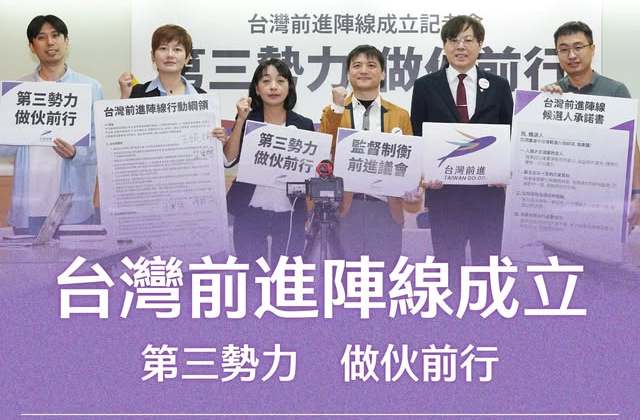
Bridging Taiwan’s Blue-Green Divide: The Twentieth Anniversary of the 2005 Chen-Soong Meeting (扁宋會)

Written by Jasper Roctus. This article revisits a rare moment of bipartisanship from two decades ago when the DPP’s incumbent president Chen Shui-bian met with the PFP leader James Soong. The meeting offers insights into the possibilities and limits of political reconciliation in Taiwan in 2025. Even politically opposed figures can agree to embrace greater tolerance and goodwill.

Heads-up to the KMT: Why the botched budgeting compilation and political impasse in the Legislative Yuan may be more costly for the Kuomintang?

Written by Dr Chieh-chi Hsieh. This article argues that the KMT will suffer more substantial political backlash than the TPP both in the short term and long term. The KMT legislators will face the nationwide recall motions, while the TPP will not lose any of their legislators. The KMT is also going to bear the electoral cost of the internalisation of the cross-Strait confrontation.

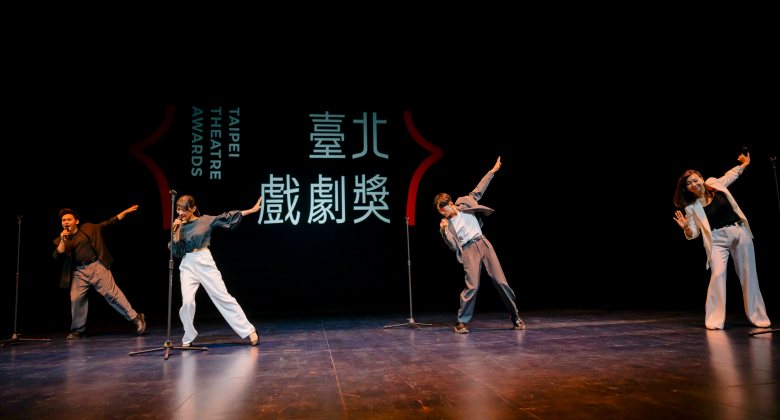
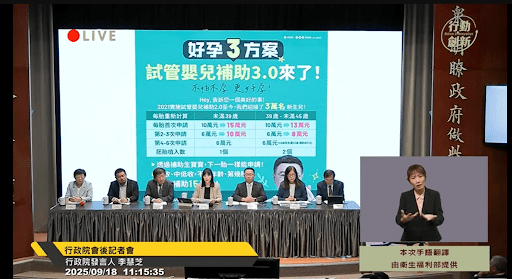
Who Are the Victims of Taiwan’s Cultural Budget Disputes? The Invisible Right to Cultural Participation for People with Disabilities

Written by Hsin-Yi Chao. This article discusses cultural equity and the rights of persons with disabilities in Taiwan. It examines cultural equity subsidies since 2016, noting that despite overall budget growth, cultural equity funding remains unstable. The author highlights a case where budget cuts led to the suspension of sign language interpretation services and proposes policy recommendations to strengthen cultural equity implementation.

Lai Ching-te’s Leadership on the Line in Taiwan’s Budget Standoff

Written by Meng Kit Tang. Taiwanese President Lai Ching-te faces a critical leadership test amid a budget standoff with an opposition-controlled legislature. Key defence cuts, including Taiwan’s submarine program, raise security concerns. Lai must balance strong leadership and negotiation to avoid political paralysis. Lessons from Taiwan’s political history offer guidance for effective crisis management.

Love is Impossible, but Justice will not Suffice.

Written by Patricia Huang. This article analyses the budget cuts to Taiwan’s Ministry of Culture, including the freezing of funds for museums and the possible impacts of under-budgeting. It explores the debate around subsidising culture and the concept of “Cultural Exception”. The author also examines alternative funding sources for culture, taking examples from other countries, such as lotteries and TV licensing fees.

Taiwan’s Looming Budget Crisis: A Stress Test for Democracy and National Security

Written by YouHao Lai and Gahon Chiang. This article explores the procedural and substantive controversies of the unprecedented budget cuts and their impact on Taiwan’s government and national security, ad what might come next. The cuts disrupt the core government’s functions and policy implementation and efforts to strengthen its self-defence. It is a test of national will to ensure Taiwan’s long-term security.

The Death Penalty in Taiwan: An Overview and the Impact of 113-Hsien-Pan-8 

Written by Szu-Yu (Suzy) Chen. This article provides an overview of Taiwan’s legal landscape of the death penalty, focusing on the Constitutional Court’s Judgment 113-Hsien-Pan-8 (2024), which upheld the constitutionality of the death penalty while imposing strict procedural restrictions. It examines the historical context, legal shifts, and the current impact of 113-Hsien-Pan-8, highlighting its influence on Taiwan’s death penalty practices and the ongoing debate.

1 12 13 14 15 16 135