Fisheries as a Means of Outward Mobility During Taiwan’s Martial Law Period 

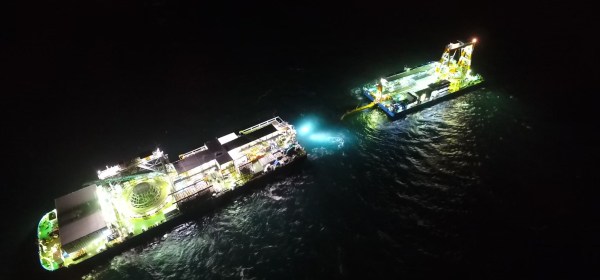
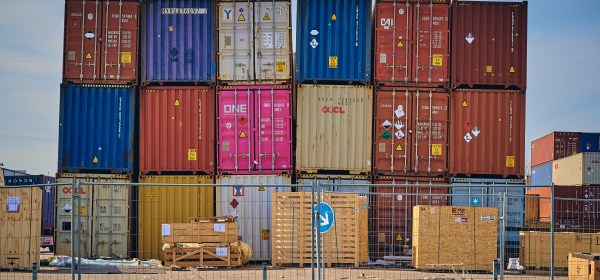
Written by Jess Marinaccio. This article examines Taiwan’s fisheries during martial law, with a focus on the 1976 Jinnan No. 1 incident in New Zealand. Illegal fishing both strained Pacific diplomacy and yet revealed how fishing boats enabled individual mobility. For workers like Zhang Songhuo on Jinnan No. 1, fisheries were not solely a means of livelihood, but also a possible escape route from the authoritarian ROC during the martial law period.

Lesson from India-Pakistan: Weaponisation of Chokepoints

Written by Ritika Passi. The article discusses the weaponisation of different chokepoints, using the India-Pakistan water dispute as a case study. It applies these insights to Taiwan, underscoring its vulnerabilities in the Taiwan Strait for trade and subsea cables for data. The author emphasises the need for Taiwan to enhance its economic security and resilience against potential disruptions.

India-Pakistan Conflict: Lessons for Taiwan

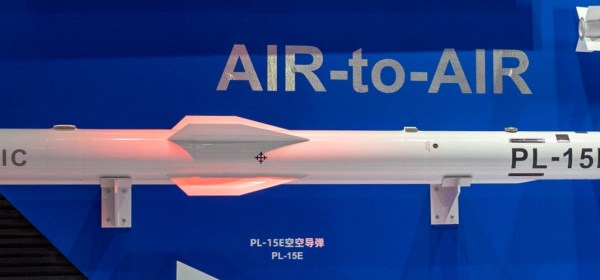
Written by Sana Hashmi. This article discusses how the 2025 India-Pakistan conflict served as a critical case study for Taiwan, especially concerning a potential Chinese invasion. The author argues that China’s indirect support for Pakistan during the conflict allowed Beijing to test limited war scenarios, grey-zone tactics, and cognitive warfare strategies, mirroring Taiwan’s own strategic environment. This highlights Taiwan’s need to diversify its defense partnerships and enhance its resilience against disinformation.

What I Saw and Heard: Triangular Relations among Taiwan, China, and the Holy See

Written by Thomas Ching-Wei TU. This two-part article reflects on Taiwan’s diplomacy with the Holy See from a high-level politics perspective and examines how Taiwan can enhance cooperation. It argues that in addition to calling for religious freedom in China, the Taiwanese should understand the primary goals of the Vatican’s diplomacy and its differences with secular states. 

China and Russia’s Cognitive Domain Influences: The Strategic Use of Narrative Manipulation

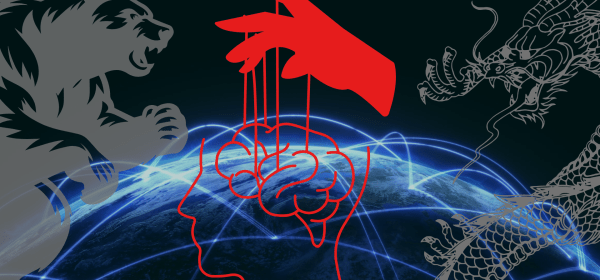
Written by Wen-Qing (Sarah) Jiang. This article studies the increasing use of cognitive tactics in information operations by China and Russia. The internal political polarisation makes Taiwan and the EU especially vulnerable to these campaigns. The article contrasts the responses of Taiwan and Transnistria to cognitive warfare, highlighting the importance of a resilient government and a vibrant civil society.

Adding Turbulence to the Turbulent Region: Cooperation Between Western Balkans, China, and Taiwan

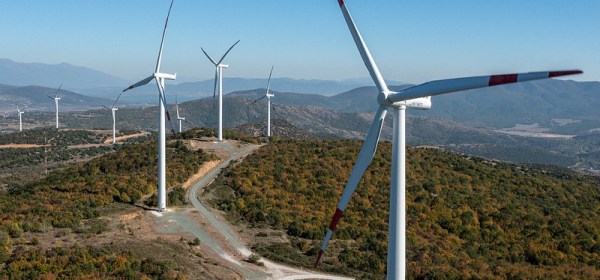
Written by Stefan Vladisavljev and Damir Dizdarević. The Western Balkans face the challenge of balancing growing Chinese influence with the need for diversified and resilient partnerships to support their green transition. While limited by diplomatic constraints, Taiwan offers a strategic alternative through cooperation in clean energy and technology that aligns with democratic values and enhances supply chain security.

The Expansion of Taiwanese Firms and the US-China Trade War: The Subcontractors’ Dilemma in Global Supply Chain Competition 

Written by Lin, Thung-Hong. This article introduces the 2023 IJTS Open Access Award-winning paper, “Subcontractors’ Dilemma: The Expansion of Taiwanese Firms 2002–2015”, and discusses a follow-up study examining how China’s autocratisation under Xi Jinping has impacted Taiwanese firms operating in China through 2022. Together, these studies provide a comprehensive view of the challenges Taiwanese businesses face amid globalisation and shifting geopolitics, offering crucial insights into corporate strategies and government policies.

The Porcupine Strategy: Taiwan’s Road to Self-Defense

Written by Dominika Remžová and Dominika Urhová. The article begins with the modernisation of China’s military and its implications for Taiwan’s defense strategies. It emphasises the need for Taiwan to adopt asymmetric warfare approaches amid increasing Chinese military pressures and to reform its armed forces. Taiwan’s reliance on its critical semiconductor industry is also highlighted, showcasing its strategic importance.

1 2 3 15