Who Is Taiwanese: Rejection or Redefinition?

Written by Meng Kit Tang. This article explores the evolving debate over Taiwanese identity, contrasting two models: the rejectionist approach and the redefinition model. It examines the implications of each model for domestic cohesion, diplomacy, and national resilience, arguing that a redefinition approach provides Taiwan with a stronger foundation to navigate internal polarisation and external pressures.

Taiwan in Global Discussions

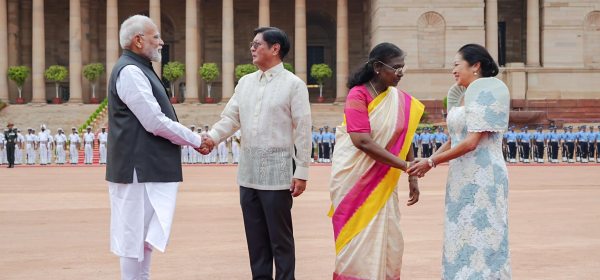
Written by Manoj Kumar Panigrahi. This article begins with Philippine President Marcos Jr.’s recent visit to India. It highlights the new bilateral agreements, investment, and his remarks on Taiwan that provoked Chinese and Taiwanese responses. The author then provides a critical examination of the India-China and India-Taiwan relationships, particularly situating Taiwan at the center of evolving regional security and economic dynamics.

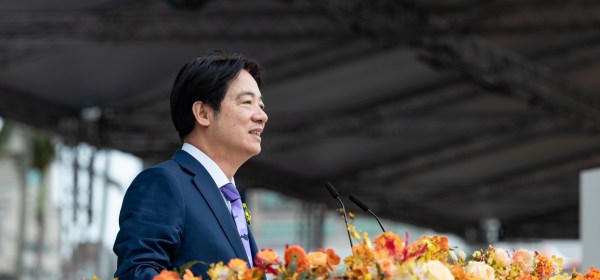
Divided Not Doomed: Domestic Challenges for the Lai Administration’s Foreign Policy

Written by Nils Peterson. This article analyses the domestic challenge for the Lai administration’s foreign policy under a KMT-aligned Legislative Yuan. The divided government poses two potential hurdles: the risk of domestic gridlock and fights over defence appropriation funding. These challenges will require some degree of compromise between the KMT and the DPP, reinforced by the recent recall campaigns.

Lesson from India-Pakistan: Weaponisation of Chokepoints

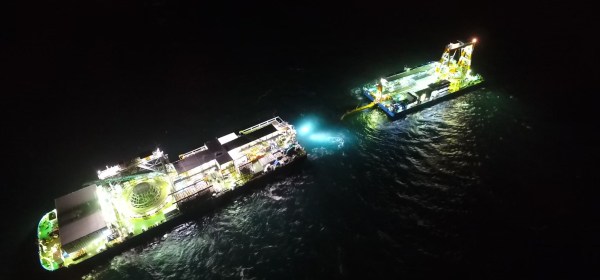
Written by Ritika Passi. The article discusses the weaponisation of different chokepoints, using the India-Pakistan water dispute as a case study. It applies these insights to Taiwan, underscoring its vulnerabilities in the Taiwan Strait for trade and subsea cables for data. The author emphasises the need for Taiwan to enhance its economic security and resilience against potential disruptions.

A Strategic Wake-Up Call: Insights from South Asia for Taiwan’s Defence Posture 

Written by Hsiao-Chen Lin. The article examines how South Asia’s recent strategic developments, particularly Pakistan’s use of integrated C4ISR systems, offer crucial insights for Taiwan’s defense. It highlights China’s export of integrated warfare doctrines and Taiwan’s efforts to enhance its resilience through defence reforms, societal readiness, and strategic realignment amidst evolving Indo-Pacific dynamics.

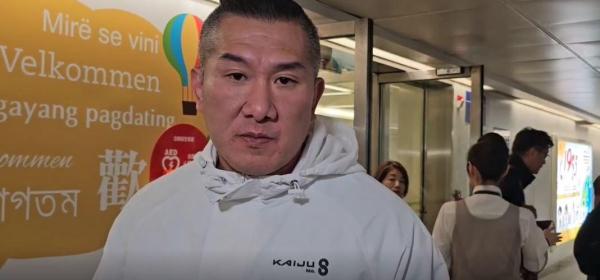
Be Water: The Dragon’s Identity and Pride Flow Across Borders

Written by Meng Kit Tang. This commentary explores how Bruce Lee’s legacy offers a compelling, non-political model for redefining Chinese identity in Taiwan.  By reframing Chinese identity as values-based, Lee serves as a bridge across generations, borders, and political divides. The article proposes civic and youth-centred initiatives that leverage Lee’s enduring appeal to foster intergenerational confidence, cross-cultural empathy, and peaceful dialogue in the Taiwan Strait.

China and Russia’s Cognitive Domain Influences: The Strategic Use of Narrative Manipulation

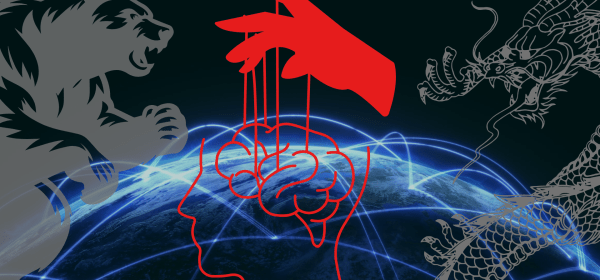
Written by Wen-Qing (Sarah) Jiang. This article studies the increasing use of cognitive tactics in information operations by China and Russia. The internal political polarisation makes Taiwan and the EU especially vulnerable to these campaigns. The article contrasts the responses of Taiwan and Transnistria to cognitive warfare, highlighting the importance of a resilient government and a vibrant civil society.

Bridging Taiwan’s Blue-Green Divide: The Twentieth Anniversary of the 2005 Chen-Soong Meeting (扁宋會)

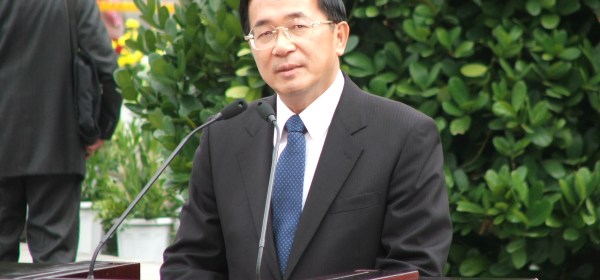
Written by Jasper Roctus. This article revisits a rare moment of bipartisanship from two decades ago when the DPP’s incumbent president Chen Shui-bian met with the PFP leader James Soong. The meeting offers insights into the possibilities and limits of political reconciliation in Taiwan in 2025. Even politically opposed figures can agree to embrace greater tolerance and goodwill.

1 2 3 12