
Written by Brian Hioe. US PRESIDENT DONALD TRUMP alarmed earlier this month after comments suggesting that he would decide whether to suspend arms sales to Taiwan after meeting with Chinese President Xi Jinping in April.
Written by Brian Hioe. US PRESIDENT DONALD TRUMP alarmed earlier this month after comments suggesting that he would decide whether to suspend arms sales to Taiwan after meeting with Chinese President Xi Jinping in April.
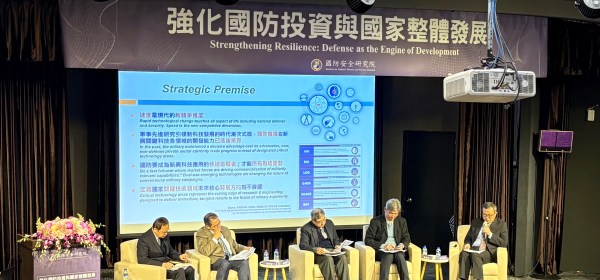
Written by Domingo I-Kwei Yang and Chan-Hsi Wang. This article argues that a new trend is emerging in Taiwan’s debate over defence spending, elevating the economic logic behind defence investment. It identifies the shift from fiscal burden to strategic investment, from buyer to co-production partner with the US and “peace through strength” as an economic strategy that fuses military readiness with an economic agenda.

This article examines whether Taiwan’s record NT$1.25 trillion defence package in 2025 strengthens deterrence or unintentionally accelerates strategic and demographic risk. The piece argues that both major parties rely on the same unspoken assumption that the United States will intervene decisively. It proposes a viable third path that balances readiness with societal resilience.

Written by Chieh-Ting Yeh. This article reviews an eventful year of 2025 in Taiwan-US relations. Defence and trade continue to be the most important issues of the bilateral relationship under the Trump administration. It argues that the narrative surrounding it is fundamentally reactive and does not inspire hope or action. We need a more robust, imaginative, positive, optimistic, uplifting, inspiring, forward-looking, and hopeful narrative for US-Taiwan relations.
Written by Gerrit van der Wees. This article suggests that Taiwan-US relations in 2025 were turbulent. The year was marked by contradictory presidential statements, unprecedented congressional activism, and the codification of Taiwan’s strategic importance in U.S. defence and security planning. The latest PLA military exercise indicates that 2026 will be even more turbulent.
Written by Baosheng Guo. This article analyses Taiwan’s options in the face of Trump’s uncertain and unpredictable Taiwan policy. It suggests that Taiwan should urge the US to provide strategic clarity and strengthen its relationship with Europe. Taiwan should also weaponise the interdependence of its semiconductor industry with the US and prepare to restart its research and development of nuclear weapons.
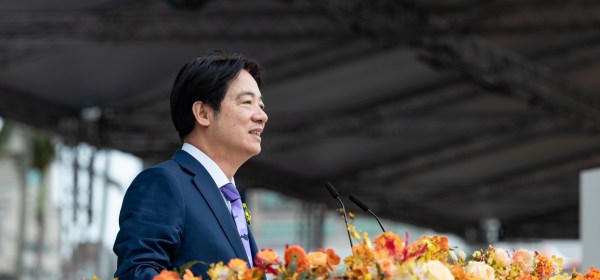
Written by Nils Peterson. This article analyses the domestic challenge for the Lai administration’s foreign policy under a KMT-aligned Legislative Yuan. The divided government poses two potential hurdles: the risk of domestic gridlock and fights over defence appropriation funding. These challenges will require some degree of compromise between the KMT and the DPP, reinforced by the recent recall campaigns.
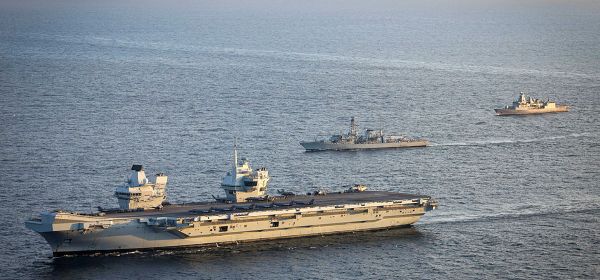
Written by Alexandra Whitehead. This article assesses the importance of Taiwan in the UK’s Strategic Defence Review (SDR) published in June 2025. It argues that the SDR recognises Taiwan’s global significance in the context of countering China, both in security and economic terms. However, it lacks explicit contingency planning to support Taiwan and remains ambiguous towards China.
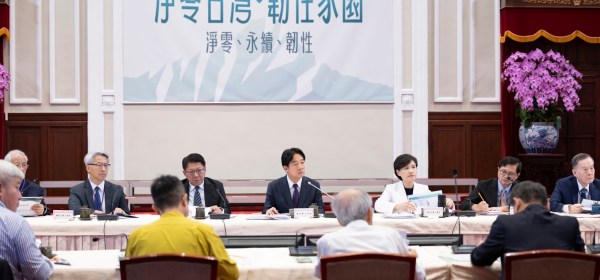
Written by Paul Jobin. This article discusses the challenges and strategic priorities of Taiwan’s national committees placed in the Presidential Office, addressing the issues of climate change, defence resilience, and health. This article reviews the first meeting of the National Climate Change Response Committee to assess the government’s stance on nuclear energy, the priorities of different stakeholders in climate policy, and the potential synergies with Taiwan’s defence and health strategies.

Written by Zhekai Li. This article analyses China’s naval expansion in the backdrop of President Lai’s inauguration. The author argues that the launch of China’s third aircraft carrier signifies a significant expansion of its naval capabilities and poses new challenge to the balance of power in the Taiwan Strait. The future of Taiwan rests on restraint by all parties more than ever.
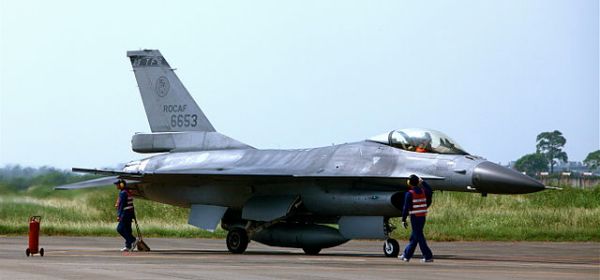
Written by Timothy S. Rich and Miriam Dawson. With a delicate security situation due to its complex relationship with China, Taiwan must reevaluate its defensive capabilities, including military spending. However, such policies would not be without controversy, as public opinion plays a crucial role in shaping the trajectory of Taiwan’s defence policies.
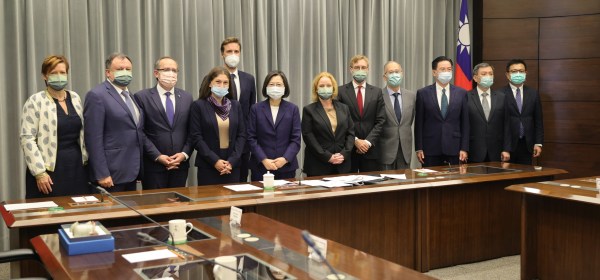
Written by Gerrit van der Wees. In all probability another turbulent year ahead for Taiwan, but President Tsai Ing-wen’s steady hand, together with a resilient population, and a broadening network of friends in like-minded countries across the globe, will help Taiwan weather the storms ahead.
 Taiwan Insight