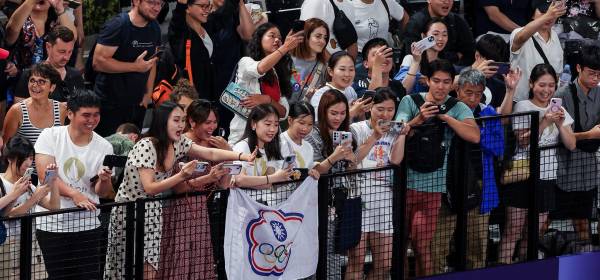
Political Implication of Olympic Formula for Taiwanese Spectators in the Stands

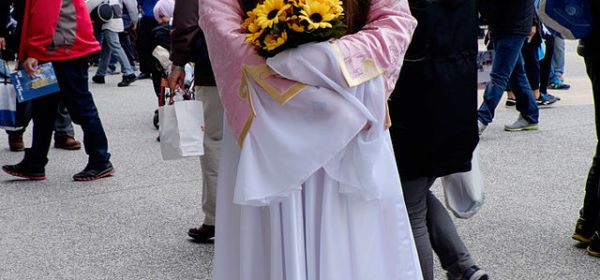
Written by Junwei Yu. This article highlights the political implication of the Olympic Formula of Chinese Taipei for Taiwanese spectators in the stand. The IOC regulations for spectators are relatively vague and that allow different handling of Taiwanese fans in various Olympics and sports events. This article reviews these incidents amidst increasingly assertive Taiwanese identity.

The coming of an overseas Hongkonger identity and Taiwan-Hong Kong connection: Reflection on the Legacy of the Umbrella Movement

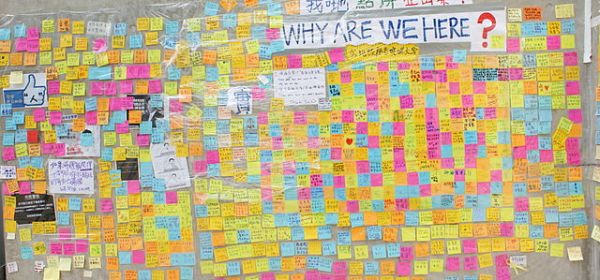
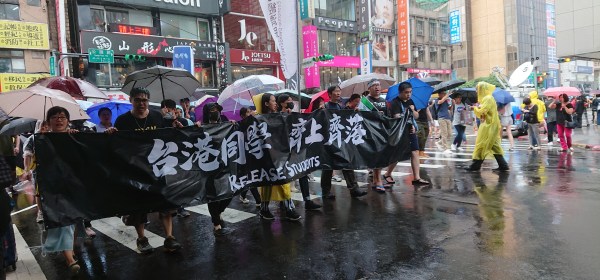
Wriiten by Desmond Hok-Man Sham. The Umbrella Movement did not just construct the identity of local Hong Kongers but also overseas Hong Kongers, where Taiwan plays an important role in that process. This article reflects on how the identity was constructed overseas through diaspora mobilisation and activism and the future of Taiwan-Hong Kong connections.

Hoklo Rap and Taiwanese Resistance Vernaculars 

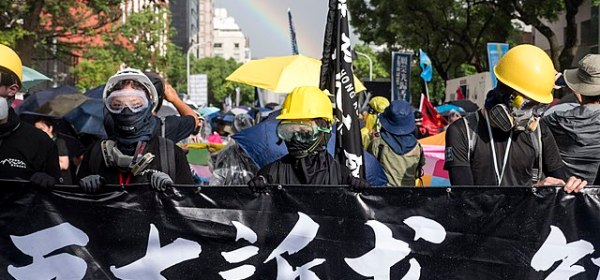
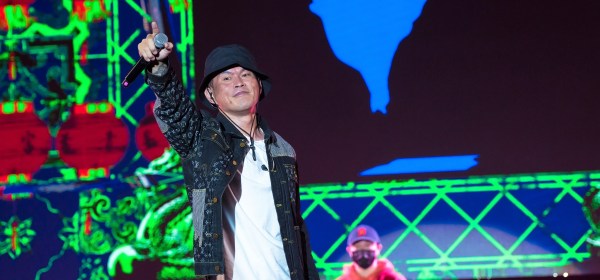
Written by Meredith Schweig. Since the end of the 1980s, when rap music first took root in urban Taiwan, artists have explored the creative possibilities inherent to rhyming in the multiple languages spoken on the island. Early commercial pop-oriented performers like Yu Chengqing tended to rap in Mandarin; acts primarily associated with the underground folk and rock scenes, like Blacklist Workshop and Jutoupi, performed almost exclusively in Hoklo; and American-born Taiwanese teen sensations the LA Boyz peppered their Mandarin and Hoklo verses with English.

Unveiling Contemporary Taiwan Identity: What Lesson can we Learn from Dcard’s Responses on the Hong Kong Immigration Wave?

Written by Cheuk Kwan Lau. In January 2023, a BBC news article brought attention to the challenges faced by Hong Kongers who migrated to Taiwan. The news pointed out that Hong Kongers who migrated to Taiwan face institutional obstacles when applying for citizenship. Immigration laws in Taiwan were claimed to be outdated. The migrated Hong Kongers could legally inhabit Taiwan, yet they did not enjoy citizenship and civil rights.  

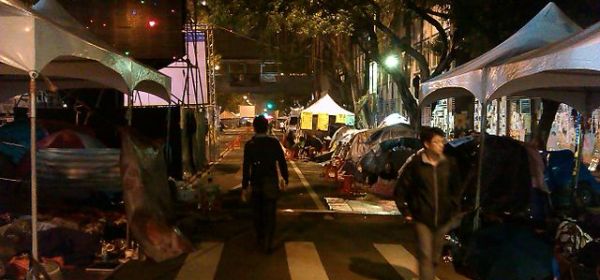
Instead of exploring the various institutional obstacles they face, this article takes a unique approach by examining the perceptions of the Taiwanese young generation regarding the influx of Hong Kong immigrants. It aims to uncover the contemporary Taiwanese identity constructed by this demographic, previously seen as a strong ally of Hong Kong protestors during the 2019 Anti-Extradition Law Movement.

Ethno-culture in national identity formation: what lesson can we learn from Taiwan?

Written by Olga Daksueva. The Russia-Ukraine war brought back discussions on national identity and how it is formed. National identity consists of two components: ethnocultural and political. Ethno-culture is often viewed as “the core of a nation and national identity,” which includes language, history, culture, and religion. It is argued to become the passé and to be replaced by the political component, which is designed through state sovereignty and territorial boundaries, delimiting the extent of nations and, by doing so, forming commonalities within the nations. However, the fact that we share a common territory is insufficient to get attached to the country. States also utilise various means to shape salient national identity through “rediscovery, reinterpretation and regeneration of [national] community.”

Colonial Nostalgia and the Delegitimisation of Pro-democracy Forces in Hong Kong and Taiwan

Written by Zeng Ee Liew. The term ‘colonial nostalgia’, or 戀殖 (lian zhi), has appeared more and more since the 2000s in the discourse used by Mainland China to describe the politicians or activists who advocate for democracy or even independence in both Taiwan and Hong Kong. Very often, those democracy or independence activists will be described as ‘traitors’ who still harbour lingering love or affection and pander to the former Western or Japanese colonial power and fail to show full patriotic love to the motherland. The use of such discourse can be seen from the lens of a broader effort by the Chinese government to delegitimise those pro-democracy activists, which will be explored further in this article.

Han-Heterosexual-Male Supremacy across the Pacific? A Critique of The Taiwanese Reminiscence Acrobatic Show

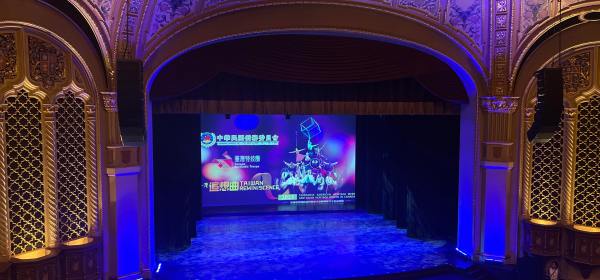
Written by Mark Hsiang-Yu Feng. Busy as usual was Highway number eighty, but Mother’s Day made downtown San Jose unexpectedly quiet. However, in front of the California Theatre, lively chat sounded out of the silence, marking this celebratory moment for the twentieth anniversary of the Taiwanese American Center of Northern California during Asian and Pacific Islander heritage month. Families came to fill most of the seats, and three languages—Hoklo Taiwanese, Taiwanese Mandarin, and English—were spoken to express the identity of these participants. To honour the culture of Taiwanese and Taiwanese Americans, the overall narrative of Taiwanese Reminiscence contextualises a mixture of stunts, acrobatic movements, and dance into a condensed representation of the twentieth history of Taiwan.

Beyond Chinese: The Evolution of Taiwanese-Canadian Identity in Canada

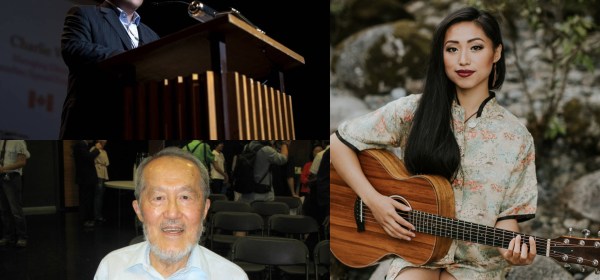
Written by Charlie Smith. At the height of the pandemic in 2020, a cultural producer generated considerable discussion within the Taiwanese diaspora in North America. It came when Charlie Wu wrote an article declaring: “I’m a Taiwanese Canadian, not a Chinese Canadian.” It was the managing director of the Asian-Canadian Special Events Association’s personal response to being constantly labelled as Chinese in his adopted country. In fact, Wu was even included in the list of the top 100 influential Chinese Canadians in British Columbia in a 2006 article in the Vancouver Sun. 

1 2 3 4