Taiwan-India University Cooperation: Emerging Corridors of Academic Exchange and Technological Diplomacy

Written by Neeraj Mehra. This article examines the growing educational partnership between Taiwan and India as a strategic soft power tool. Nearly 1,500 Indian students now study in Taiwan, primarily in engineering and technology fields, facilitated by a 2010 MOU and Taiwan’s New Southbound Policy. This collaboration offers complementary benefits: Taiwan’s semiconductor expertise paired with India’s demographic dividend and emerging tech sector. While recent high-level delegations signal strong governmental commitment, challenges remain in administrative barriers, visa processes, and funding stability. The author argues that with proper institutional mechanisms, this partnership could become a major Indo-Pacific academic alliance serving both knowledge diplomacy and technological self-reliance.

Taiwan in Global Discussions

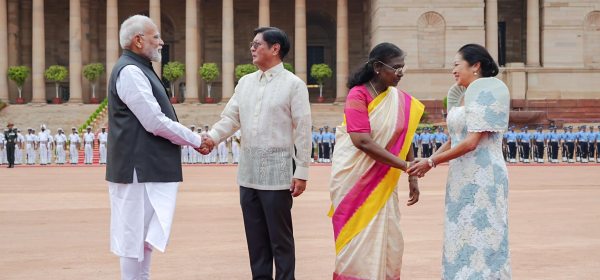
Written by Manoj Kumar Panigrahi. This article begins with Philippine President Marcos Jr.’s recent visit to India. It highlights the new bilateral agreements, investment, and his remarks on Taiwan that provoked Chinese and Taiwanese responses. The author then provides a critical examination of the India-China and India-Taiwan relationships, particularly situating Taiwan at the center of evolving regional security and economic dynamics.

From Overcrowding to Opportunity: Taiwan’s Appeal for Indian Tourists

Written by Neeraj Mehra. This article discusses Taiwan’s untapped potential in India’s booming outbound tourism market, highlighting shared cultural ties, natural attractions, and democratic values. The author proposes that easing visas, improving air connectivity, boosting targeted marketing, and fostering educational exchanges may expand tourism, strengthen Taiwan’s soft power, and advance its New Southbound Policy goals.

Lesson from India-Pakistan: Weaponisation of Chokepoints

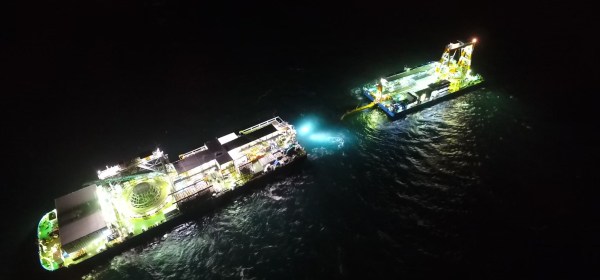
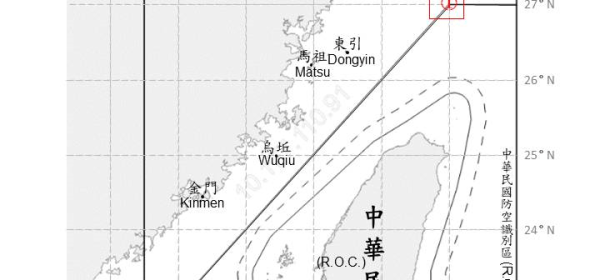
Written by Ritika Passi. The article discusses the weaponisation of different chokepoints, using the India-Pakistan water dispute as a case study. It applies these insights to Taiwan, underscoring its vulnerabilities in the Taiwan Strait for trade and subsea cables for data. The author emphasises the need for Taiwan to enhance its economic security and resilience against potential disruptions.

A Strategic Wake-Up Call: Insights from South Asia for Taiwan’s Defence Posture 

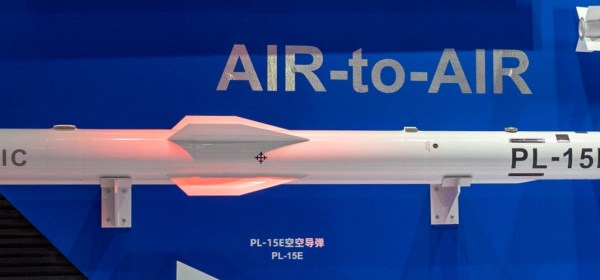
Written by Hsiao-Chen Lin. The article examines how South Asia’s recent strategic developments, particularly Pakistan’s use of integrated C4ISR systems, offer crucial insights for Taiwan’s defense. It highlights China’s export of integrated warfare doctrines and Taiwan’s efforts to enhance its resilience through defence reforms, societal readiness, and strategic realignment amidst evolving Indo-Pacific dynamics.

India-Pakistan Conflict: Lessons for Taiwan

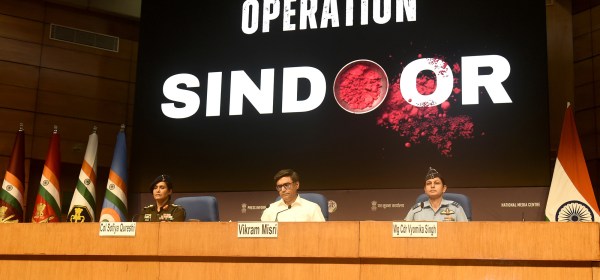
Written by Sana Hashmi. This article discusses how the 2025 India-Pakistan conflict served as a critical case study for Taiwan, especially concerning a potential Chinese invasion. The author argues that China’s indirect support for Pakistan during the conflict allowed Beijing to test limited war scenarios, grey-zone tactics, and cognitive warfare strategies, mirroring Taiwan’s own strategic environment. This highlights Taiwan’s need to diversify its defense partnerships and enhance its resilience against disinformation.

From Missiles to Malware: India-Pakistan Cyber Rivalry and Lessons for Taiwan 

Written by Sameer Patil. This article discusses how the May 2025 India-Pakistan conflict unveiled a new chapter of cyber warfare and cognitive warfare. As the two nations exchanged conventional blows, an intense battle simultaneously unfolded in cyberspace, targeting digital infrastructure and spreading disinformation. Pakistan aggressively launched cyberattacks and propaganda, while India largely adopted a retaliatory and defensive cyber posture. This highlights the critical and evolving role of cyberspace in modern conflicts and offers key lessons for Taiwan regarding cybersecurity and countering disinformation.

The Implications of Recent India-Pakistan Conflict for Taiwan: Raising Awareness of Security Threat and Strengthening Will to Resist Aggression

Written by Mei-chuan Wei. This article examines the recent India-Pakistan conflict’s implications for Taiwan, highlighting the importance of developing advanced defence systems like data links and integrated air defence. It underscores the critical need for Taiwan to bolster public awareness of security threats and cultivate an unwavering will to resist potential Chinese aggression, viewing these as crucial for national defence.

Taiwan in South Asia: Engagement, Opportunities & Constraints

Written by Raian Hossain. This article examines Taiwan’s relations and engagement in South Asia, with reference to the cases of India and Bangladesh. It argues that Taiwan has great potential in the region. Taiwan should strategise to interact with different South Asian countries based on their own merit and limitations and find areas of mutual interest to increase its regional footprint.

INDIA-TAIWAN RELATIONS: RIGHT TIME TO MOVE AHEAD

Written by Jasinder Singh Sodhi. Relations between India and Taiwan have improved significantly over the last two decades, even though the two nations do not have formal diplomatic ties. This is because India officially recognises China as part of its One-China Policy. In the political field, India and Taiwan are both grappling with the Chinese standoff in the Himalayas and Taiwan Strait, respectively. Therefore, reinforcing India-Taiwan relations can stand up to the expansionist plans of China since China is incapable of launching a two-front war on India and Taiwan simultaneously. Thus, the stronger relations India and Taiwan have, the better results it will have for mutual national interest and national security.

The Aversion of the Fourth Taiwan Strait Crisis: Nancy Pelosi’s Daring Visit to Taiwan

Written by Lt Col JS Sodhi (Retd). Abhijit Naskar’s quote, “Peace is a state of mind, but in a world where the state controls the mind, peace remains an inconvenience”, is apt for China’s aggression in its quest to take over Taiwan. As the Speaker of the House of Representatives of the USA, Nancy Pelosi, in an exemplary show of guts and grit, visited Taiwan despite the Dragon spewing fire, thereby sending a stern and strong message to China that the USA stands in total solidarity and support to Taiwan and any misadventure and misdemeanour by China on Taiwan will be dealt with swiftly and surely.

Taiwan Studies: An experience from India

Written by Manoj Kumar Panigrahi. The government and academicians must work upon a little academic knowledge of Taiwan in India. To begin with, Taiwan Studies can make space for itself within existing programmes or research centres in Northeast Asia or East Asia. Once it gains a stronghold, it can take off as a separate entity. I am optimistic about collaborating with other Taiwan Studies programmes worldwide to enhance India’s new front of research. The primary and most important goal now thus is to initiate and cultivate interest in Taiwan in India. Whether the interest in Taiwan is coming independently or clubbing it with other studies should not matter at the current stage. The debate of whether it shall be clubbed with “China studies” or be called “Sinitic” study can be taken up later.

1 2