After Fukushima, Japan is Re-investing in Nuclear. Why Won’t Taiwan?

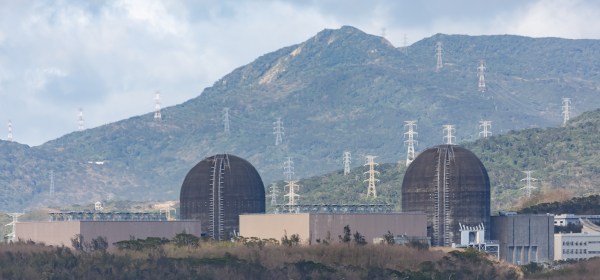
Written by Lena McEachern. This article argues that Taiwan should reinvest in nuclear energy for its energy security in the current geopolitical climate. It is also a relatively environmentally clean energy source. Although the referendum to open Maanshan reactor did not reach the legal threshold necessary to pass, the DPP should build momentum towards restarting decommissioned reactors.

KMT Likely to Cry Foul Over Referendum Decision by Central Election Commission

Written by Brian Hioe. The Central Election Commission (CEC) has approved a referendum on resuming operations for the recently shuttered Ma-anshan nuclear power plant, while rejecting a referendum on capital punishment. Although the KMT pushed for both referendums as part of its electoral strategy, it did not appeal to the general public with either referendum, perhaps reflecting weakness of the KMT at the local level.

It’s Getting Serious: Taiwan’s Phasing Out of Nuclear Energy and Furthering its Transition to Green Energy

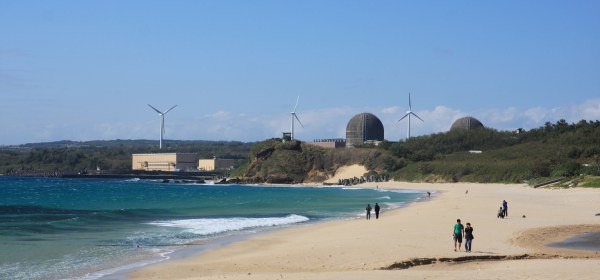
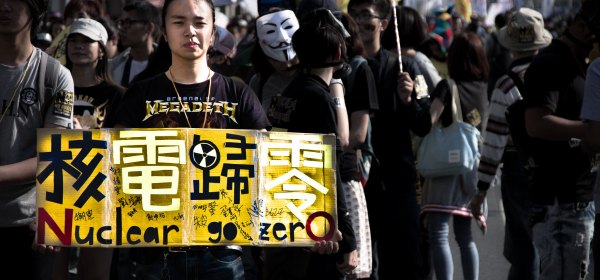
Written by Josie-Marie Perkuhn. On 17 May 2025, Taiwan shut down its last nuclear power plant, ending nearly five decades of nuclear energy use. While the government promotes renewables and sustainability, rising energy demands, heavy fossil fuel dependence, and geopolitical risks challenge its green transition. Civil society and innovation remain key drivers forward.

The national Committee on Climate Change: Also a security issue  

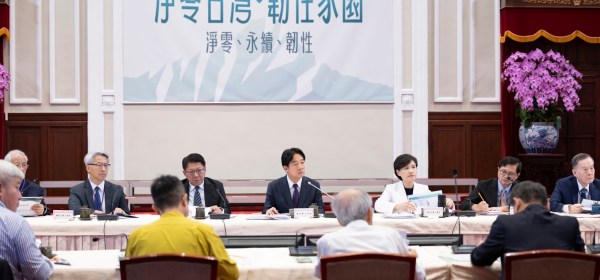
Written by Paul Jobin. This article discusses the challenges and strategic priorities of Taiwan’s national committees placed in the Presidential Office, addressing the issues of climate change, defence resilience, and health. This article reviews the first meeting of the National Climate Change Response Committee to assess the government’s stance on nuclear energy, the priorities of different stakeholders in climate policy, and the potential synergies with Taiwan’s defence and health strategies.  

Neither Green nor Just: The DPP’s Reckoning with Environmental Justice 

Written by Dominika Remžová. The Russian weaponisation of gas supplies has sparked a renewed interest in Taiwan’s energy security, placing the DPP’s anti-nuclear policies at the centre of attention. On the one hand, both energy and national security experts have criticised the DPP’s continuing nuclear phase-out for pushing Taiwan, which in 2022 imported more than 97% of its energy, into an increasingly precarious position. The opposition, on the other hand, has criticised the party’s 2025 energy mix formula (i.e., 20% renewable energy, 30% coal, and 50% LNG) for its inconsistency with international trends, namely the increasing role of nuclear energy in global decarbonisation efforts, which the DPP countered by referring to industry-wide trends, such as the renewable energy focus of the RE100 initiative, instead.  

The Democratic Progressive Party’s Nuclear Policy Dilemma: An Unwavering Anti-Nuclear Stance Amidst Self-Contradictory Policies

Written by Minfan Yu. On May 28th, the DPP-affiliated presidential campaign candidate William Lai Ching-Te (賴清德) stirred controversy by responding to a question about whether the cross-strait tensions faced by Taiwan had resulted in a shortage of natural gas for electricity production. Despite being a staunch advocate for green energy and consistently promoting an anti-nuclear stance, Lai’s answer suggesting the potential reactivation of nuclear power plants in emergency situations appeared contradictory to the DPP’s anti-nuclear policy.

Energy transition in Taiwan: Generating electricity with love, or inclusive public engagement?

Written by Anthony H. F. Li. A stable electricity supply is vital for national security, economic development as well as the everyday lives of citizens in Taiwan. Since the Democratic Progressive Party (DPP) pursued an ambitious policy to decarbonise the electricity sector with renewable energies and to phase out nuclear energy by 2025, the discussion on whether Taiwan is facing a shortage of electricity amidst the process of energy transition emerges on the social agenda from time to time.

Tao People’s Fight for Environmental Justice and Subjectivity on Orchid Island

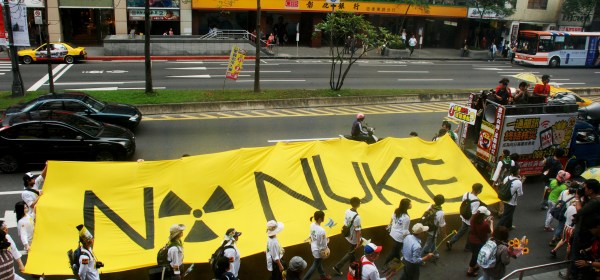
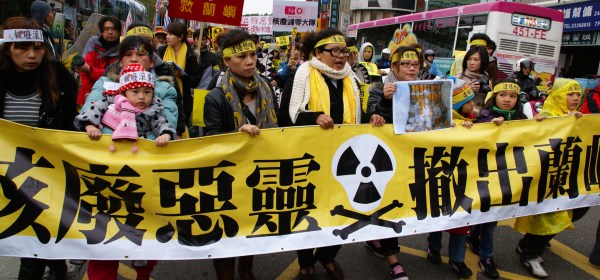
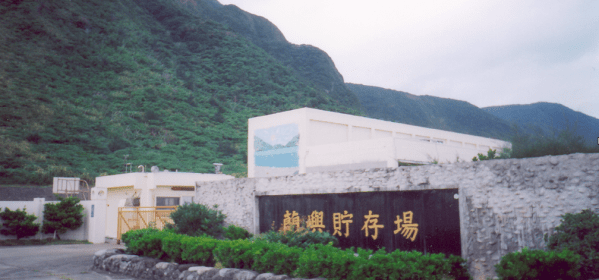
Written by Mei-Fang Fan. At the meeting of the Presidential Office Indigenous Historical Justice and Transitional Justice Committee in March 2018, the convener of the cabinet-level Fact-Seeking Committee and other committee members urged the government to formulate compensation regulations as soon as possible to compensate the Tao tribe. The Executive Yuan had approved guidelines for the compensation and that a fund management board that includes residents will be established. However, Tao elder anti-nuclear activists said that the Tao tribe rejects the compensation at a protest in front of the Executive Yuan on 29 November 2019.

A Geothermal Solution to the Problems and Risks in Taiwan’s Electricity System

Written by Yeh-Tang Huang. On May 13th, 2021, Taiwan was paralysed by a national blackout. For five hours, multiple regions all over the country experienced periodic power outages that lasted for as long as 50 minutes at a time. Hundreds of people got stuck in elevators. The Central Epidemic Command Centre COVID-19 press conference that was happening was forced to end early. Traffic became a mess as traffic lights stopped working. Then on May 17th, another wave of blackout swept across the country. As disruptive as these blackouts were, they are only the tip of the iceberg.

Energy Transition in-the-Making: How Offshore Wind Energy Interacts with Local Society in Taiwan

Written by Tsaiying Lu. “Go Nuclear to go green.” Under this catchphrase, during Taiwan’s 2018 referendum, pro-nuclear activists have successfully framed green energy as “unstable” and “unmatured” electricity-generating technology. They proposed to abolish Section 1 of Article 95 of the Electricity Act, which states terminating all nuclear power plants by 2025, was passed with a 40.27% approval. The result is a significant setback not only to President Tsai Ing-Wen’s (2016-2024) energy policy, “Nuclear-Free Homeland by 2025,” but also to offshore wind energy’s (OWE) development.

1 2