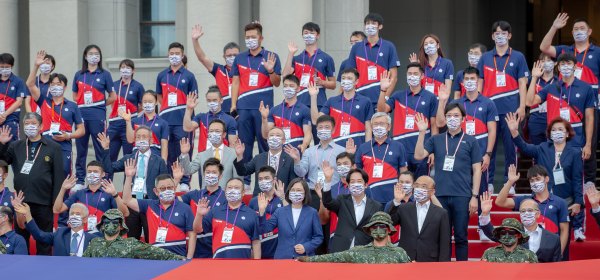
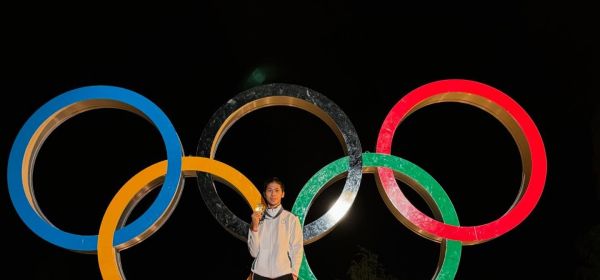
Olympics Continue to Serve as a Stand-in for Identity Contestation

Written by Brian Hioe. This article explores the way in which the Olympics served as a stand-in for contestation about national identity in Taiwan. It compares the 2024 Olympics in Paris with previous Olympics, in response to the national referendum in 2018 on the name of Taiwan’s Olympic team and growing support for the status quo and progressive political values among young people.

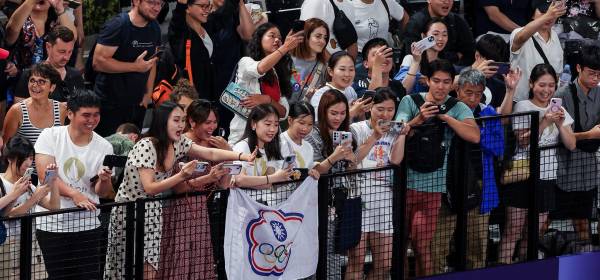
Political Implication of Olympic Formula for Taiwanese Spectators in the Stands

Written by Junwei Yu. This article highlights the political implication of the Olympic Formula of Chinese Taipei for Taiwanese spectators in the stand. The IOC regulations for spectators are relatively vague and that allow different handling of Taiwanese fans in various Olympics and sports events. This article reviews these incidents amidst increasingly assertive Taiwanese identity.

Taiwan in the Olympics: From ROC to Chinese Taipei

Written by Marcus P. Chu. This article reviews Taiwan’s journey of participation in the Olympics, from the representation of the ROC to Chinese Taipei. It highlights the Nagoya Resolution and Lausanne Agreement as fundamental to Taiwan’s participation. Such a formula is challenged by recent ongoing demands for name rectification, which raises questions about Taiwan’s future in the Olympics.

The International Community Should Follow the U.S. by Referring to Taiwan’s Missions Abroad as the “Taiwan Representative Office”

Written by Milo Hsieh. During the Olympics, Taiwan’s “Chinese Taipei” name was on display for two weeks, reminding the world that “Taiwan” remains not to be mentioned at the Olympics. That name, a less than preferred one for the people of Taiwan, was introduced in 1979 due to the Nagoya Resolution. That year, the People’s Republic of China representatives agreed to participate in the 1980 Olympics only if athletes representing Taiwan used the name “Chinese Taipei.” Though the name is today unrepresentative of the country Taiwan has become, it was nevertheless accepted by Taiwan’s Republic of China government at the time.