
Indigenous Storytelling in and Beyond the Classroom

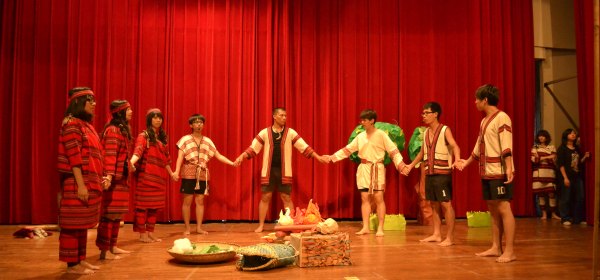
Written by Yi-Yu Lai. One afternoon in 2011, Hong-sui Lim visited a Kaxabu village due to his participation in an anthropological camp. This marked his first encounter with the Kaxabu people, one of the Plain Indigenous groups inhabiting the Puli Basins in central Taiwan. Lim was astonished by the small number of Kaxabu elders who still speak their mother tongue, as it is commonly believed that Plain Indigenous peoples have been assimilated by Han Chinese culture and have lost their own languages and traditions. As a result, Lim returned to the Kaxabu communities as an undergraduate student to learn more about their endangered cultural heritage and began collaborating with the Kaxabu people. 
Taiwanese Mountains and Plains Indigenous Peoples: Facing Different Trials, Yet the Same Fate

Written by Chen I-Chen. Is Indigeneity a self-evident category? Or is “Indigenous” defined differently by the policies and politics of each nation-state? On June 28, 2022, a constitutional review of the Supreme Court’s debate on the Indigenous Status of the “Plains” peoples (the “Pingpu,” 平埔族群) shed light on the discussion surrounding Taiwan’s national recognition of Indigenous status. The “Plains” peoples, headed by the Siraya, had fought for more than three decades to have their Indigenous status recognised under the category of the “lowland” Indigenous peoples (平地原住民)”. As a crucial result of the long struggle for the Plains peoples’ legal status, the final judgement will be declared no later than this late November.