Lai Ching-te’s Leadership on the Line in Taiwan’s Budget Standoff

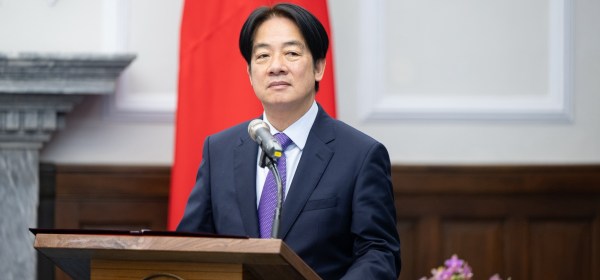
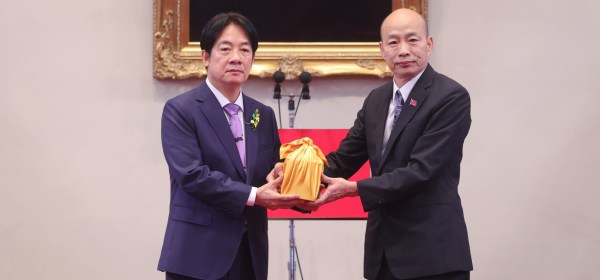
Written by Meng Kit Tang. Taiwanese President Lai Ching-te faces a critical leadership test amid a budget standoff with an opposition-controlled legislature. Key defence cuts, including Taiwan’s submarine program, raise security concerns. Lai must balance strong leadership and negotiation to avoid political paralysis. Lessons from Taiwan’s political history offer guidance for effective crisis management.

Will the Change Continue After the #MeToo Wave? Insights from the Workplaces of Politics (Part 1 Institutional Responses and Practical Effectiveness) 

Written by Sheng-Hui Tseng. The #MeToo movement in 2023 prompted revisions to gender equality laws, incorporating key changes such as broadening the scope of these laws, defining power-abused sexual harassment, and extending the timeframe for filing complaints. However, challenges in the workplace of politics persist due to deep-rooted patriarchal culture and informal power dynamics. 

How Will 2023 Gains in Transgender Rights Fair after the 2024 Elections?

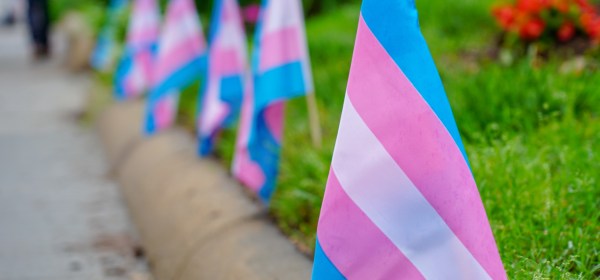
Written by Yo-Ling Chen. 2023 was a big year for Taiwan’s transgender rights movement. This article traces important legal cases regarding transgender rights in 2023, and explores how the growing public visibility of transgender issues and legal consensus around the need to abolish compulsory surgery for changing one’s legal gender play in the aftermath of the 2024 elections.

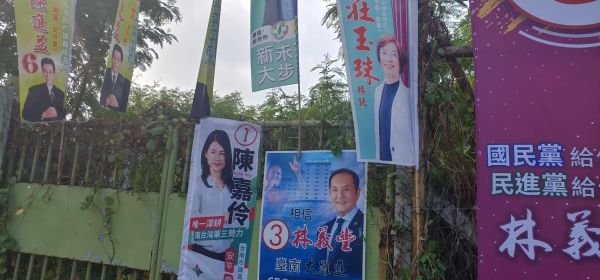
Election win for the DPP, but a split legislature 

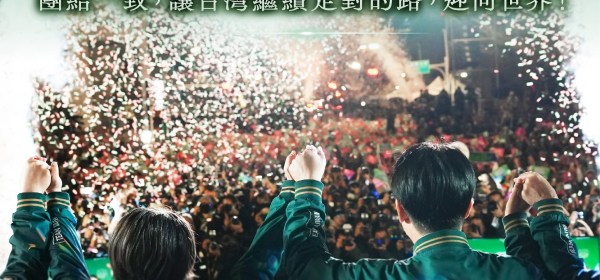
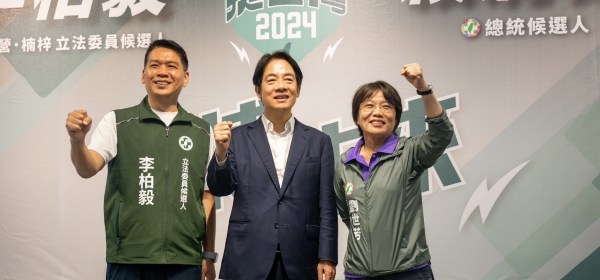
Written by Gerrit van der Wees. After a hard-fought campaign, the DPP candidate “William” Lai Ching-te and his running mate Hsiao Bikhim emerged victorious in Taiwan’s presidential election race with 40.1 % of the vote. They were elected Taiwan’s President and Vice-President respectively. The total turnout was 71.8% of the eligible voters, a bit lower than the 74.9% in the 2020 elections. The main opposition candidate in the three-way race, Messrs. Hou Yu-ih of the Chinese Nationalist Kuomintang Party, and his running mate, pro-China media personality Jaw Shaw-kang, received 33.5% of the vote, while Mr Ko Wen-je of the Taiwan People’s Party (TPP) and his running mate Cynthia Wang, came in a respectable third with 26.5% of the vote.

Why is there so little policy debate in Taiwan’s presidential campaigns?

Written by Gunter Schubert. Taiwan is gearing up for another round of national elections, scheduled for next January. As always, media coverage of election campaigns focuses on the presidential aspect of the national ballot, as this is where elections become most personalized. This is the essence of Taiwanese political culture. All politics becomes personal, involving interactions between candidates and voters, particularly at the local level.

#MeToo Movement in Taiwan: Reconfiguring the Intimate Life

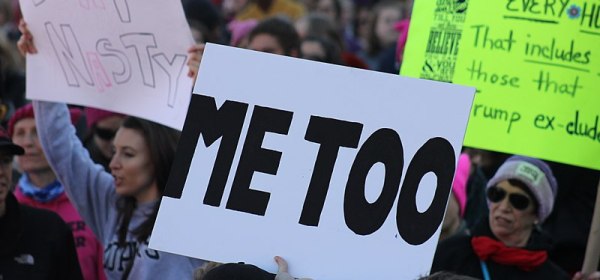
Written by Mei-Hua Chen. #MeToo movement has been claimed as a global movement that connects women in the global North and the global South. Nonetheless, the MeToo movement must always confront various local social, economic, and cultural relations when it spreads across the globe. It also demands social, legal, and even material infrastructures to materialise. Global South countries that fail to deliver the MeToo movement might relate to the lack of efficient internet infrastructure and the taboo of talking about sex in public (e.g. Bangladesh), freedom of speech (e.g. China), or severe social stratification such as India in which the MeToo movement only circulated among the rich and well-educated elite women.

Wave Makers on Netflix: A Vision of Taiwanese Politics Not ‘Amid Tensions’  

Written by Chieh-Ting Yeh. “Wave Makers” (2023; ​人選之人-造浪者​) is a new drama on Netflix about political staffers trying to win a presidential election in the last few months of the campaign. This may sound like the premise of many television shows in the political intrigue genre, but it is the first of its kind from Taiwan to be available to a worldwide audience. The drama addresses various political issues relevant to contemporary Taiwan, including environmental concerns, energy policies, and workplace sexual harassment, reflecting the ongoing public debates on these topics. But it is glaring in what it is missing: Taiwan-China relations.

Transformation of Women’s Status in Taiwan, 1920-2020

Written by Doris T. Chang. Among all the gains made by Taiwanese women in the past century, achieving leadership roles in the political arena is perhaps Taiwanese women’s greatest achievement. During the Japanese colonial era, women had no right to vote. However, after lifting martial law in 1987, Taiwan emerged as a vibrant democracy. Due to political parties’ commitment to nominating more qualified women candidates for elections in the late 1990s and after that, the percentage of women elected to Taiwan’s Legislative Yuan reached 42 per cent in 2020 — the highest in Asia. This is equivalent to the percentage of women legislators in most Scandinavian countries. But Taiwanese women’s achievement in the political arena would not have been possible without making significant progress in their educational attainment throughout the twentieth century.

1 2 3 6