As Japan’s Relations With China Grow More Distant, Relations With Taiwan Improve

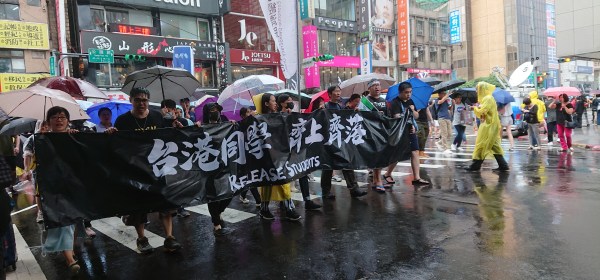
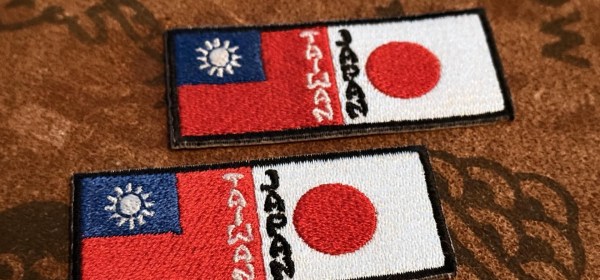
Written by Aleksandrs Gross. This article analyses recent Taiwan-Japan solidarity amid tensions between Japan and China. It captures how widespread and deep mutual support is at the grassroots, people-to-people level in both countries. The current tense political climate has only deepened the friendship between the two peoples. This benefits Taiwan and puts China in a tricky position.

“Be My Guest”: How Taiwan Is Using Social Media Influencers for International Engagement

Written by Chiaoning Su. This article discusses how Taiwan is leveraging social media influencers for nation branding as part of its public diplomacy efforts. While current initiatives effectively promote Taiwan’s democratic values and openness, the government needs to address several key issues, such as defining a clear target audience, fostering bottom-up partnerships with foreign influencers, and navigating geopolitical challenges.

The Digital Evolution in Taiwan and Japan: Implications for Political Communication

Written by Tommy Hall and Margaret Siu. The digital era has revolutionised political communication, with profound effects in Asian democracies, notably Japan and Taiwan. This exploration delves into the intricacies of how political entities in these countries harness digital platforms. It aims to unpack the varied strategies they employ, the challenges they confront, and the opportunities they seize within the digital realm. Our analysis will not only highlight the distinct tactics and responses shaped by each country’s unique cultural, legal, and historical contexts but also examine the broader implications these digital transformations hold for political engagement and democratic discourse in the region.

Unveiling Contemporary Taiwan Identity: What Lesson can we Learn from Dcard’s Responses on the Hong Kong Immigration Wave?

Written by Cheuk Kwan Lau. In January 2023, a BBC news article brought attention to the challenges faced by Hong Kongers who migrated to Taiwan. The news pointed out that Hong Kongers who migrated to Taiwan face institutional obstacles when applying for citizenship. Immigration laws in Taiwan were claimed to be outdated. The migrated Hong Kongers could legally inhabit Taiwan, yet they did not enjoy citizenship and civil rights.  

Instead of exploring the various institutional obstacles they face, this article takes a unique approach by examining the perceptions of the Taiwanese young generation regarding the influx of Hong Kong immigrants. It aims to uncover the contemporary Taiwanese identity constructed by this demographic, previously seen as a strong ally of Hong Kong protestors during the 2019 Anti-Extradition Law Movement.

A Sketch of Taiwan’s Digital News Media Landscape in the Twenty-first Century

Written by Ming-yeh T. Rawnsley; Yuan-hui Hu; Victoria Y. Chen; and Lihyun Lin. Crowdfunded journalism is no longer unfamiliar to Taiwanese people who care about the media ecosystem. Although journalism in Taiwan has been challenged by the powerful influences of political and business alliances in the news industry and the constant impact of ever-changing technological advances, crowdfunded journalism has provided a fresh possibility and lent financial assistance to independent media organisations and citizen journalism. All these undoubtedly positively affect the reconstruction of Taiwan’s news and media industry.

President Tsai’s Celebrity Marketing

Written by Hsin-I Sydney Yueh. On November 13, 2021, NBA player Enes Kanter posted a Twitter message, stating that Taiwan is “not a part of China”; this particular video elicited a warm-hearted response from Taiwan’s President Tsai Ing-wen. She said, “Thank you, Enes, for standing with Taiwan and standing up for democracy.” Kanter quoted Tsai’s reply and said he wanted to “meet the brave people of Taiwan.”