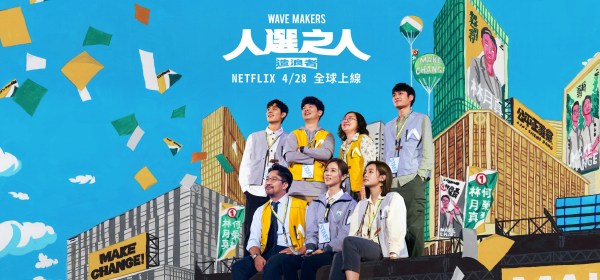
When the Waters Rose, So Did Taiwan’s People

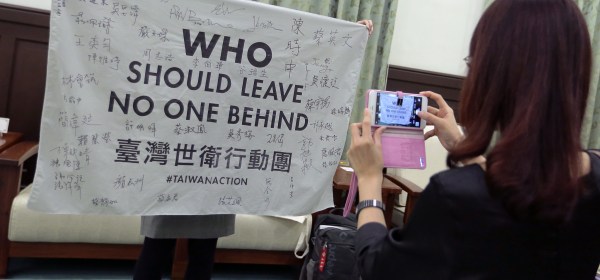
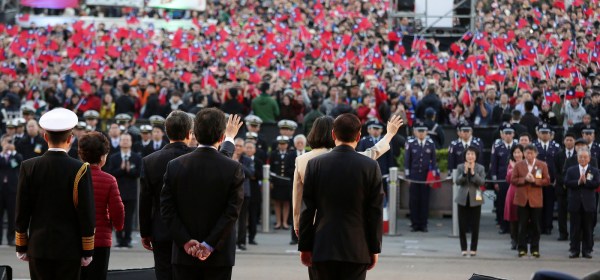
Written by Meng Kit Tang. This article reflects on Taiwan’s remarkable civic response to the 2025 Hualien floods, where thousands of volunteers, faith groups, and ordinary citizens mobilised overnight. The essay ultimately suggests that Taiwan’s story offers lessons not just for its own politics, but also for neighbours and rivals alike: that true strength and attraction emerge not from control, but from authenticity.  
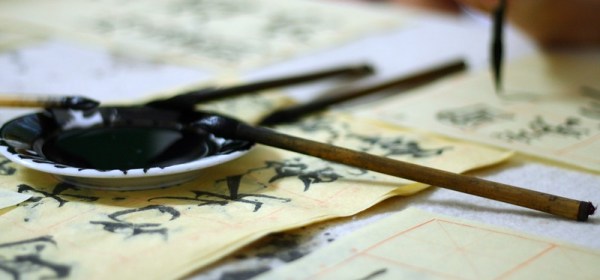
Mandarin Soft Power with Taiwanese Characteristics: Values, Visibility, and Challenges

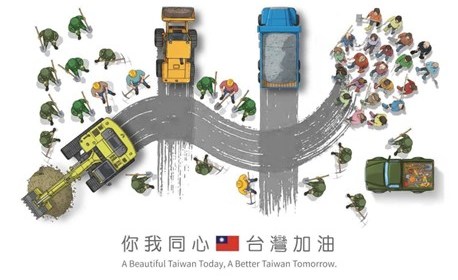
Written by Elaine Chung and Qipeng Gao. This article examines Taiwan’s efforts to promote Mandarin education abroad as a tool of soft power, particularly in the UK. Drawing on student interviews, it explores how political values, language ideologies, and structural constraints shape learners’ choices. It offers insight into how Taiwan can strengthen its visibility and appeal in global language education.

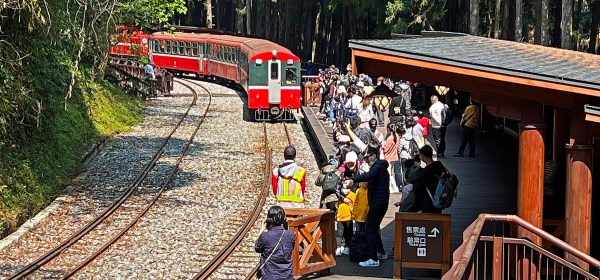
Diplomacy on Rails: Strengthening Taiwan-Japan Relations Through Railway Culture

Taiwan and Japan use railway diplomacy to strengthen cultural and technological ties through heritage preservation, tourism, and smart rail innovation. Unlike China’s debt-driven projects, their approach prioritises sustainability and soft power. Expanding collaborations into Southeast Asia and integrating AI-driven rail systems will enhance their influence in the Indo-Pacific region.

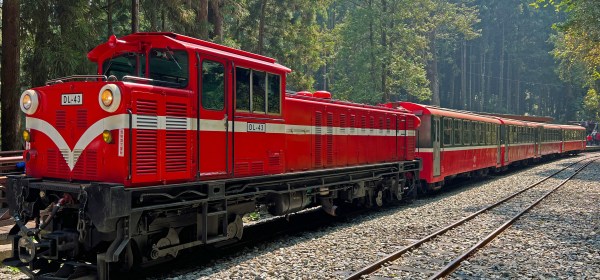
Tracks of Influence: How Taiwan’s Railway Heritage Fuels Soft Power

Written by Tang Meng Kit. Taiwan’s railway heritage, originating from its Japanese colonial past, has transformed into a vibrant symbol of soft power. Through thoughtfully curated museums, cultural events, and international collaborations, particularly with Japan, Taiwan weaves history and innovation into a compelling narrative. This approach not only nurtures cultural exchange and tourism but also reinforces Taiwan’s resilience and evolving national identity on the global stage.

Leveraging Cultural Exports for Resilience: Insights from Taiwan and South Korea

Written by Tommy Hall and Margaret Siu. Global discussions about Taiwan often focus on an invasion scenario, and many observers wonder if Taiwan is adequately preparing for war. These discussions often dissect Taiwan’s hard power—military and economic factors that may dissuade Beijing. However, soft power is crucial in conflicts between imbalanced parties. Current discussion would benefit from diversifying outside hard power calculations and examining Taiwan’s soft power. Taiwan should apply lessons from South Korea’s model to bolster its ability to co-opt global support. Describing Taiwan’s soft power vision and comparing both nations’ top-down cultural promotion efforts is helpful.

President Tsai’s Celebrity Marketing

Written by Hsin-I Sydney Yueh. On November 13, 2021, NBA player Enes Kanter posted a Twitter message, stating that Taiwan is “not a part of China”; this particular video elicited a warm-hearted response from Taiwan’s President Tsai Ing-wen. She said, “Thank you, Enes, for standing with Taiwan and standing up for democracy.” Kanter quoted Tsai’s reply and said he wanted to “meet the brave people of Taiwan.”

A Taiwanese Soft Power?

Written by Nissim Otmazgin. Now that Taiwan has largely shed its Cold War KMT image and has gone through a democratisation process, it can project itself as a peaceful, prosperous, and above all, democratic country that might be a good ally for pro-democracy forces across the region? Given its regional setting in Northeast Asia, how does Taiwan tap into surrounding soft power competition and promote an international agenda? 

The Youth Ambassadors and Taiwan’s Performative Cultural Diplomacy: “Some of the dancing, yeah, I don’t really understand [it]”

Written by Jess Marinaccio. Attention to cultural representation is critical to creating a more equitable Taiwan, especially given Taiwan’s settler-colony status. However, problems of cultural (mis)representation focus the Taiwan’s Youth Ambassadors project on the domestic sphere, suggesting that culture is an ineffective tool in Taiwan’s foreign affairs.

Beijing’s Rise and Taiwan’s Decline in Africa: What Does the African University Tell Us?

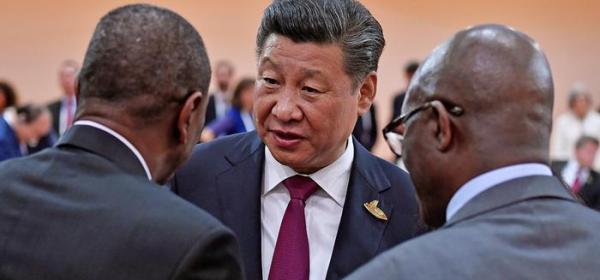
Written by Tobi Oshodi. China has positioned itself among many African leaders as the most strategic player on the continent; a leading development partner. As the former Senegalese President, Abdoulaye Wade, bluntly put it: a one hour meeting with former Chinese President Hu Jintao in the executive suite of his hotel in Berlin was more useful than the G8 meeting “where African leaders were told little more than that G8 nations would respect existing commitments.”