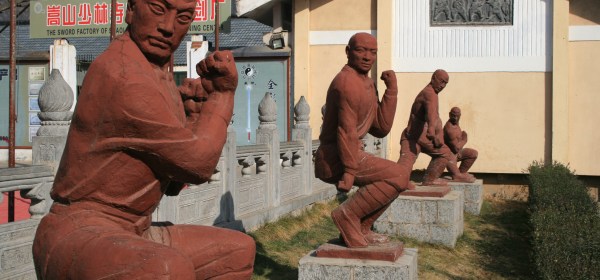
Fists of Identity: How Martial Arts Reflect the Complex Ties Between Taiwan and China

Written by Mark Gerard Murphy. This article reflects on the intersection of Chinese martial arts and nationalism in both Taiwan and Mainland China. It demonstrates how martial arts were closely tied to nationalist sentiments in different periods of history of both, but each followed distinct paths of development that reflected their respective cultural pride and national identity.
“Chinese Taipei” or “Team Taiwan”? Exploring Sport and National Identity in Contemporary Taiwan

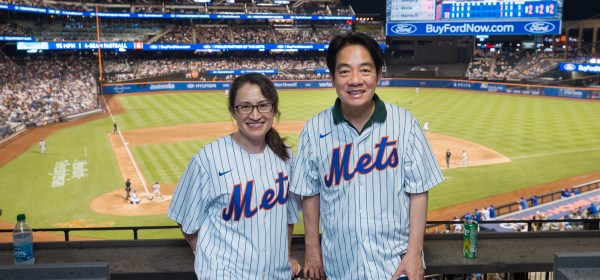
Written by Daniel Yu-Kuei Sun. This article explores the usage of two terms representing Taiwan’s national team, “Team Chinese Taipei” or “Team Chunghwa” and “Team Taiwan”. It observes a gradual shift in traditional media outlets and social media platforms to use the latter. This identity was best articulate in baseball as it is a uniquely Taiwanese sport with marginal presence in Mainland China.

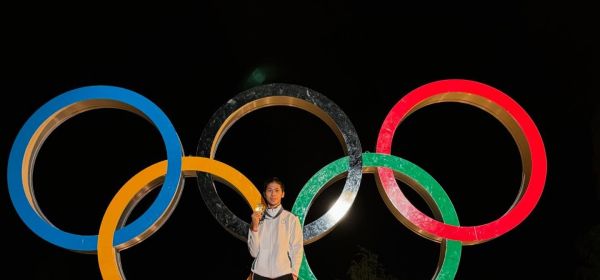
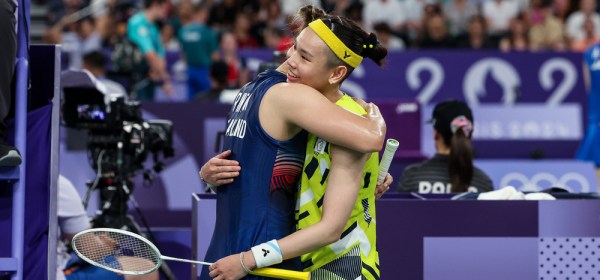
Olympics Continue to Serve as a Stand-in for Identity Contestation

Written by Brian Hioe. This article explores the way in which the Olympics served as a stand-in for contestation about national identity in Taiwan. It compares the 2024 Olympics in Paris with previous Olympics, in response to the national referendum in 2018 on the name of Taiwan’s Olympic team and growing support for the status quo and progressive political values among young people.

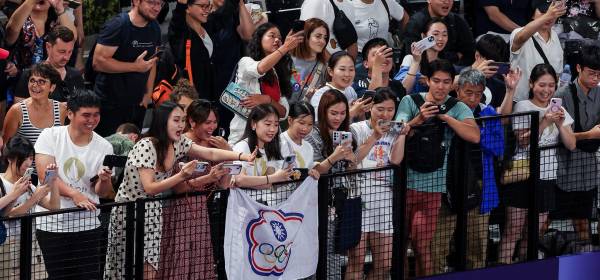
Political Implication of Olympic Formula for Taiwanese Spectators in the Stands

Written by Junwei Yu. This article highlights the political implication of the Olympic Formula of Chinese Taipei for Taiwanese spectators in the stand. The IOC regulations for spectators are relatively vague and that allow different handling of Taiwanese fans in various Olympics and sports events. This article reviews these incidents amidst increasingly assertive Taiwanese identity.

Taiwan in the Olympics: From ROC to Chinese Taipei

Written by Marcus P. Chu. This article reviews Taiwan’s journey of participation in the Olympics, from the representation of the ROC to Chinese Taipei. It highlights the Nagoya Resolution and Lausanne Agreement as fundamental to Taiwan’s participation. Such a formula is challenged by recent ongoing demands for name rectification, which raises questions about Taiwan’s future in the Olympics.

Pigeon Racing and Pigeon Racers: skills, strategy, ethics

Written by Ya-Chign Huang. Pigeon racing is a historically national sport in Belgium and the Netherlands, the main export countries of racing pigeons for Taiwanese fanciers. While pigeon racing is usually described as the working-class horserace in the United Kingdom, Taiwanese pigeon racing draws participants from all walks of life, including farmers, vendors, civil servants, blue and white-collar workers, and business owners. Pigeons were a common playmate for older participants’ childhood in the 1950s to 1970s when the races were institutionalized.

Enhancing Physical Activity Levels through Government-led Sports Promotion for Children: A Taiwanese Case

Written by Yu-Ling Chen and Ren-Shiang Jiang. Although the term “physical activity” has been recently introduced to Taiwan in the last decade, the policies of exercise and sports promotion have existed for a long time. While competitive youth sports remain relatively stable in Taiwan, the message from the government is clear: sport and exercise cannot just be an activity for elite athletes, but everyone living in Taiwan.