The Rise and Exclusion within Multicultural Discourses of Immigrant Integration in Taiwan

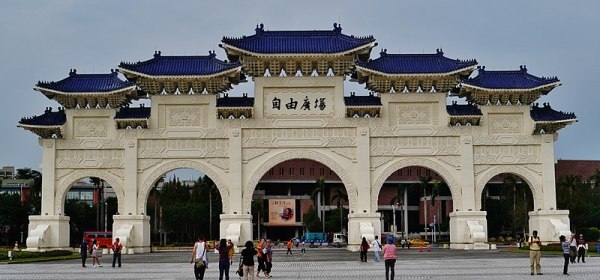
Written by Chien-Ping Liu. This article examines how transnational marriage migration has reshaped Taiwan’s demographic and civic landscape since the 1990s. It traces the shift from stigmatisation to multicultural recognition through grassroots advocacy and state developmental agendas. While bottom-up movements advanced inclusion, state-led multiculturalism often instrumentalised difference, reproducing class, gender, and geopolitical hierarchies within Taiwan’s immigrant integration discourse.
Of Swallows and Nests: The Migration Trajectories of Kinmen’s Wartime Generation and Their Return Home

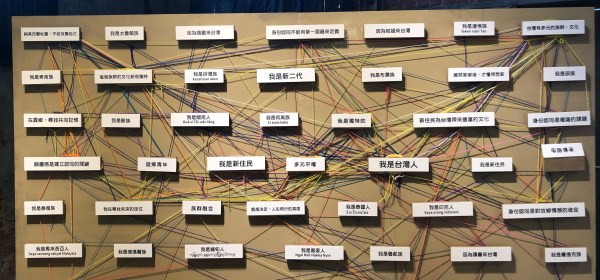
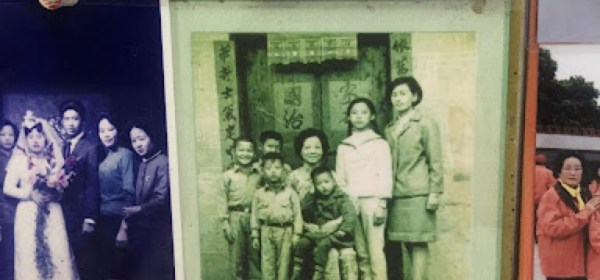
Written by Junbin Tan. This article traces the Lin family’s multigenerational migration from wartime Kinmen Island to Southeast Asia and beyond. Anchored in an ethnographic encounter with Grandma Lin and her family, the author follows the Lins’ migratory trajectories of departure, separation and eventual return, revealing how Kinmenese mobility was shaped by political restriction, economic necessity, and the moral economies of kinship.

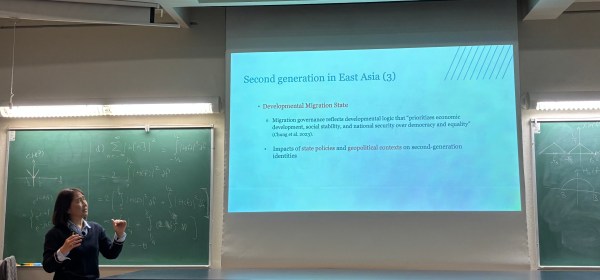
Navigating Taiwanese Identity: Second-Generation Multiculturalism in Conversation with Dr Pei-Chia Lan

Written by Rose Kuo and Rachel Levine. The article is the first in this special issue in collaboration with the Center for Taiwan Studies (CTS) at the University of California, Santa Barbara. It recapitulates a talk by Dr. Pei-Chia Lan, hosted by CTS. Focusing on children of immigrant marriage migrants and their children, Dr. Lan examines identity struggles, social stigma, and geopolitical impacts. Her research highlights Taiwan’s evolving multicultural landscape and advocates for inclusive policies that support immigrant families and promote societal integration.

Has Taiwan Escaped Nostalgia for Authoritarian Times? Taiwan and Regional Comparisons

Written by Brian Hioe. Contemporary Taiwan is often hailed as a beacon of democracy in the region. Namely, Taiwan today holds free and fair elections after transitioning from its authoritarian past, which saw a history of one-party rule by the KMT. In various indexes of democracy, Taiwan usually scores highly regarding freedom of the press, speech, and expression. Part of the reason why Taiwan scores highly in contemporary indexes of democracy may be to differentiate Taiwan from China at a time of rising tensions between Western powers and China, raising questions about whether this proves a way that the Cold War framing of “free China” has subtly made a comeback. The underlying pressure to differentiate Taiwan from China has always been a substrate of Taiwan’s modern politics, whether in the present or in authoritarian times.