Growing but Still Constrained

Written by Aleksandrs Gross. This final piece of the special issue reflects on the challenges and approaches to studying Taiwan for the scholars interviewed. Despite the lack of institutionalised academic pathways and fragmented funding compared to other regional studies, there are approaches that, while not guaranteeing academic success, do significantly increase one’s chances of making a passion for Taiwan academically viable.

Researching Taiwan by Avoiding the Taiwan Gaze

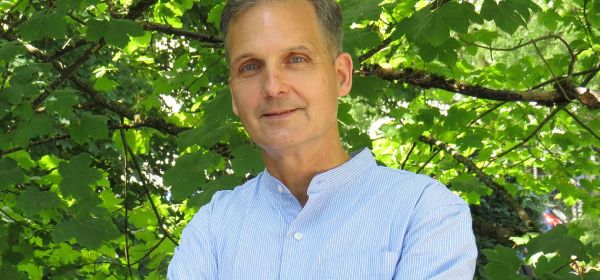
Written by Aleksandrs Gross and Gunter Schubert. Gunter Schubert believes that maintaining some distance from the object of inquiry is sensible for analytical clarity and intellectual independence. The field of Taiwan studies cannot be a discipline in and of itself; it must span disciplines. Reflecting on his own academic journey, he believes that an academic career cannot be planned and that each step is valuable.

Defining Taiwan Studies

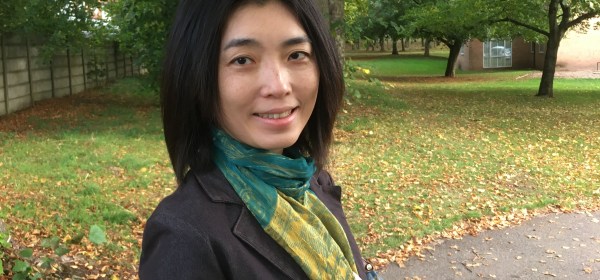
Written by Aleksandrs Gross. Chun-yi Lee’s path into Taiwan Studies was the result of following research questions that matched her interests and skills. She chose to study the island from the outside within a specific academic discipline. As the director of the Taiwan Research Hub at Nottingham University, she sees herself as a communicator, sharing what she knows, and as a facilitator, encouraging others to explore further.

Chance Encounters

Written by Aleksandrs Gross. Prof. Niki J.P. Alsford’s journey into the field of Taiwan studies was the result of a series of interests, each of which brought him a little closer to Taiwan. He remains optimistic about the future of Taiwan studies in offering cultural intelligence beyond surface familiarity, and also believes that remaining open, and saying yes to all opportunities is crucial for aspiring scholars.

Following Interests, Forging a Field: The Career of Ming-yeh Rawnsley

Written by Aleksandrs Gross. Today, Ming-yeh Rawnsley is one of the foremost authorities on Taiwanese language cinema, the founder of the International Journal of Taiwan Studies (IJTS), and the former Secretary-General of the European Association of Taiwan Studies (EATS). However, her career was driven by her interests, leading her to break conventional academic paths and combine specialisations creatively.

The Emergence of the Taiwan Studies Movement

Written by Aleksandrs Gross. This second article on Professor Dafydd Fell explores the defining experiences of his career in a more institutional context. In particular, the establishment of the European Association of Taiwan Studies, and the development of the Taiwan Studies Centre and the Taiwan Master’s programme at SOAS. This article concludes with advice for those starting out and key takeaways.

The Wrong Place at the Right Time

Written by Aleksandrs Gross. Over the past two decades, Taiwan Studies has emerged in Europe as a rigorous and independent field. Examining the experiences of the field’s most influential scholars offers valuable insight. This first article examines the career of Professor Dafydd Fell, from his early experiences studying Taiwan by accident to his role in bringing Taiwan studies to Europe.

Mapping Taiwan, Mentoring Generations: Remembering Professor Murray Rubinstein 

Written by Professor Niki J.P. Alsford. Professor Murray Rubinstein significantly advanced Taiwan Studies, advocating for the island’s recognition as a distinct field of study. He resisted easy binaries. Instead, he traced the layered textures of Taiwanese society, showing how they intertwined in ways that demanded careful, nuanced attention. Professor Rubinstein’s legacy endures through his contributions, guidance, and the academic community he nurtured, emphasising the importance of thoughtful scholarship.

TAP as Ecosystem: Research, Exchange, and Editorial Work – Two personal perspectives on engaging Taiwan through scholarship 

Written by Written by Felix Brender and Julian Vetterlein. The article reflects on TAP’s role in building a Taiwan Studies research ecosystem through travel grants, student engagement and interdisciplinary exchange. Through the perspectives of two research assistants, it shows how TAP supported full research cycles, international collaboration, policy dialogue and sustained academic interest in Taiwan beyond traditional funding structures.

Working Across Differences: NATSA and 30 Years of Community-Building

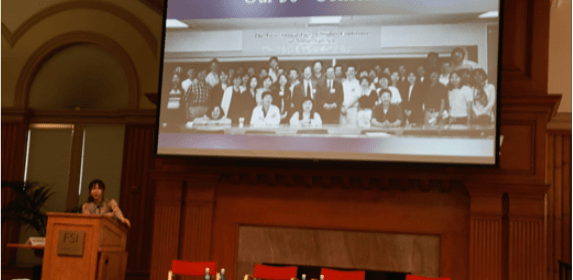
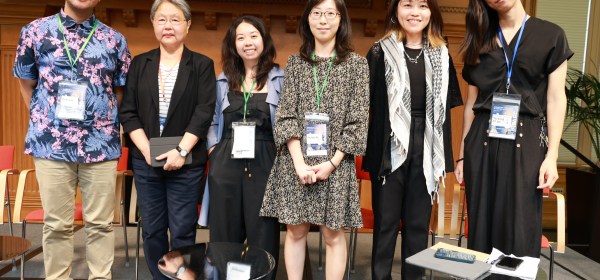
Written by Ting-Sian Liu and Yi-Ting Chung. This article reflects on the NATSA 2025 Closing Forum, honoring 30 years of community-building. Invited scholars offered critical feedback on NATSA’s history, its shift from politics toward decoloniality, queerness, and care, and the conference’s “otherwise” theme. The discussion emphasised activist-driven scholarship and collective labour as acts of care and solidarity for the future of Taiwan Studies.

NATSA 2025 Opening Forum: Otherwise Relations between Taiwan and Southeast Asia

Written by the NATSA 2025 Programme Committee. This article shares the NATSA 2025 opening forum, “Otherwise Relations between Taiwan and Southeast Asia.” Adopting an “otherwise,” the forum challenges nationalistic views by centring Taiwan’s ongoing entanglements with Indigenous solidarity, migration, gender economics, human rights, and more, urging a new approach to Taiwan Studies.

First Round of Early Career Scholars Workshop on Taiwan Studies: Reflections of the Organisers 

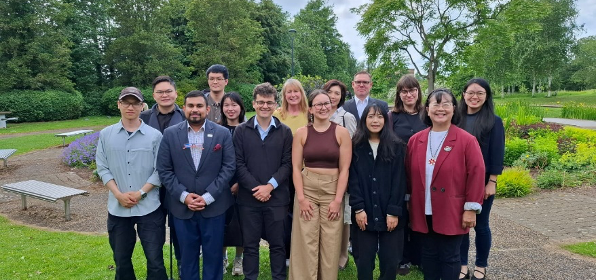
Written by Raian Hossain & Ping-An Wei. This article offers a reflection on the motivations behind organising the first Early Career Scholars Workshop on Taiwan Studies, the key achievements of the event, and the broader vision of establishing an Early Career Scholars Network under the Taiwan Research Hub. The organisers highlight how the workshop created opportunities for interdisciplinary exchange, professional development, and long-term community building among emerging scholars in the field.

1 2 3