Going for Low-Hanging Fruit, Deliberate Strategy, or Path Dependency?: Liz Truss’ Visit to Taiwan

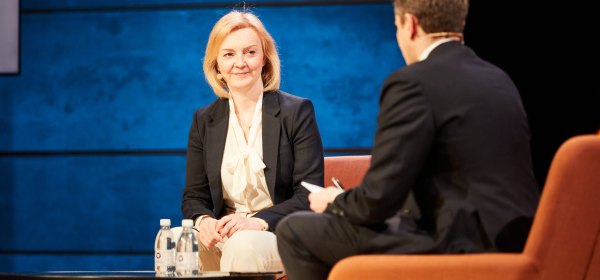
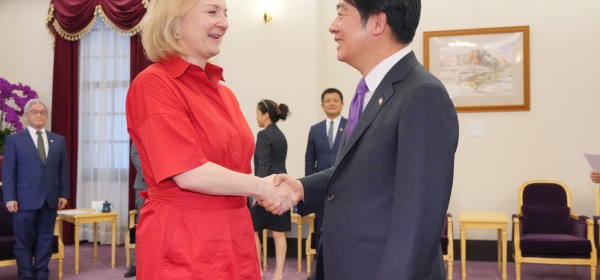
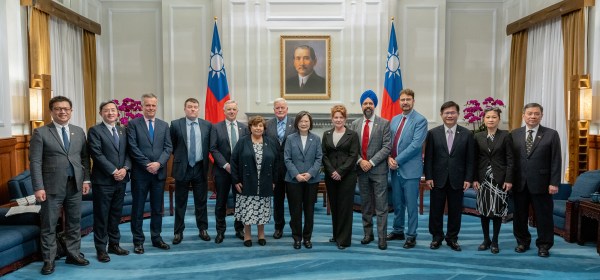
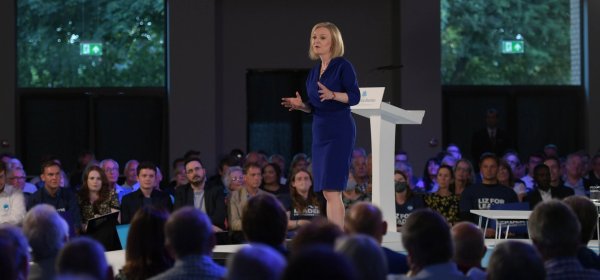
Written by Brian Hioe. Former UK prime minister Liz Truss arrived in Taiwan on May 16th for a five-day visit. Truss’ main purpose in visiting was to give a speech at the invitation of the Prospect Foundation, a think tank close to the Tsai administration. In addition, Truss met with President Tsai Ing-wen, Vice President William Lai, and other high-ranking officials.

Truss Visits Taiwan: Worth or Trouble?

Written by Huynh Tam Sang and Phan Van Tim. Liz Truss’s journey is in the limelight as the first ex-British prime minister to set foot in Taiwan nearly thirty years after Margaret Thatcher’s visits in the 1990s. Nonetheless, the worth of Truss’s five-day sojourn is a contentious issue. From one perspective, Truss’s visit is deemed immensely significant, exemplifying the UK’s unwavering backing for Taiwan amidst escalating Chinese pressure, given her enduring advocacy for a democratic Taiwan. But, conversely, others argue that her visit merely inflamed the already high-strung tensions between China and Taiwan.

An Instagram comeback tour or a sincere bid to strengthen democracy in East Asia? Liz Truss’s Taiwan visit exposes growing Conservative Party tensions over China, but either way, Taiwan still wins.

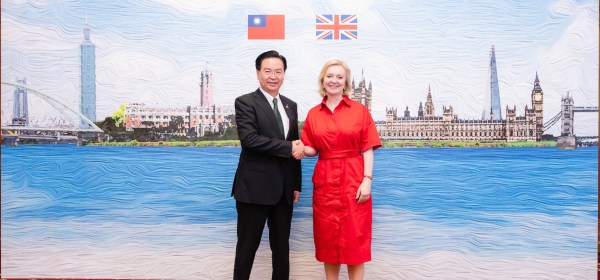
Written by Max Dixon. Liz Truss, MP for South West Norfolk and British Prime Minister for 44 days, visited Taiwan last week, between May 16th and May 20th, meeting with senior officials, including William Lai, the frontrunner to replace current President Tsai Ing-wen, and giving a keynote speech to the Prospect Foundation that called for a more stringent British approach to China. Ostensibly the visit of a former Prime Minister has been heralded as a coup for Taipei in emboldening the position of Taiwan in the global imagination amidst growing Chinese assertiveness; indeed, the Ministry of Foreign Affairs has welcomed Truss’ visit.

Recognising the ‘Taiwan Issue’: Analysing the Impact of the UK Government’s Integrated Review Refresh

Written by Max Dixon. The British Government’s ‘refreshed’ foreign policy document, released in March 2023, emphasised the increasing parallels drawn between the plight of Ukraine amidst Russian aggression and the threat posed to Taiwan by increasing Chinese assertiveness. The Integrated Review Refresh 2023, the first clear enunciation of British Prime Minister Rishi Sunak’s foreign policy approach, sought to revise the 2021 Integrated Review. The Refresh formally recognises tensions in the Taiwan Strait for the first time in British foreign policy yet addresses Taiwan with a degree of tentativeness that will necessitate greater clarity in the future.

Opportunities abound to ram up UK-Taiwan relations

Written by Huynh Tam Sang and Phan Van Tim. By and large, there are ample opportunities for the UK and Taiwan to deepen their relationship, given Taiwan’s geopolitical importance and rising prominence as a robust democracy and resilient economy. Moreover, should London genuinely devote its time and energy to pushing its “Indo-Pacific Tilt”, engaging with Taiwan would benefit London as it helps the great power establish a firm footprint in the area while demonstrating the country as a responsible stakeholder in the region.

Truss or Sunak? The next British prime minister and policy toward Taiwan

Written by Michael Reilly. It is almost a truism to say that the UK’s policy on Taiwan is dictated by, and subordinate to, its policy towards China. All too frequently, ‘support’ for Taiwan is little more than a reaction to Chinese behaviour or actions, and it is rarely based on the intrinsic merits of engaging with Taiwan for the benefits that doing so will bring. So, Taiwan ought to feel pleased by recent opinion polls, which confidently predict Liz Truss becoming the next British prime minister on 5th September. Among her backers within the Conservative party are some prominent ‘China hawks,’ notably former party leader Sir Iain Duncan-Smith and chair of the House of Commons Select Committee on Foreign Affairs, Tom Tugendhat.

How a Discursive Shift Signals the Presence of a New Liberal, Progressive Taiwan in British Foreign Policy Conceptions

Written by Max Dixon. A debate in the House of Commons on February the 10th saw the emergence of a qualitatively divergent discourse on Taiwan within British politics. The motion, which all parties support, saw Alicia Kearns MP calling for tangible action from the government on UK-Taiwan relations. However, more important than the specific requests made was the nature of the debate and the language used within it to address Taiwan’s relationship to the UK and China.

Brext Conference 2019: Europe and East Asia after Brexit

Written by Chun-yi Lee. Does Brexit impact Taiwan? The answer is, yes. Rather than repeat the tired cliché of ‘this is a globalised world’, I will instead ask our readers to think deeper about the interconnectivities of supply chains, the mobility of human talent in the innovation and high education sectors, and cross-regional trading agreements such as the TPP and CPTPP. If one considers all these different elements, Brexit certainly impacts on Taiwan and East Asia as a whole.

1 2