TSMC: The Enduring Silicon Shield of Taiwan’s Economy

Written by Min-Hua Chiang. This article argues that the TSMC will continue to be Taiwan’s silicon shield, despite its US$100 billion investment pledge in the US, as most of the more advanced chips will be fabricated in Taiwan. That is also why Taiwan faces challenges from the US tariff threat in the near term. TSMC remains Taiwan’s best chip in its negotiations with the US.

Taiwan’s Semiconductor Industry in the “Chip Wars” Era 

Written by Gunter Schubert. Taiwan’s security is largely determined by the government’s ability to promote the resilience of Taiwan’s high-tech industries, especially semiconductors, to ensure their international competitiveness and crisis resilience. Based on this fact, this article raises two subsequent questions: what strategies are the Taiwanese semiconductor industry pursuing to secure its technological edge and markets in the new global power constellation? And what is the Taiwanese government doing to strengthen the country’s economic security, which arguably depends essentially on maintaining Taiwan’s leading position in the global high-tech industry over the long term? 

Semiconductor industry: a shield to Taiwan or the source of insecurity?

Written by Guo-Huei Chen and Ming-En Hsiao. That is why Taiwan’s semiconductor industry is a key element in the strategic competition between the United States and China in science and technology. Losing Taiwan is equivalent to losing the power to speak in future innovative technology. Neither the United States nor China can afford the consequences of losing Taiwan’s semiconductors.

Taiwan’s Perfect Storm: Covid Spikes, Water Shortages, and Power Outages

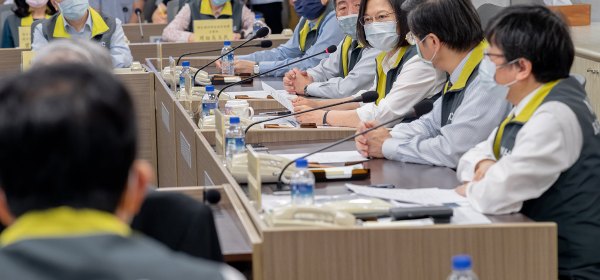
Written by Denis Simon. In early 2021, Taiwan’s health care system was ranked number one globally for the third year in a row by NUMBEO’s Annual Online Survey. Its overall performance buoyed the island’s ability to consistently earn such a high ranking during the first 12-14 months of the Covid-19 global pandemic beginning in 2020. Taiwan officials initially were able to ward off any significant damage from the pandemic by pursuing a highly aggressive strategy to keep the virus at bay. While other international rankings, such as the World Index of Healthcare Innovation, do not rank Taiwan as number one in its rating system, there is consensus across the board internationally that the government has proven itself highly effective at managing its single-payer health care system, mainly due to its innovative approach to digital health records.

Taiwan and the Pandemic: Impact on Businesses and the Economy

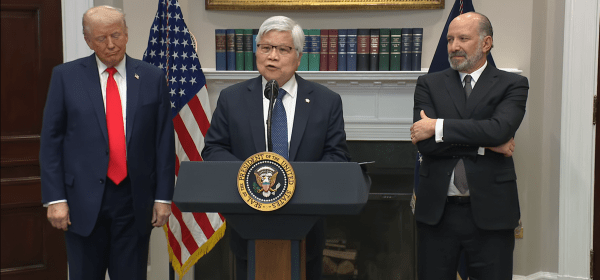
Written by Lotta Danielsson. For the first year of the COVID-19 pandemic, Taiwan served as a brilliant example of how best to handle the crisis. Leaning on its experiences during the 2003 SARS epidemic, Taiwan received glowing reviews for its protective measures. Stories about long stays in quarantine hotels and the vigilant surveillance of arriving travellers spread widely online. Donations of high-quality protective gear served as public relations opportunities, culminating with “Made in Taiwan” facemasks worn at the White House. Photos from a crowded live concert in Taipei elicited envy from those still in semi-lockdown elsewhere.

Cross-Taiwan Strait Economic Relations in Times of Uncertainty

Written by Tse-Kang Leng. Taiwan is now facing increasing pressure to adjust its cross-strait economic policies. In her second inaugural address on May 20 of this year, Taiwanese President Tsai Ing-wen re-emphasised the importance of Taiwan’s strength in the semiconductor and ICT industries, and she also urged the country to secure a central role in global supply chains. In order to cope with current global uncertainties, more substantial state intervention to consolidate economic security will become the new normal.

The Repositioning of Taiwan in the Global Supply Chain Network

Written by Min-Hua Chiang. The relocation of Taiwanese outward direct investment (ODI) away from China is a clear sign of the shifting global business landscape. The cross-strait division of labour in manufacturing production has started to fade after China’s wage hike, industrial upgrading as well as stricter rules on the environment and labour protection. Taiwan’s ODI in China has declined visibly after 2012.