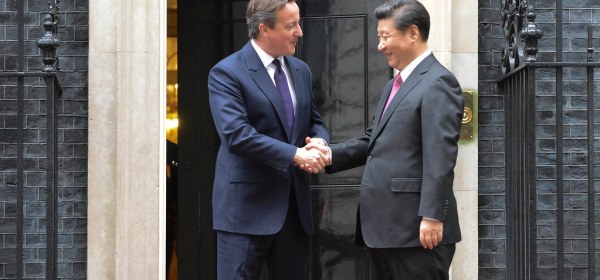
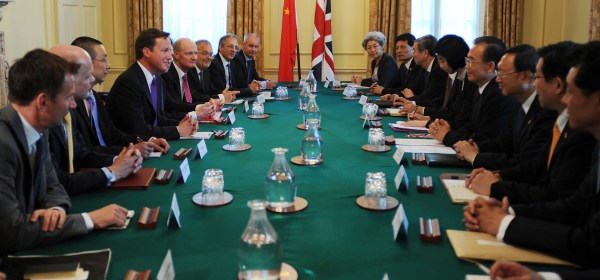
Continuity More Likely Than Change, but Questions Remain About Labour’s Approach to Taiwan

Written by Gray Sergeant. Although continuity is likely to dominate when it comes to HM government’s core cross-Strait positions, there is wide scope for the new Labour government to expand UK-Taiwan ties and support peace and stability across the Taiwan Strait. However, there is still uncertainty hanging over the UK’s commitment to Indo-Pacific security, subject to the China audit and defence review.
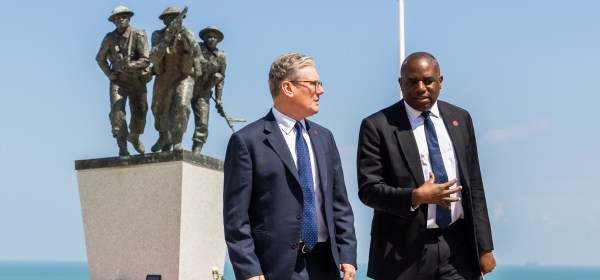
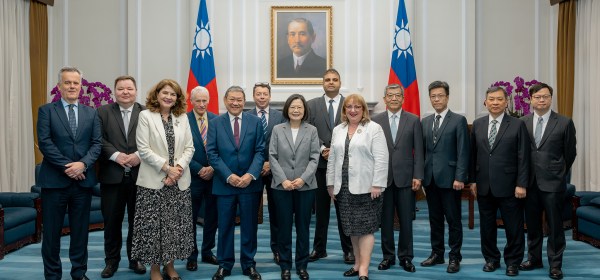
Taiwan will be the true test of the UK’s Indo-Pacific ambitions

Written by Andrew Yeh. This article argues that the new UK government should turn its attention to China’s escalating greyzone tactics against Taiwan, from large-scale military drills to cyber-attacks and coercive economic diplomacy. The UK and its allies should raise the cost of PRC’s aggressions, strengthen Taiwan’s resilience and work with allies to reaffirm the international rules-based order.

The Politics of Hong Kong Migration in the UK and Taiwan

Written by Adrian Chiu. The National Security Law (NSL) in Hong Kong implemented by the Beijing government in June 2020 has triggered a new wave of emigration from Hong Kong. According to Hong Kong government’s statistics, almost 90,000 residents left the city in the 12 months since – more than four times higher than the previous year. To be fair, emigration waves in Hong Kong is not a new feature – it happened in the 1990s when the Chinese handover in Hong Kong was eminent. Indeed, Hong Kong has always been an immigrants’ city, given the many Chinese immigrants who moved to Hong Kong throughout history.

China’s abuses offer opportunity for Taiwan to play a greater role in UK foreign policy

Written by David Green. The UK is in dire need of a coherent China policy, and that policy should provide for deeper ties with Taiwan. The last white paper on how Britain treats with the Chinese Communist Party (CCP) was drafted in 2009, just after the Beijing Olympics’ conclusion. Back then, a misguided belief that constructive engagement would soften China’s authoritarianism still held sway. Furthermore, Hu Jintao’s Scientific Outlook on Development was in full swing, and the Chinese stimulus was driving a global economic recovery in the wake of the financial crisis.