The coming of an overseas Hongkonger identity and Taiwan-Hong Kong connection: Reflection on the Legacy of the Umbrella Movement

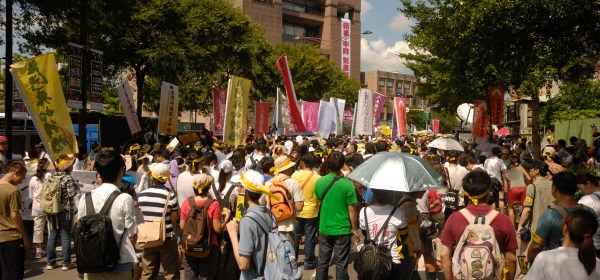
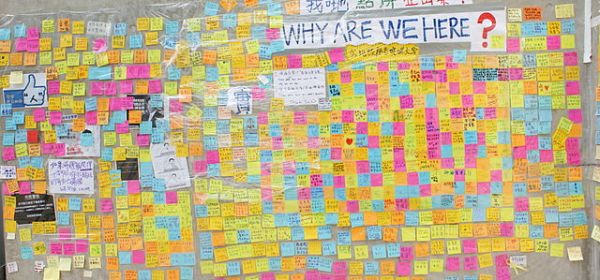
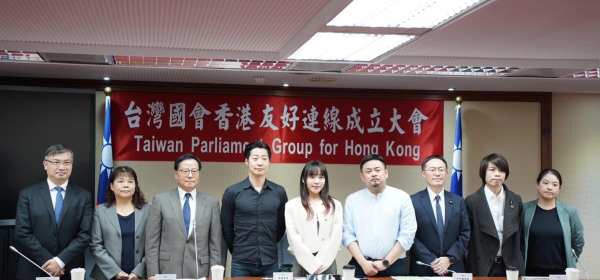
Wriiten by Desmond Hok-Man Sham. The Umbrella Movement did not just construct the identity of local Hong Kongers but also overseas Hong Kongers, where Taiwan plays an important role in that process. This article reflects on how the identity was constructed overseas through diaspora mobilisation and activism and the future of Taiwan-Hong Kong connections.

The Sunflower and Umbrella Movements: Ten Years On

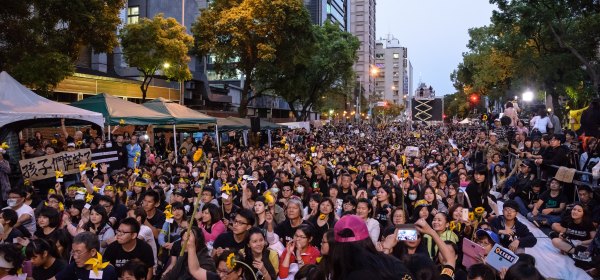
Written by Adrian Chiu. This special issue presents a brilliant line-up of scholars and observers of the two movements which provides insights and perspectives to analyse and reflect on the tenth anniversary of the Sunflower and Umbrella Movements. This introductory piece briefly sets the scene for their excellent analysis by reviewing some of the significant political changes both internationally and domestically.

The Public Nature of Civil Disobedience: Lessons from the Sunflower and Umbrella Movement

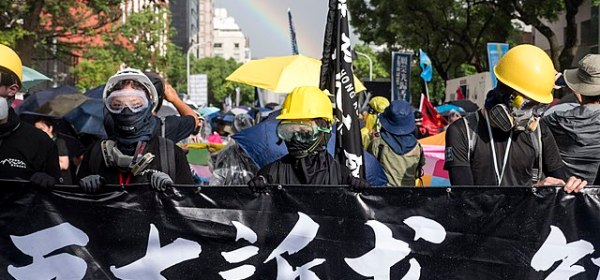
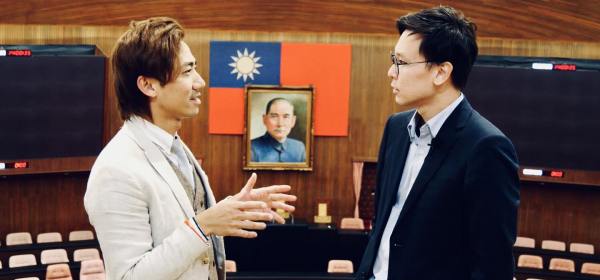
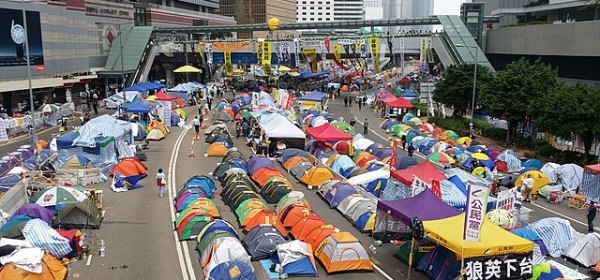
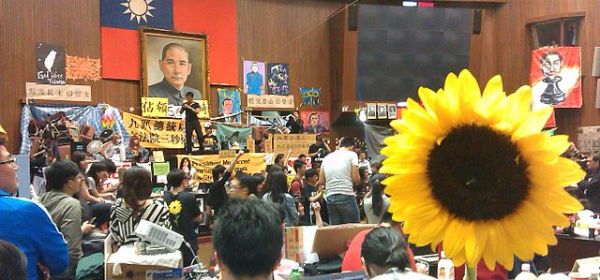
Written by Leon N. Kunz. In March 2014, participants in the Sunflower Movement peacefully occupied the main chamber of Taiwan’s parliament to block the ratification of a controversial trade agreement with the PRC that they viewed as a threat to Taiwanese democracy. In September of the same year, protesters involved in Hong Kong’s Umbrella Movement created street occupations to push for genuine democratic reform. In both cases, participants not merely occupied public space but claimed to engage in civil disobedience. According to the often-cited definition by liberal theorist John Rawls, civil disobedience is “a public, nonviolent, conscientious yet political act contrary to law usually done to bring about a change in the law or policies of the government.” To what extent did the occupations in Taiwan and Hong Kong conform to the dominant liberal civil disobedience script?