Revitalising Indigenous Weaving Cultures Across Borders: Conversations and Collaborations between Taiwan and the Philippines

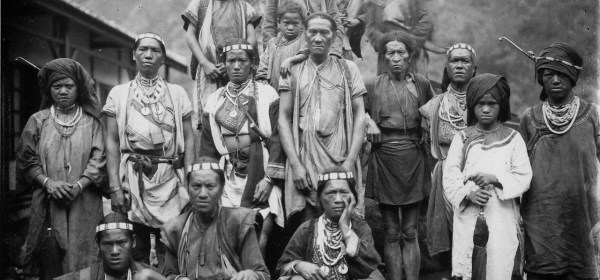
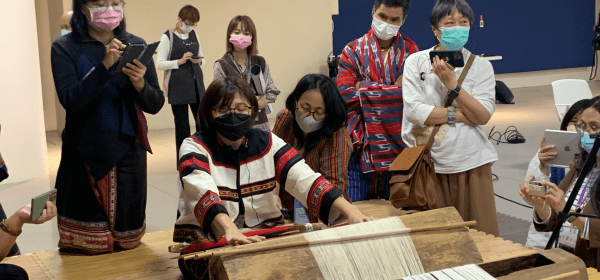
Written by Shau-lou Young. Weaving is a significant material culture in Indigenous Peoples’ society in Taiwan and the Philippines. In the past, hand-made textiles were necessities in their daily lives. However, with the introduction of fabrics into their society, only a few women continued to weave. Today, Atayal weavers in Taiwan and Ifugao weavers in the Philippines are working hard to revive their weaving culture. They brought back and conserved disappearing weaving techniques and knowledge and remade some long-lost textiles.
When You Weave, You Are Planting Seeds on the Land: An Indigenous Weaving Practitioner’s Experience

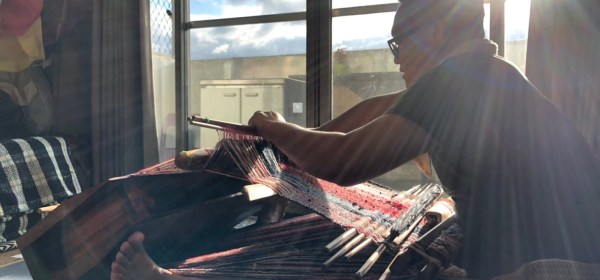
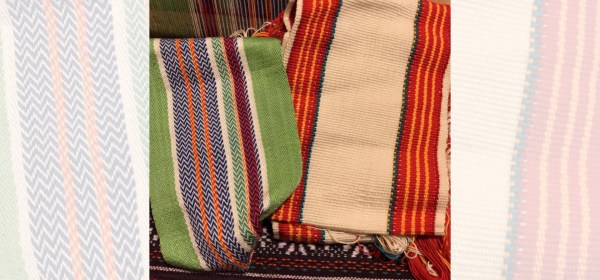
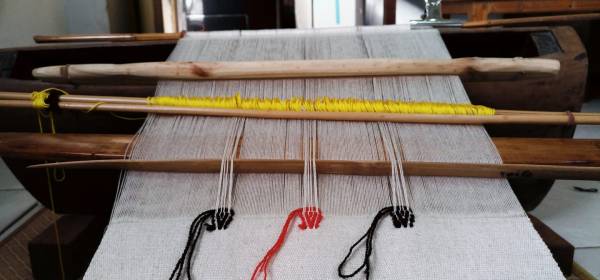
Written by Ipiq Matay. My name is Ipiq, which means “tiny” in Truku, and I am an Indigenous person from the Truku community of Taiwan. Despite my lack of height, I have a big heart. As a weaver in my community, I’d like to share ‘mhuma’, a Truku weaving skill which translates to “be planting”. This weaving technique can be seen in diamond-shaped patterns on women’s traditional clothing. Learning how to weave and create this pattern began my journey of connecting to my family history and the people of my community.

Tminun: Weaving from My Heart as an Indigenous Male

By Peydang Siyu (Chu, Hao-jie); translated by Huang, Hsing-hua. I am a member of the Truku people; the twelfth officially recognised Indigenous nation in Taiwan. We believe in our ancestors’ spirits (utux rudan) and adhere to their teachings (gaya) throughout our entire lives. Cloth weaving (tminun), similar to facial tattooing (ptasan), is a significant part of Truku culture, and many of our customs are related to it. For example, there is a strict gender division of labour in traditional Truku society, with men hunting and women weaving. Men were prohibited from learning how to weave or even touching the tools. As a male, it wasn’t until 2018 did I dare to learn it. But once I began, I never stopped. It was definitely a dream-come-true journey that I would forever remember.

Weave for an Identity: Learning Indigenous Weaving as a Han Person

Written by Nai-Wen Chang. It all started from my experience representing Taiwan at an international youth forum in 2010. A section required every participant to introduce one’s country, offering a chance to engage in cultural interactions. It was our turn to present after India, Russia, Germany, the United States, and China. Everything went smoothly until an Indian participant in a dazzling sari raised a question. The Indian representative, out of pure curiosity, asked, “What does your traditional dress look like?” A moment of embarrassed silence filled the air. My senior, the eldest of us, eventually replied, “We don’t wear traditional dress much, but we do have cheongsams.” A Chinese participant immediately countered, “Cheongsam is Chinese dress, not Taiwanese.”

Encountering Ancestors Along the Path of Weaving

Written by Langus Lavalian. Ibu is currently the youngest weaver in Haitutuan Township. When she was learning to weave with our grandmother, she had a dream in which she met a silent elderly female who requested Ibu to watch her weaving process. Traditionally, outsiders are not allowed to watch or learn the weaving process. However, this old lady appeared to be weaving purposely for Ibu and instructing her step by step. Since taisah, which refers to dream, is vital to the Bunun, Ibu believes that this is the path guided by our ancestors.