
Written by Yu-Jui Cheng (Ray Cheng).
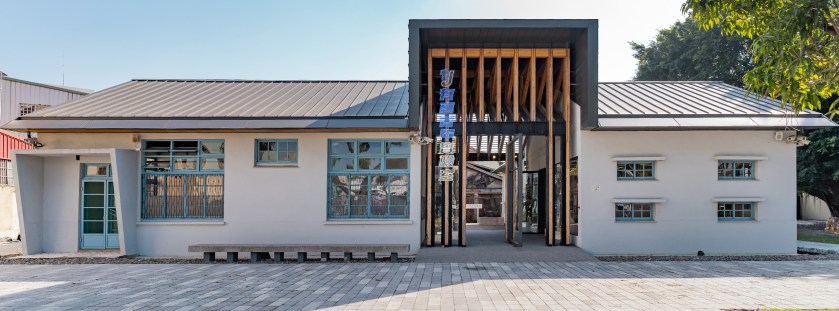
Image credit: 有事青年實驗室 Chiayi Youth Lab / Facebook.
Taiwan has been facing rapid population ageing and growing regional disparities in mid-sized cities and rural areas over the last few decades. To address these growing challenges, initiatives for regional revitalisation, inspired by the Japanese approach to similar issues, were introduced in several regions among them.
Chiayi City—a place famous for its turkey rice and playing as the entry into Alishan Forest Recreation—suffers from brain drain and an ageing demographic due to its lack of opportunities for youth development. Over the past decade, Chiayi City’s population has declined by over 6,000 residents, according to census data, which shows a rising proportion of elderly citizens and a shrinking share of young adults, indicating an outflow of younger populations.
Chiayi Youth: The Regional Youth-targeted Project
To address the demographic challenge, the Chiayi Youth Project (有事青年) stands at the forefront of the city’s response to demographic decline. The ongoing influence of Chiayi Youth is contributing to its recent population growth and local revival of communities, especially among the younger generation. This government-led initiative aims to rebrand the city as youthful and energetic, welcoming both locals and non-locals to engage in the reimagining process and thereby creating local participation as well as innovative actions.
Established under the Chiayi City government’s Intelligence Technologies Department, Chiayi Youth Projects targets the younger generations (the definition of “youth (青年)” varies across different policy contexts in Taiwan, but in most cases, it refers to Millennials and Gen Z) in order to bring youthful energy into the city. It introduces a wide range of activities, from festivals to local workshops, into the city’s landscape. Among them, the Chiayi Youth Action Competition and the Chiayi Youth Festival are the two prominent annual events to promote the core values of Chiayi Youth.
Chiayi Youth Action Competition: Youth as Agents of Local Innovation
Chiayi Youth Action Competition (有事青年行動競賽) is one of the major annual events. The contest invites aspiring youth actors to construct their own innovative projects, transforming Chiayi City into a living laboratory where youth teams propose and implement projects tackling local issues.
Kagi__Lithong (東西之間,二通指南), for example, was a project initiated by one of the action teams in 2023. LiThong (二通街) was once the most lively street in Chiayi, but as industry and consumption patterns shifted, it became an old, outdated district with only a few old stores still in operation. The founders of Kagi—LiThong, discovering the value of this historical street, hoped to pass its story to the younger generations. They visited and interviewed the existing shops in this district, inspiring the owners to participate in their action. Kagi—LiThong not only attracted those who were interested in regional history but also successfully rebuilt connections between the land and its residents.
There are also several local business projects in this competition: Lin is the fourth generation of a traditional tea factory. In high school, she realised that her family business needed to keep up with the times. Determined to bring new life to her heritage, she and her friends decided to launch a project to preserve and revitalise her family’s heritage. In the beginning, they rebranded their tea by redesigning its package, and after that, they paid a visit to the famous tea origin, Alishan, looking forward to developing “tea tourism” in the future. Surprisingly, it was through this field trip that they discovered the potential to integrate tea with other agricultural products, such as mountain vegetables and even Aiyu (a traditional Taiwanese jelly). In the end, their efforts not only gave the family business a fresh, youthful identity but also expanded its influence in an entirely new direction.
The competition was initiated with a simple intention – to raise awareness among young generations in Chiayi about the importance of caring for their hometown. However, as more and more thoughtful ideas, such as Kagi—LiThong and Lin’s family business reimagination, contributed, the competition expanded its scale and began to offer entrepreneurship aid and other learning resources to help participants work on their ideas. Based on a personal interview with Mr Lai, the section chief of the Intelligence Technologies Department, nearly 100 teams have registered in the competition since 2019, up until 2024.
Browsing through the competition history, we can see that the youths often provided different ways of thinking for existing local organisations, including governments and enterprises, which are mostly composed of older generations, to reimagine the possibilities for local revitalisation and therefore successfully introduced their innovative energy into the real landscape.
Chiayi Youth Festival: Repositioning City Identity through Cultural Events
Another major project under Chiayi Youth, the Chiayi Youth Festival (有事青年節), has become a significant event that reframes Chiayi’s image and identity. The annual festival is composed of various unique events, including expos, music shows, art exhibitions and so on, bringing artistic expressions into the local landscape. Every year, during the festival, participants are invited to experience the youthful energy that Chiayi expresses through its diverse activities.
The 2024 main exhibition in the festival—My Emotional Life (我的 emo 人生), is a clear example demonstrating how Chiayi Youth connects with younger generations. The term “emo” rose in popularity among young people in Taiwan, especially among Gen Z. The word reflects the universal experience, including anxiety, depression and so on, when facing an unstable economic future. Through a series of stories, mediums, and interactive sections, this exhibition, in collaboration with diverse NGOs and artists, provided a space for the audience to express their feelings while forming connections with other participants and undergoing a mindful self-healing experience.
This exhibition, along with many other activities being held, is a great example of the festival’s features. Compared to other similar festivals in Taiwan, Chiayi Youth Festival is more focused on building connections with younger generations. “All activities under this festival are designed for its youth participants,” said Lai, the section chief of the Intelligence Technologies Department. Through these cultural interventions, we can see that the festival helps reposition Chiayi as a vibrant, creative, and youth-friendly city, challenging its previous image as an ageing, stagnant place. According to Lai, the 2024 Chiayi Youth Festival has attracted over 100,000 visitors in total.
Impact: Population, Participation & Community Engagement
Then, how can we evaluate the impact of these events? Both the Youth Action Competition and the Chiayi Youth Festival play important roles in introducing youthful energy into the city landscape. These annual events, along with other initiatives from the projects, enable locals and other aspiring thinkers to reimagine the once-stagnant city and discover their own connection with it. The statistics have shown that people are now viewing Chiayi from a different perspective.
In 2023, according to official data, Chiayi City recorded its first population increase in eight years, partially attributed to the visibility and cultural appeal generated by these initiatives. The population of Chiayi City increased by over 500 in 2023 compared to the previous year, the first increase since 2014. The majority of these new residents are between the ages of 18 and 40, indicating that the Chiayi Youth strategy successfully targeted its intended audience, which contributed to the positive outcome.
Besides population growth, the city has also experienced a surge in tourism following the pandemic. Tourists to Chiayi have increased by 1732% (with a national average of 70%), according to the Forward-looking Tourism Policy Research Office (前瞻觀光政策研究室), compared to the periods before the COVID-19 outbreak. The growth in tourism is also partly due to the regional revitalisation strategy, under which local engagement and participation enable residents to rediscover the area’s strong tourism potential, leveraging its cultural and historical assets.
However, Taiwan’s national population decline poses long-term challenges for youth-centred initiatives like Chiayi Youth, with a shrinking pool of potential participants. Other cities, including Tainan, Hualien and so on, are also actively pursuing regional revitalisation, creating competition for government funding, youth talent, and cultural attention. It will be crucial for Chiayi Youth to continue adapting in order to connect with its target audience—the youths—for its sustainable development. While its future is still uncertain, it is fair to say that Chiayi Youth has already made an impact on local engagement, paving the way for continued innovation and growth.
Toward Sustainable Regional Revitalisation
Compared to other regional projects, which typically begin by promoting cultural heritage to outsiders, the Chiayi Youth Project demonstrates how a successful regional revitalisation can start with co-creation among different generations or stakeholders within the local community. Its success as a regional revitalisation project involves not only rediscovering cultural heritage but also cross-sector collaboration and, of course, strong youth participation.
In conclusion, this ongoing transformation of Chiayi underscores the power of youth-driven initiatives in shaping dynamic communities and setting the stage for future sustainable development, and the case could be a blueprint for other regions facing similar challenges to start their own revitalisation project.
Yu-Jui Cheng (Ray Cheng) is a senior student at National ChengChi University. He has recently focused on social and cultural studies in his studies. He also participated in numerous social innovation projects and has worked as an intern in social innovation organisations, including Teach For Taiwan and Impact Hub Taipei.
 Taiwan Insight