
Written by Mei-Hui Chen.
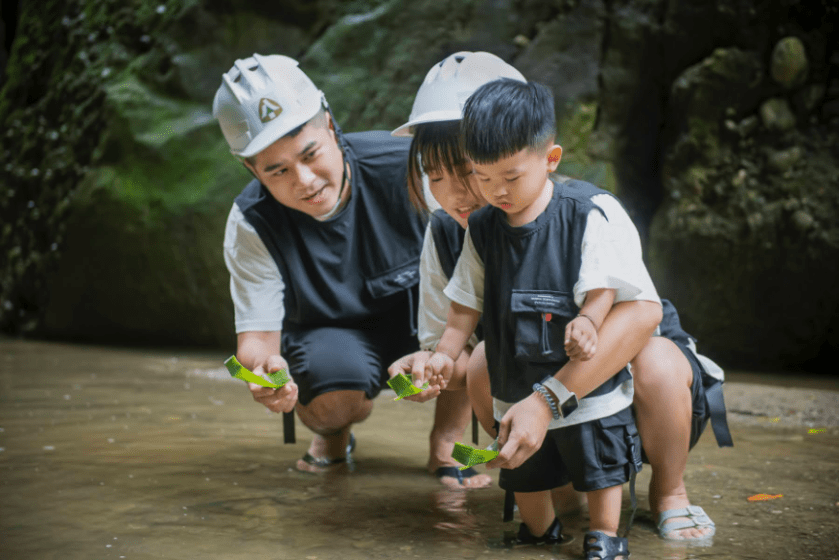
Image credit: Visitors playing with leaf boats in the Laonong stream – a traditional childhood game of the Luigui locals. Photo courtesy of the author.
What is an Ecotourism Destination Marketing Organisation (DMO)?
Satoyama-satoumi landscapes and seascapes are ideal destinations for community-based ecotourism. For the past 20 years, Taiwan has been actively promoting ecotourism in rural areas. It aims to support biodiversity conservation, preserve cultural heritage, and promote sustainable local livelihoods. Over time, however, it has become clear that the diversity of tours and products, as well as the marketing capacity of a single community, is rather limited. This has affected the overall progress of community-based ecotourism development in the country.
To address this challenge, the ecotourism trend has been gradually shifting from individual communities to the promotion of regional partnership networks in recent years. This innovative shift raises an important question: how can stakeholders—including communities, government agencies, and tourism professionals—effectively coordinate to link ecotourism destinations, facilitate exchanges across itineraries, products, services, talents, space, and expertise, and jointly build a community-based ecotourism industry? This is when ecotourism DMOs (Destination Marketing Organisations) can be a good solution.
DMOs serve as a mechanism that engages government agencies, local stakeholders, and tourism professionals to collaborate on achieving a shared vision for tourism development. It integrates natural, human, administrative, financial, and other types of available resources to support a long-term goal of sustainable local development. DMOs need to coordinate across multiple stakeholders and have the ability to interpret data and manage knowledge to play a strategic role in the fiercely competitive tourism market. In general, DMOs are ‘integrated leaders’ of tourism destinations and need to work at multiple levels, including strategy, governance, branding, marketing, and sustainability, to achieve overall development of regional ecotourism.
Since the introduction of the Community Forestry project in 2002, our team from the National Pingtung University of Science and Technology has been supporting satoyama and satoumi communities in southern Taiwan and nationwide in the development of their community-based ecotourism DMOs. The story of the Shih-ba-luo-han-shan Forest Reserve and its community efforts is one of the brightest examples of Taiwan’s regional DMOs to date.
Community Participation in the Management of the Shih–ba–luo–han-shan Forest Reserve
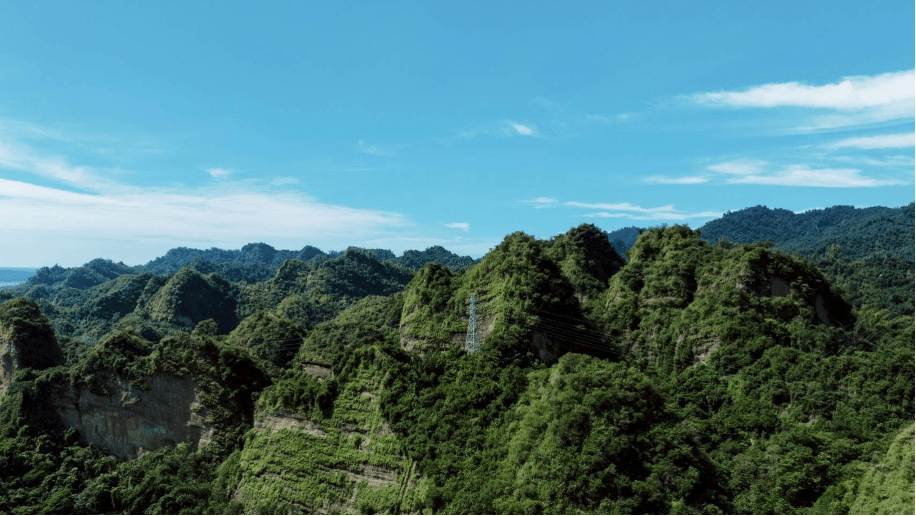
The Shih-ba-luo-han-shan mountain range is located in Luigui District, Kaohsiung City, southern Taiwan. It consists of several kilometres of independent peaks with unique shapes, forming many U-shaped valleys, canyons, peaks, meanders, and dry valleys. The Forestry and Nature Conservation Agency (FANCA), Ministry of Agriculture, established the Shih-ba-luo-han-shan Forest Reserve in 1992 to protect this unique geo-ecological landscape. This beautiful mountain range had always had an important collective memory in the eyes of the locals. However, after the establishment of the nature reserve, the local people lost access to it, which led to opposition and conflict with the management authority.
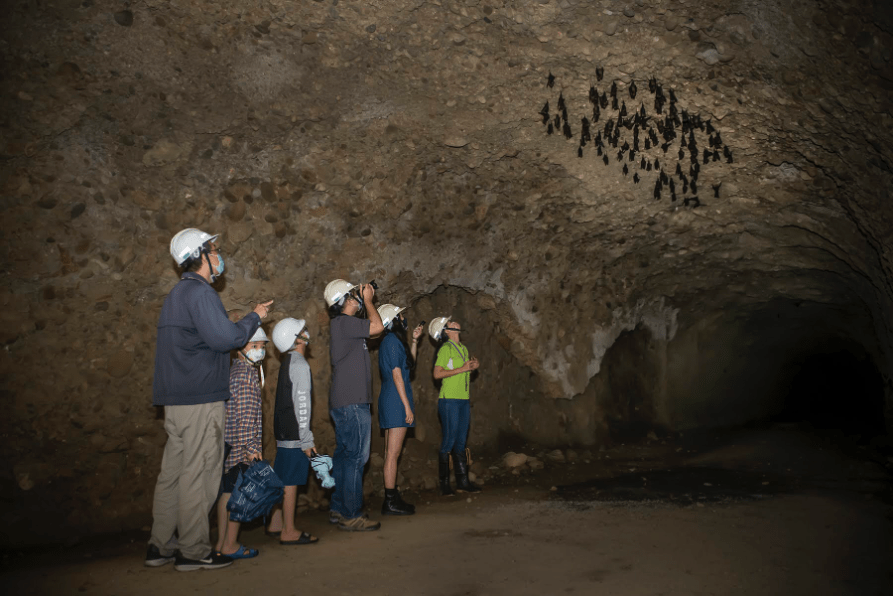
In 2017, the Pingtung Branch of the Forestry and Nature Conservation Agency commissioned our team to train the Liugui locals as environmental interpreters. The interpretation route included two sub-routes within the U-shaped valley inside and outside the protected area. Upon completion of the training, they were certified as local tour guides. Community members have also been engaged in forest patrol and monitoring, with a group of three to four people patrolling the valley three times a week. This monitoring data is collected, analysed with the support of our team, and then submitted to the management authority. The monitoring process is a continuous and voluntary contribution of the Luigui community members.
A Community-Based Ecotourism DMO for the Shih–ba–luo–han-shan Forest Reserve
In 2020, to foster the development of biodiversity-based local economy, the certified tour guides established the Shih-ba-luo-han-shan Forest Reserve Nature and Humanities Association. Following a DMO mechanism, it brought together the public and private sectors to work together on environmental interpretation and the development of sustainable community-based ecotourism. The stakeholders integrate their resources in a three-tier structure consisting of the core members, upstream units, and downstream units, successfully connecting industries, communities, and academic resources.
The core members are composed of four local associations, responsible for DMO planning and itinerary design, promotion of biodiversity conservation, cultural preservation, and training of ecotourism service personnel. The upstream units consist of 15 local operators—including local youths, farmers, and handicraftsmen—who focus on agricultural product processing and brand management. The downstream units are tourism operators, responsible for tourism product packaging, promotion, and marketing. Over time, this structure has gradually evolved into a regional ecotourism network – the Liugui Ecotourism DMO – that now supports biodiversity conservation, cultural values, and local livelihoods.
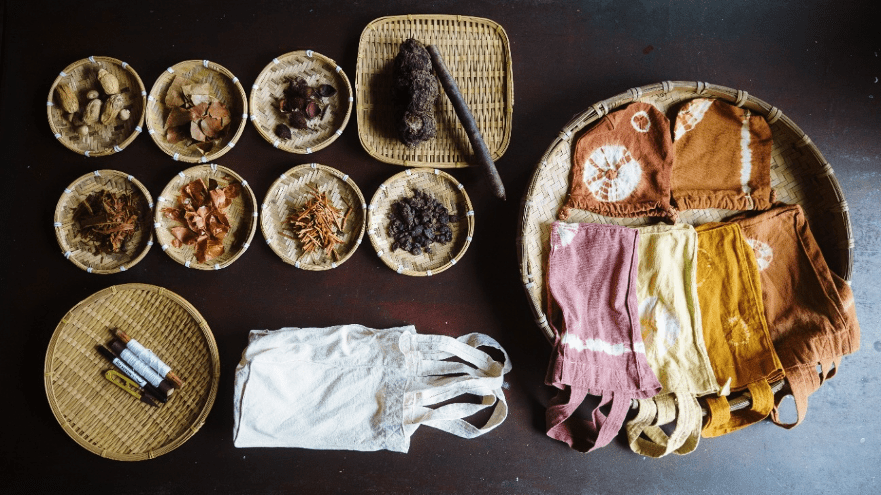
Today, with the Shih-ba-luo-han-shan Forest Reserve at the core, the surrounding communities are united to contribute towards regional revitalisation through participation in the Liugui Ecotourism DMO. Its comprehensive itinerary includes multiple themes such as ecological experience, forest economy and eco-friendly agriculture, cultural roots and historical guided tours, and community crafts and artisanal industries.
Conclusion
DMOs approach has opened a new page for the community-based ecotourism development in southern Taiwan. Due to a unique natural environment of each landscape and seascape, ecotourism may be viewed as a differentiated tourism product that brings out the unique essence of each satoyama and satoumi site. As strategic centres of regional development, DMOs can promote cross-sectoral and multi-stakeholder cooperation, incorporate ecotourism into local revitalisation policies, integrate agriculture, forestry, crafts, culture and other industries, and form a diversified value chain. Ecotourism DMOs are now developing rapidly all around the island.
Mei-Hui Chen (陳美惠) is a Professor in the Department of Forestry at the National Pingtung University of Science and Technology. She is the leader of the southern regional exchange base of the Taiwan Partnership for the Satoyama Initiative (TPSI-S) and the nationwide facilitator of TPSI-all activities (2022 to date). In 2002, Professor Chen proposed the Community Forestry project, which has become an important policy for community-based biodiversity conservation in Taiwan. She is a strong advocate for the concept and practice of deep economy in satoyama areas. E-mail: meihui106@gmail.com.
This article was published as part of a special issue on ‘Co-Weaving Taiwan Ecological Network: Satoyama in Practice‘.
 Taiwan Insight