
Written by Lena McEachern.
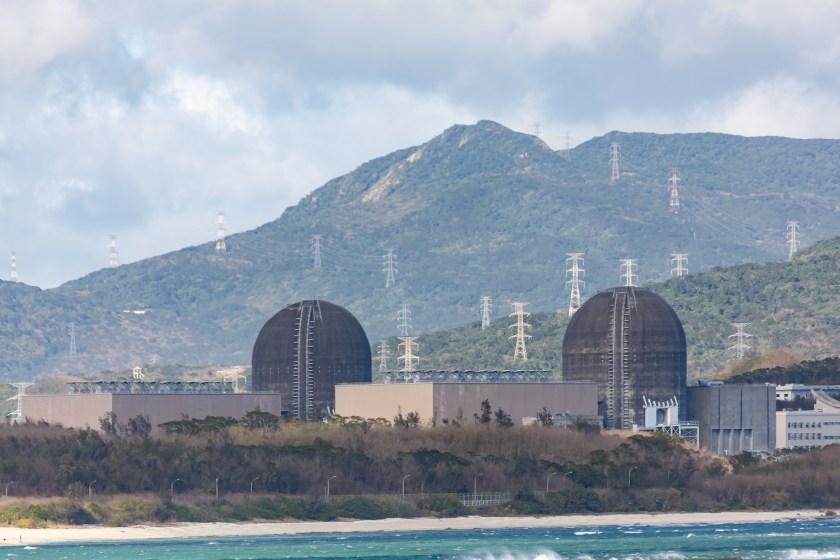
Image credit: Photo by CEphoto, Uwe Aranas.
On March 11, 2011, Japan was struck by the Tōhoku earthquake, the largest earthquake in its history and the third largest earthquake in the history of the world. With a magnitude of 9.1, the quake triggered a tsunami that flooded the reactors at the island’s Fukushima nuclear power plant. Radioactive material leaked, over 160,000 people fled, and $700 billion was spent by the Japanese government in restoration efforts. Concerns over nuclear safety post-Fukushima caused Japan to decrease nuclear energy’s role in its electricity mix from 33% to just 7.5% by 2019.
Yet in recent years, the combination of rising electricity prices, carbon emission reduction goals, and global fuel shortages has prompted Japan to reverse its course on nuclear energy. Now, the nation is planning to extend the lifespan of nuclear reactors, build new ones, and replace the old.
If Japan has been able to move past the Fukushima disaster, given the need for nuclear energy in the current geopolitical climate, why hasn’t Taiwan?
Taiwan is the only economy in Asia with a nuclear phase-out plan. In the 1980s, nuclear energy helped fuel Taiwan’s economic growth, accounting for 52.4% of the island’s electricity mix. But, nuclear safety concerns caused the Democratic Progressive Party (DPP) to establish closing all nuclear power plants as one of its guiding principles. Today, nuclear energy accounts for just 8% of Taiwan’s electricity mix. This is a mistake for the energy security of Taiwan.
Instead of using nuclear energy, Taiwan relies heavily on imports of fossil fuels like liquefied natural gas, oil, and coal. 94.4% of Taiwan’s total energy supply in 2022 came from imports, up 47% from 2000. For reference, Japan decided to re-invest in nuclear after importing 87.2% of its 2022 energy supply. Taiwan’s decision to import such a large percentage of its energy mix instead of investing in domestic nuclear energy leaves it dangerously vulnerable to supply disruptions caused by external geopolitical events. Perhaps the fact that the International Energy Agency lists these facts under the name “Chinese Taipei” is a reminder of the heightened geopolitical risks faced by Taiwan. Anyone concerned about Taiwanese national security should be concerned about foreign nations effectively having the ability to turn on and off power in Taiwan.
Unfortunately, power in Taiwan is already turning on and off. Taiwan experienced 313 power outages in 2022, turning off electricity for over 5 million households or a quarter of the population. Power usage demand on the island risks overwhelming the energy supply, and plans to make up the nuclear phase-out with renewable energy have fallen short of projected goals. The Taiwanese government planned to install 20 GW of solar capacity by 2025; at the end of 2024, that capacity was 12.5 GW. As a small island, Taiwan does not have enough land for large-scale solar projects, and connecting projects that are installed to the grid with transmission is challenging. Phasing out nuclear energy before solidifying the plan to replace the resource with renewables irresponsibly risks instability for the grid.
This grid must be stable not just to support Taiwanese residents, but also to power the strategically important industrial production taking place on the island. This industrial sector consumes more electricity than residents, accounting for 57% of Taiwan’s electricity consumption in 2021. One strategically important firm within this sector is Taiwan Semiconductor Manufacturing Company (TSMC), which produces 90% of the world’s semiconductor chips and alone consumes 6.4% of electricity in Taiwan. By producing the chips that power the world’s cars, phones, and more, TSMC contributes to a “silicon shield” that deters conflict in Taiwan, as disruptions to its own operations mean disruptions to most economies. Given this, Taiwan needs to prioritise sources of energy supply that can benefit grid stability for its industrial manufacturers.
One optimal way to do this would be by re-investing in nuclear energy. As a baseload energy source, nuclear energy can provide a stable supply of electricity regardless of the season or time of day. Most renewables, like solar and wind, on the other hand, provide intermittent energy that is not consistently available throughout the day or year. Another benefit of nuclear energy is that, like renewable energy, it is a relatively environmentally clean energy source. Unlike fossil fuel systems like a coal power plant, nuclear power plants produce zero direct carbon dioxide emissions and zero air pollution. Proponents of replacing nuclear energy with renewable energy point to the environmental friendliness of renewables, but there is no reason to replace clean baseload power with clean intermittent power. Instead, Taiwan should phase out dirty, politically risky and baseload fossil fuel imports, replacing them with clean, politically secure and baseload nuclear energy plants. This will maintain baseload capabilities for grid stability while being better both environmentally and geopolitically. Renewable energy investments should still take place, but the premise of replacing nuclear energy instead of fossil fuels with renewables is flawed.
Taiwan’s own Ministry of Economic Affairs agrees with this sentiment. Their analysis of the DPP’s plans to end nuclear energy on the island found that doing this would cause higher levels of pollution, lower GDP and economic growth rates, higher carbon dioxide emissions, and increased electricity prices. Many questions in environmental economics pose trade-offs between supporting the economy and supporting the environment. Uniquely, re-investing in nuclear energy is a win on both fronts.
There are valid questions regarding where to store nuclear waste generated by reactors in Taiwan. However, accumulated nuclear waste already exists on the island; Taiwan will need to find a suitable long-term waste disposal site regardless of whether or not it maintains its nuclear program. One pathway forward is following Japan’s example. Since 1969, Japan has sent over 160 shipments of used nuclear reactor fuel to France and the UK. There, the fuel is reprocessed, which means that plutonium and uranium are recovered and recycled. Taipower connected with France about implementing a similar arrangement for Taiwan before being derailed by DPP legislators, which shows that there may be an opportunity for a Taiwan-France reprocessing arrangement with sufficient political will.
On August 23, 2025, a referendum to reopen Taiwan’s Maanshan reactor did not reach the legal threshold necessary to pass. While the referendum needed support from one quarter of all registered electors, or roughly 5 million people, only 4.3 million people voted in favour of reopening the plant. While not enough to reopen the plant, this tally still represented a significant majority over the 1.5 million people who voted against the referendum.
Despite the outcome, this majority shows that the fight to restart nuclear power in Taiwan is not over. After the referendum failed, President Lai Ching-te announced that he would not rule out nuclear energy if “technology becomes safer, nuclear waste is reduced and societal acceptance increases.” The DPP should build momentum towards restarting Taiwan’s decommissioned reactors by revitalising discussions on the Taiwan-France reprocessing arrangement to show that safety and waste concerns can be addressed. The politics of breaking party precedent may seem daunting, but the task of meeting a growing and vulnerable island’s energy needs without nuclear energy is even more so. Taiwan must re-invest in nuclear energy today — or risk paying a steep economic, environmental, and political price.
Lena McEachern is a recent graduate of Stanford University, where she studied Economics with a Certificate in Environmental Economics. At Stanford, she was a Campus Tour Guide and Partner at the Stanford Sustainable Investment Group. In her free time, she loves to read, run, kayak, and write. Originally from San Diego, California, she will be working full-time in New York City following graduation.
This article was published as part of a special issue on ‘Stanford Student Commentaries‘.
 Taiwan Insight
