The History of Comics in Taiwan: 1940s to 1980s

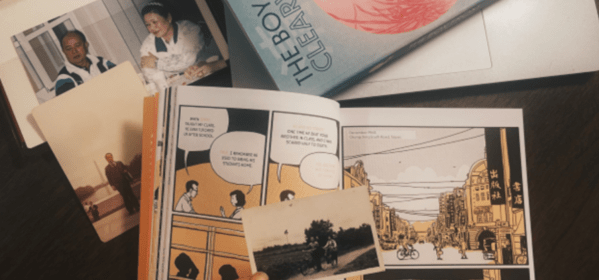
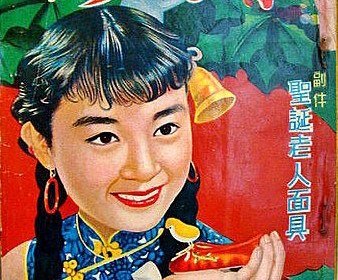
Written by I-Yun Lee. This article is an overview that traces Taiwanese comics from Japanese colonial to post-war Taiwan, the rise of rental comics, and the severe censorship that stifled creators from the 1960s to the 1980s. Shaped by colonial importation, market demand, and state control, Taiwan’s comic history emerges as a story of negotiation and constraint.

​​​NATSA 2025 Conference Note: ​​A Cross-Cultural Literary Dialogue Against the Mainstream

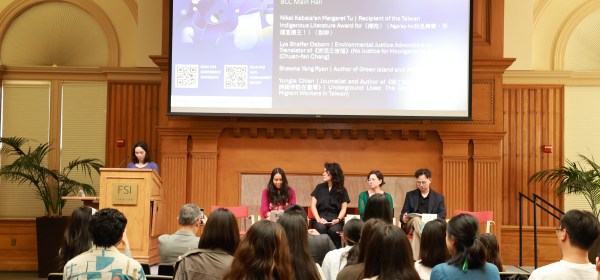
Written by Yun-Pu Tu. This article reflects on the “Otherwise Literature: Against the Mainstream” panel, a collaboration between NATSA and the National Museum of Taiwan Literature, which explored how storytelling bridges cultures and challenges dominant narratives. Featuring writers and translators including Shawna Yang Ryan, Lya Shaffer Osborn, and Yung-ta Chien, the event highlighted the power of words and storytelling to connect communities and imagine Taiwan otherwise.

Rosettating Between Minoritised Languages: How Taiwanese Readers Respond to Intermediated Translation

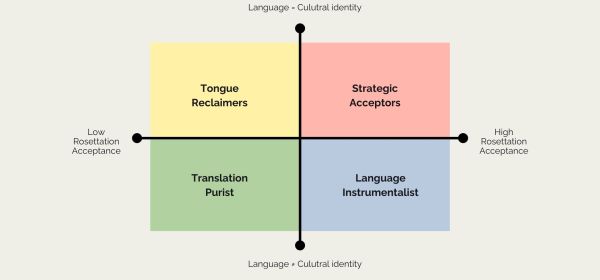
Written by Naomi Sím. The article introduces “rosettation,” a method of translating between minoritised languages like Tâigí and Gaelic via dominant ones. The Tâigael project explores linguistic solidarity, reader responses, and political tensions. Rosettation emerges as both a pragmatic strategy and a literary experiment, which enables new forms of intercultural dialogue despite inherent compromises.

Orchids in the Wild

Written by Lisa LacDonald. This article reflects on orchids in Scotland and Taiwan as metaphors for translation. While Scottish orchids evoke resilience, Taiwanese orchids embody richness and locality. The author highlights the difficulty of conveying cultural nuance across languages, framing translation as both interpretation and resistance, balancing fidelity, accessibility, and the preservation of linguistic diversity.

Grandmother Islands: Oral Memory, Mother Tongues, and Literary Kinship between Taiwan and Scotland

Written by Elissa Hunter-Dorans. This article reflects on how maternal and grandmaternal figures embody the preservation of Taiwanese and Gaelic. Through Tâigael, the author explores oral traditions, familial intimacy, and the “mother tongue” as both metaphor and surrogate caregiver, showing how literature sustains endangered languages and fosters cross-cultural kinship.

Tâigael: Orchids, Maternal Care, and a New Rosetta Stone

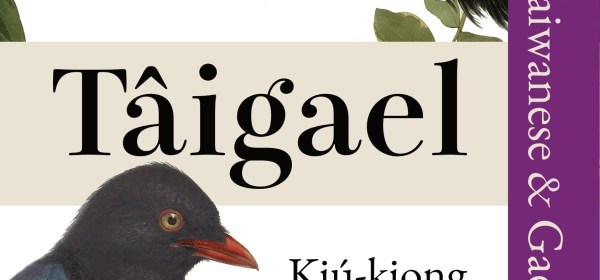
Written by Hannah Stevens and Will Buckingham. The article introduces Tâigael: Stories from Taiwanese & Gaelic, a translation project linking two minoritised languages through English and Mandarin as bridges. Writers reflect on linguistic solidarity, maternal legacies in “mother tongues,” risks of reinforcing hierarchies, and ecological fidelity in translation. Together, their essays highlight translation’s generative, resistant, and collaborative potential.

My PhD Mentor, Tu Laoshi

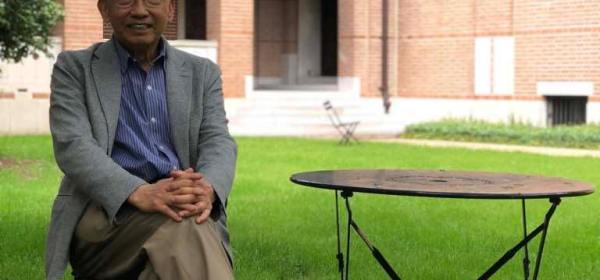
Written by Linshan Jiang. This memorial essay reflects on the author’s time with Professor Tu Kuo-ch’ing, a deeply influential poet, scholar and the founder of the Center for Taiwan Studies at the University of California, Santa Barbara, who passed away earlier this year. His passing left a profound and unexpected void. This essay shares how Professor Tu introduced the author to Taiwanese literature and supported her academic journey.

Teasing Romantic and Literary Appetite: Reading Taiwan Travelogue

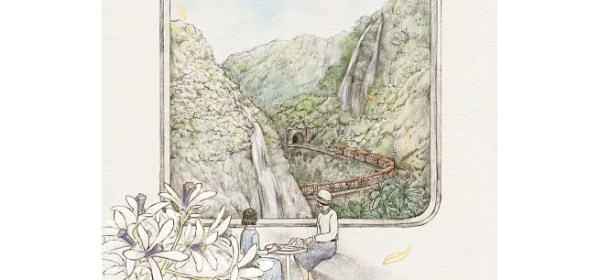
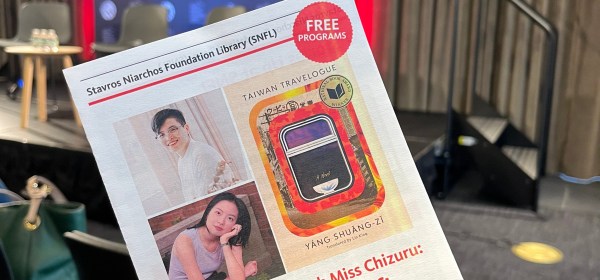
Written by Mu-Hsi Kao Lee. The article explores the experience of reading Taiwan Travelogue as a translated historical yuri novel. Kao Lee reflects on how the narrative, despite its clear genre and straightforward plot, evokes a sense of both satisfaction and longing in the reader. The article highlights the story’s ability to interweave historical and cultural details with the protagonists’ emotional connection, examining themes of desire, identity, and the complexities of relationships within a specific historical context.

Savouring Taiwan’s History and Experience: Reflections on the Taiwan Travelogue and Its Book Talk

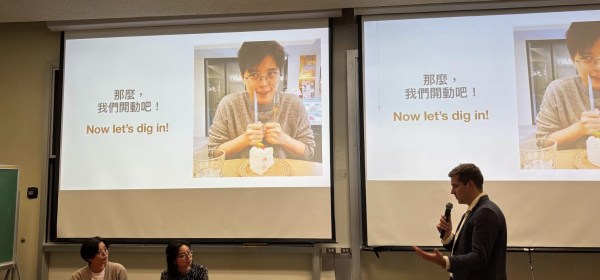
Written by Tun-Jung Kuo and Li-Ting Chang. This article reflects on a book talk discussing Taiwan Travelogue, highlighting how the novel uses food to narrate Taiwan’s colonial history, cultural hybridity and female perspectives. Through detailed depictions of cuisine and memory, it challenges historical narratives and deepens understanding of Taiwan’s evolving identity amid Japanese colonial influence and localisation.

Food is politics, and so is travel. 

Written by Chee-Hann Wu. This article discusses Taiwan Travelogue and its US book tour earlier this year. It highlights the controversial marketing strategy, the extensive use of footnotes to enrich the historical context, and the categorisation of the novel as queer literature due to the evident, though subtle, romantic undertones between the two female protagonists.

Love is Impossible, but Justice will not Suffice.

Written by Patricia Huang. This article analyses the budget cuts to Taiwan’s Ministry of Culture, including the freezing of funds for museums and the possible impacts of under-budgeting. It explores the debate around subsidising culture and the concept of “Cultural Exception”. The author also examines alternative funding sources for culture, taking examples from other countries, such as lotteries and TV licensing fees.

1 2 3 5