“Be My Guest”: How Taiwan Is Using Social Media Influencers for International Engagement

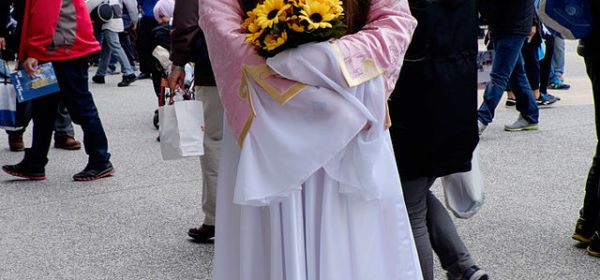
Written by Chiaoning Su. This article discusses how Taiwan is leveraging social media influencers for nation branding as part of its public diplomacy efforts. While current initiatives effectively promote Taiwan’s democratic values and openness, the government needs to address several key issues, such as defining a clear target audience, fostering bottom-up partnerships with foreign influencers, and navigating geopolitical challenges.

Words of Influence: PRC terms and Taiwanese identity 

Written by Karen Huang. This article explores the growing use of PRC terms in Taiwan Mandarin and the social reactions to this trend. While some Taiwanese view this trend as a natural result of language contact, others perceive these terms as a form of cultural invasion. The debate among Taiwanese netizens reflects broader concerns about cultural identity, political influence from China, and the implications for younger generations in Taiwan.

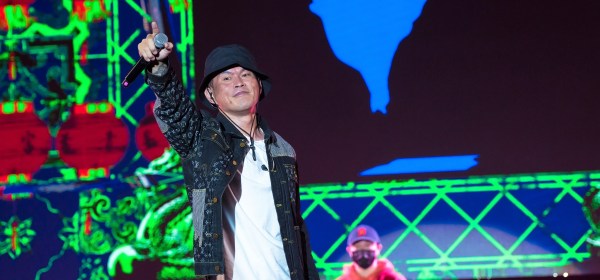
Beyond Mayday’s Lip-synching Investigation: Taiwan’s Music Freedom Questioned Under PRC Influences 

Written by Chen-yu Lin. On December 28, 2023, Reuters and CNN​ reported a disconcerting incident involving Mayday, a Taiwanese rock band, who found themselves entangled in a request from Chinese authorities to make pro-Beijing statements. As reported by CNN, the authorities demanded a public statement affirming the unity of China and Taiwan as a single nation. The band’s refusal to comply resulted in consequences related to alleged lip-synching, which is referred to as “deceptive singing (假唱)” in Chinese. This accusation carries the potential for fines or even performance bans under Chinese law. These developments stemmed from their December concert in Shanghai and are potentially connected to Taiwan’s presidential election in January 2024, prompting an ongoing investigation.​ 

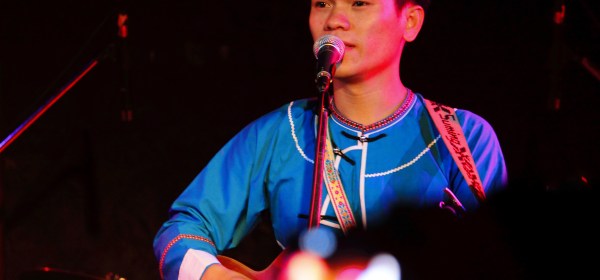
Reflections on the Identity at Indigenous Popular Music Training Camp in Taiwan 

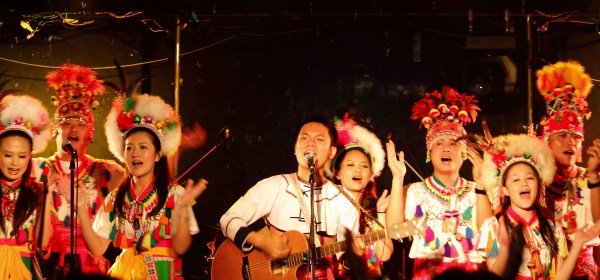
Written by Kuing, Guo-Ting Lin. In recent years, there have been various Indigenous popular music creation and cultivation programmes in Taiwan. For example, the music training camp “Psiwali School” at the Pasiwali Music Festival in Taiwan with the purpose of discovering Indigenous musicians. Another example is the “MINETJUS Electronic Music Production” Programme, which is held by Dark Paradise Records (派樂黛唱片), an independent record label based in Taipei. This initiative blends electronic music and Indigenous culture to help younger musicians turn cultural marginality into unique cultural assets. Most training camps in Taiwan still rely on government support, aiming to strengthen the unique cultural identity of contemporary Indigenous youth and regard this as a catalyst for promoting ethnic diversity. This article examines the meaning of Taiwan’s Indigenous popular music creation and cultivation programmes.

The Search for a Shared Script: A Very Brief History of Writing Lyrics in Taiwanese 

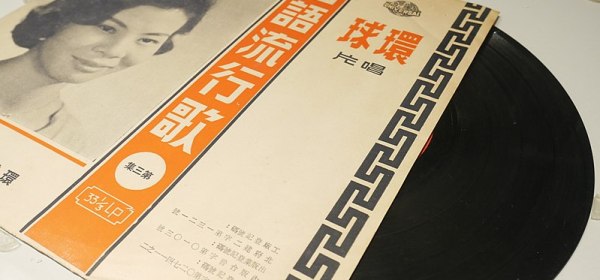
Written by Cheng-Ting Wu. Imagine you are trying to write a song in Taiwanese Southern Min (hereinafter “Taiwanese”). After creating a soulful melody and heartfelt lyrics, you wonder: How should I write them down? You can choose any of the music notations you prefer for melody, from staff to numbered system. For lyrics, regardless of whether you are a native speaker or a learner of Taiwanese, you also have a choice. This brief article discusses this choice or the different strategies in the history of writing music in Taiwanese.

Hoklo Rap and Taiwanese Resistance Vernaculars 

Written by Meredith Schweig. Since the end of the 1980s, when rap music first took root in urban Taiwan, artists have explored the creative possibilities inherent to rhyming in the multiple languages spoken on the island. Early commercial pop-oriented performers like Yu Chengqing tended to rap in Mandarin; acts primarily associated with the underground folk and rock scenes, like Blacklist Workshop and Jutoupi, performed almost exclusively in Hoklo; and American-born Taiwanese teen sensations the LA Boyz peppered their Mandarin and Hoklo verses with English.

Indigenous popular music and language revitalisation in Taiwan 

Written by Karen Huang. In 2020, Paiwan singer Abao (阿爆) became an overnight sensation at the 31st Golden Melody Awards (GMA) when her Paiwan album ‘Kinakaian MOTHER TONGUE’ brought home multiple major awards, including the ‘Album of the Year’ and ‘Song of the Year’. The awards surprised many, as Mandarin popular music usually dominates these two cross-language categories. It was the first time an Indigenous-language singer had won both categories simultaneously.

Taiwanese Horror Games and the Ghosts from the Past

Written by Chee-Hann Wu. Taiwanese horror (taishi kongbu) is a rising genre that has claimed an important space in Taiwanese popular culture, particularly in the video game industry since the debut of Detention in 2017. These video games often incorporate elements of Taiwan’s local religions, ritual practices, and mythologies, especially the ones associated with ghosts and other supernatural beings. Although mostly implicit, many Taiwanese horror games contain hints of historical references to the 228 Incident and the White Terror under Martial Law. Malevolent monsters and ghosts become physical incarnations of state-sanctioned violence by perpetrators and accomplices and the suffering of those who were arrested, executed, or silenced. 

1 2 3 4 5