Taiwan’s Food Culture as a Cure for Overtourism

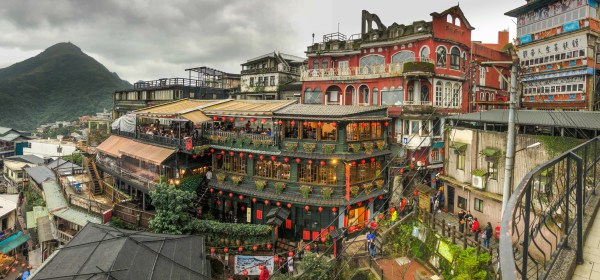
Written by Gita T. This article argues that Taiwan has a chance to avoid overtourism and achieve ESG goals by leveraging its food culture. Taiwan’s snack-based dining offers a natural way to spread visitors beyond overcrowded sites. This could include gamified snack trails, an authentic cultural experience, and curated insider routes for continuity travellers.

From Overcrowding to Opportunity: Taiwan’s Appeal for Indian Tourists

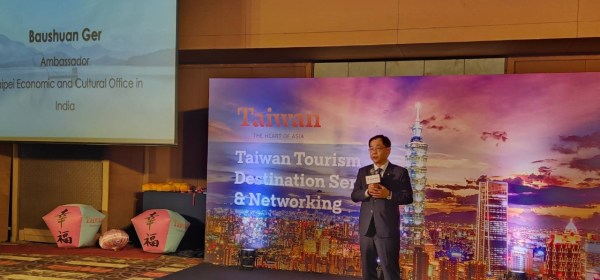
Written by Neeraj Mehra. This article discusses Taiwan’s untapped potential in India’s booming outbound tourism market, highlighting shared cultural ties, natural attractions, and democratic values. The author proposes that easing visas, improving air connectivity, boosting targeted marketing, and fostering educational exchanges may expand tourism, strengthen Taiwan’s soft power, and advance its New Southbound Policy goals.

Ecotourism Destination Marketing Organisation (DMO) – A Case Study of the Shih-ba-luo-han-shan Forest Reserve in Southern Taiwan 

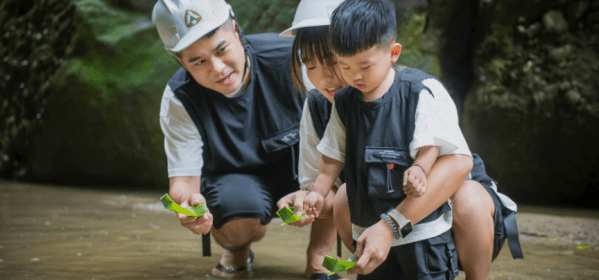
Written by Mei-Hui Chen. This article introduces the concept of Ecotourism Destination Marketing Organisations (DMOs) and illustrates how they function through the case of the Shih-ba-luo-han-shan Forest Reserve in southern Taiwan. By fostering cross-sector collaboration and community participation, the DMO model supports sustainable ecotourism and biodiversity conservation.

Reimagining Chiayi: A Youth-Driven Project for Regional Revitalisation

Written by Yu-Jui (Ray) Cheng. This article discusses how the Chiayi Youth Project revitalises Taiwan’s Chiayi City by empowering young people through cultural events and innovation competitions. The project fosters local engagement, creativity and identity. With rising youth participation and a growing population, it allows a repositioning of Chiayi as a vibrant, youth-friendly city amid national demographic challenges.

Tracks of Influence: How Taiwan’s Railway Heritage Fuels Soft Power

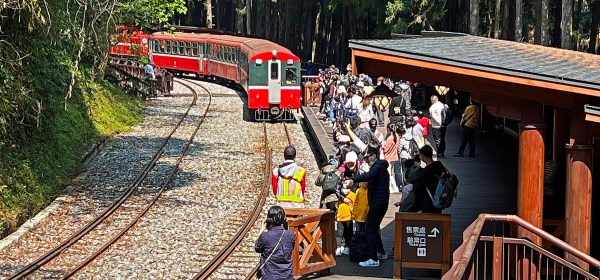
Written by Tang Meng Kit. Taiwan’s railway heritage, originating from its Japanese colonial past, has transformed into a vibrant symbol of soft power. Through thoughtfully curated museums, cultural events, and international collaborations, particularly with Japan, Taiwan weaves history and innovation into a compelling narrative. This approach not only nurtures cultural exchange and tourism but also reinforces Taiwan’s resilience and evolving national identity on the global stage.

The Howitzer Drill Demonstration in Kinmen 

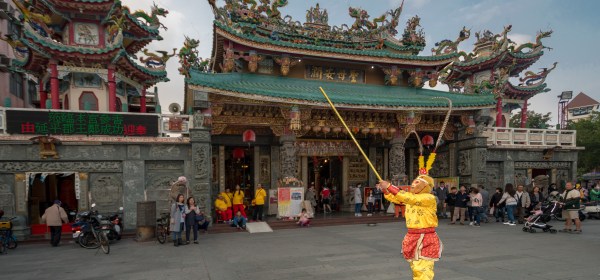
Written by An-Ru Chu. This article explores the performative nature of the cannon drill demonstration at the Shishan (Mt. Lion) Howitzer Front, a popular tourist attraction in Kinmen, in conversation with Island in Between. Unlike the drill or military-related actions performed at other sites, the cannon drill at Kinmen is unique in that it is not performed by soldiers, but exclusively by performers. In addition, the multilayered identities of the performers further complicate people’s engagement with a contested land like Kinmen. The author traces the history of such a performance and argues its linearity in conversation with Kinmen’s Cold War memories.

The Changing role of Laotian Coffee in Taiwan 

Written by Chen Szu-An, Translated by Sam Robbins. According to data from the Lao Coffee Association, Taiwan was one of the earliest to enter the Laotian market and invest in coffee production after the government allowed foreign investment in the year 2000. There was even a period where some in Taiwan dreamed of becoming a major player in the development of Laotian coffee. In contrast with the Laotian beans that were first imported to Taiwan as cheap goods, as Taiwanese consumers became more accepting of the idea of “specialty coffee”, Taiwanese business people started to repackage Laotian beans.

Covid-19 and the Environmental Impacts of Domestic Tourism

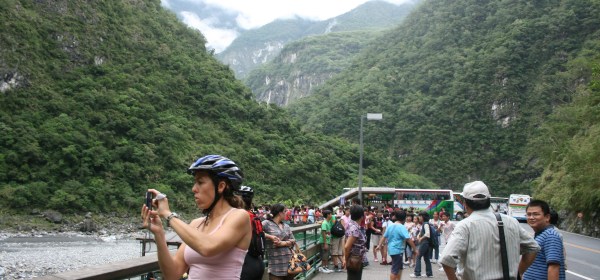
Written by Tzu-Ming Liu. The outbreak of COVID-19 has significantly affected Taiwanese’ travel destination choices. One of the most significant changes is the recent boom of citizens’ participation in nature-based outdoor recreation. These changes have clear influences on the environment. Some are positive, and some are negative. This impact can be observed in Taroko National Park and Yushan National Park. However, for destinations that have been heavily impacted by tourism, such as Lanyu, the sudden tourist increase makes environmental problems much worse.

The Good, the Bad and the Adaptive: Resilient Local Solutions to Tourism-Related System Shifts in Eastern Rural Taiwan

Written by Paulina G. Karimova and Kuang-Chung Lee. Discussion of resilience and adaptive capacity of Taiwan’s scenic rural areas has never been more pertinent than at the times of COVID-19. Over 2020-2021, these two seemingly academic terms have promptly secured their spot in local vocabulary (as 韌性 and 調適能力) and became an intrinsic part of hands-on local solutions.

How to Reduce Your Environmental Footprint as a Tourist in Taiwan

Written by Viola van Onselen. Tourism can significantly burden the natural environment, such as developing hotels or campsites in fragile ecosystems, pollution, or noise disturbance. The fact that tourism leads to environmental degradation has led to sustainable or eco-tourism, a concept that aims to minimise the impact on the natural environment and maintain tourism over a long period in one area while educating tourists and benefitting the social, economic and natural environment.

1 2