The Contested Political History of Taiwan

Written by Chiung. The political conflict between China and Taiwan has existed since 1949. The current government of China, officially called the People’s Republic of China, has been established since 1949. On the other hand, the government of Taiwan, officially the Republic of China, was established by Sun Yat-Sen in 1912. In fact, both countries originated in Mainland China. However, after the Chinese Civil War (1927 to 1950), the China government was split into two parts led by two political parties, the Kuomintang of China and the Communist Party of China. The Kuomintang retreated to Taiwan, and the the Communist Party founded the People’s Republic of China.
A False Consensus: The “1992 Consensus”

Written by Najee Woods. There’s also confusion among the Taiwanese public as to what the 1992 Consensus actually means. According to the Global Taiwan Institute, one-third of the Taiwanese population believes the consensus implies both sides of the Taiwan Strait are separate countries. After newly elected KMT Mayors Han Kuo-Yu and Lu Shiow-yen affirmed their support for the 1992 Consensus, searches about the consensus from both Kaohsiung and Taichung voters on Google skyrocketed.

The Extradition Law and Hong Kong-Taiwan Interactions

Written by Adrian Chiu. Since Taiwan’s Sunflower Movement and Hong Kong’s Umbrella Movement in 2014, the two have shared ever-increasing sentiment against the Beijing government. Social movement activists have interacted with each other more frequently, although many Taiwanese activists were refused Hong Kong entry visas. Such interactions have not only strengthened their respective opposition and mistrust towards China, but also a sense of ‘community of shared destiny’ between Hong Kong and Taiwan

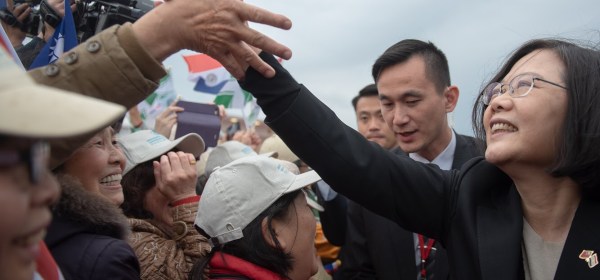
Why Is Tsai Ing-wen’s Popularity Rising?

Written by Dongtao Qi. Since the DPP was trounced by the KMT in the November 2018 nine-in-one local elections, most public opinion polls found that compared to other possible presidential candidates, popular support for president Tsai in the lead up to the 2020 presidential election was consistently the lowest. However, about six months before the 2020 presidential election, many polls showed a surprising turn…

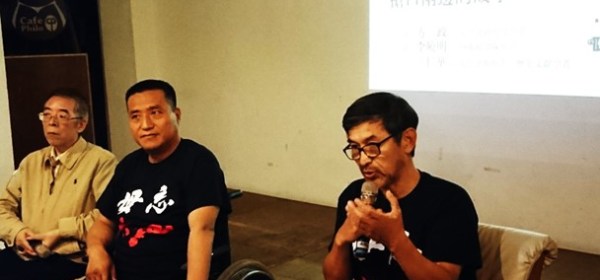
A Huge Difference from the June 4th Movement: The Relationship between Students and Workers in Today’s Leftist Movement in China and Its Limitation of Thought Resources

Written by Kuo Jia. Indeed, the left in Taiwan borrows heavily on this knowledge in its analysis of subjects and effects in movements. However, I do not mean that Western Marxism and new social movement theory that developed in Taiwan from the 1990s is always better or more progressive. I am just suggesting that these may inspire or supplement mainland China’s orthodox Marxism for young leftists and their movements.

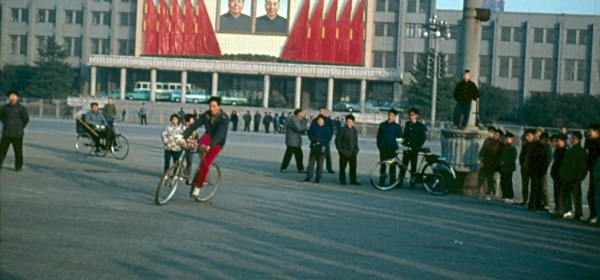
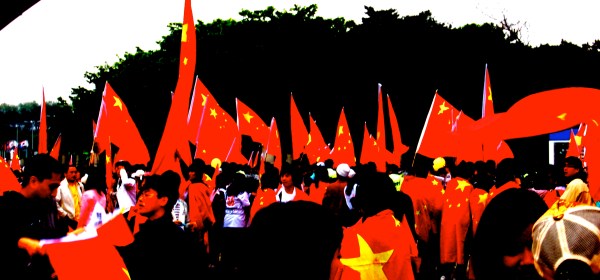
False Identity? Forced Identity?: Taiwan in China’s post-Tiananmen Nationalism

Written by Rowena He. The hijacking of history by the Chinese Communist Party, together with the manipulation of nationalistic sentiments, promotes historical amnesia, fosters a narrow and xenophobic nationalism, impedes reflection on historical tragedies and injustice, and stokes enthusiasm for China’s growing international assertiveness. And such state-sponsored made-in-China nationalism, compounded with the soft power exported through agencies such as Confucius Institutes, has profound implications for the future of China, its relationship with Taiwan, and the world.

1 14 15 16 17 18 21