Triangulating the Taiwanese Spirit in Southern California: Colonial Hauntings at the 228 Commemorative Concert

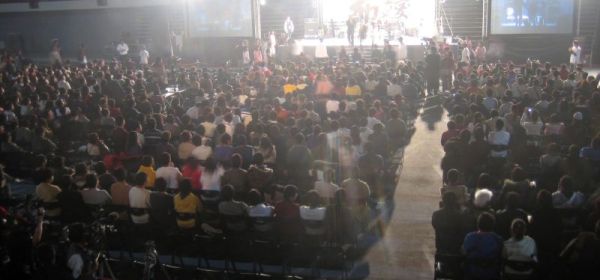
Written by Chun Chia Tai. In February, I saw a text message in a Taiwanese group chat promoting a concert commemorating the 228 massacre caused by the Kuomintang dictatorship in Taiwan on February 28th, 1947. The concert was called The Spiritual Day of Taiwan: 2-28 76th Commemorative Concert and was hosted by two Taiwanese American organisations: the Taiwanese United Foundation and the Taiwan Elite Alliance, since 2007. The performers were mainly Taiwanese. Many of them were not professionals but members of local Taiwanese church choirs. Most of the audience was familiar with the songs being performed; therefore, they sang along with the performers.

Reflecting on the Laguna Woods Shooting Tragedy: One Year Later

Written by Wayne Huang. On May 15, 2022, a fatal shooting occurred at the Irvine Taiwanese Presbyterian Church in Laguna Woods, California. During a lunch reception, the gunman locked the doors and opened fire with approximately a hundred people present. The church has been recognised for its significant role in Taiwan’s democratisation and independence movements since the 1970s. It has led to the suspicion that this historical connection motivated the assailant to travel over a hundred miles from Las Vegas to target the church. The shooting resulted in six individuals being shot, including Dr John Cheng, who lost his life while attempting to disarm the gunman. 

Wave Makers on Netflix: A Vision of Taiwanese Politics Not ‘Amid Tensions’  

Written by Chieh-Ting Yeh. “Wave Makers” (2023; ​人選之人-造浪者​) is a new drama on Netflix about political staffers trying to win a presidential election in the last few months of the campaign. This may sound like the premise of many television shows in the political intrigue genre, but it is the first of its kind from Taiwan to be available to a worldwide audience. The drama addresses various political issues relevant to contemporary Taiwan, including environmental concerns, energy policies, and workplace sexual harassment, reflecting the ongoing public debates on these topics. But it is glaring in what it is missing: Taiwan-China relations.

Graduation Trip: From Bland Bureaucrat to Madame Liberty

Written by Chieh-Ting Yeh. In 2011, a relatively unknown politician in Taiwan named Tsai Ing-wen became the presidential candidate for the Democratic Progressive Party, which was at the time the opposition. She was a capable bureaucrat that was most notable for her blandness; she had close to zero personal charisma to speak of.  

Ironically, this was also her strength. The last DPP president, Chen Shui-bian, was seen by American policymakers as an unpredictable populist. He used his charisma to play to his base’s anti-China stance. As a result, when the US was trying to engage China, Chen and the DPP were seen as “troublemakers”, raising “tensions.”

Chinese Military Drills After Tsai-McCarthy Meeting Will Be Used for Political Ammo by Both Camps

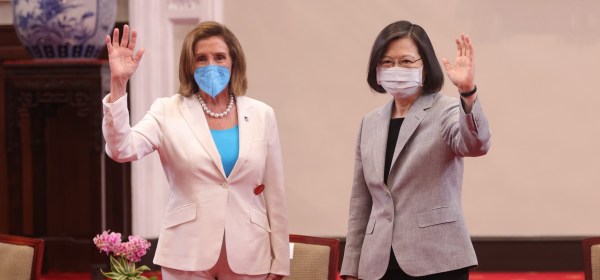
Written by Brian Hioe. One of the striking effects of Pelosi’s visit to Taiwan last August was to what extent it highlighted the perception gap within Taiwan as compared to outside Taiwan.  

At the time, much international discourse acted as though the Pelosi visit could be a prelude to World War III. Drama ensued from the visit’s onset, with the flight that Pelosi took to Taiwan followed by over 700,000 users on flight tracking website FlightRadar24–setting new records. Op-eds in international media outlets such as the New York Times framed Pelosi’s visit as unnecessarily provoking China.

President Tsai Ing-wen’s successful travels, in spite of a Chinese headwind: Solidifying Central American and US relations

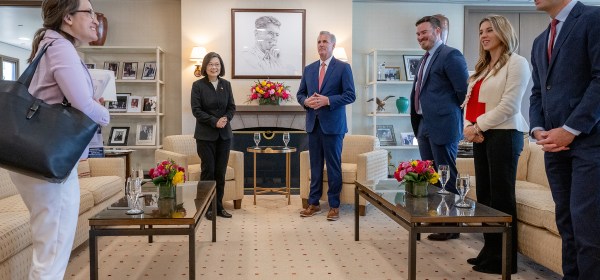
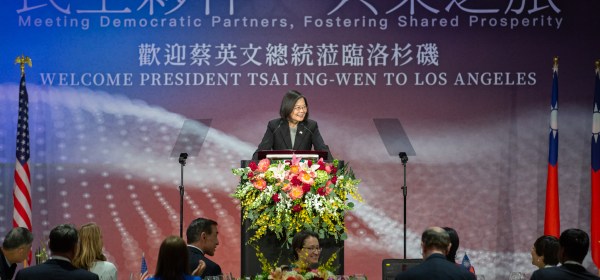
Written by Gerrit van der Wees. From late March through early April 2023, Taiwan’s President Tsai Ing-wen made her seventh foreign trip since becoming President in May 2016. The destinations were the Central American countries Guatemala and Belize, with stopovers in New York (on the way out) and Los Angeles (on the way back). The 10-day trip was her first foreign travel after Covid-19 made it sheer impossible to make such trips during the period 2020 – 2022. This trip became headline news because the CCP government in Beijing voiced major objections, particularly against a planned meeting with US House of Representatives Speaker Kevin McCarthy in Los Angeles. The objections are a continuation of the protests by Beijing against the August 2022 visit to Taiwan by McCarthy’s Democratic predecessor, Nancy Pelosi.

What A 2nd Trump Term Would Mean to Taiwan (and the US)

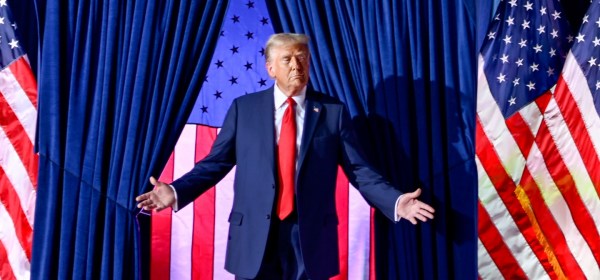
Written by Daniel Jia. Taiwan does not need and must avoid having a Taiwanese version of Donald Trump. However, Taiwan must be ready for a second Trump term unfavourable to Taiwan’s security. The new Trump administration would resume the economic-centred relationship with China as it did in the first term, likely at the cost of Taiwan’s international status and sovereignty. Taiwan cannot change Trump. But Taiwan can and must show the free world its resolve to defend itself like what Ukraine has been doing. With this unwavering resolution, Taiwan would have the chance to rally international support in the event of a China invasion. Then, and only with this determination, could Taiwan bring the US public and Congress to its side and mandate the lukewarm Trump to act as Biden in the current Ukraine-Russia war.

Addressing the Elephant in the Room: The California Shooting and the “Political Problem”

Written by His-Yao Lin and Yi-Lan Lin; translated by Yi-Yu Lai. It has been a while since the mass shooting at the Irvine Taiwanese Presbyterian Church in Southern California, United States, occurred last year. Many pieces of evidence are still ambiguous and cannot be determined. This shooting was not a unique case that sparked political tensions between the Chinese, Taiwanese, and Americans. In January 2023, a series of mass shootings also occurred in California, and two of them were emphasised since the suspects and victims seemed to be Asian. If we focus on the moment when the shooting happened, the “political” reaction in Taiwanese public opinion demonstrates the complexity and difficulties of Taiwan’s ethnic politics since 1949. 

Semiconductor industry: a shield to Taiwan or the source of insecurity?

Written by Guo-Huei Chen and Ming-En Hsiao. That is why Taiwan’s semiconductor industry is a key element in the strategic competition between the United States and China in science and technology. Losing Taiwan is equivalent to losing the power to speak in future innovative technology. Neither the United States nor China can afford the consequences of losing Taiwan’s semiconductors.

1 2 3 4 11