As Elections Approach, the KMT Looks Increasingly Rudderless

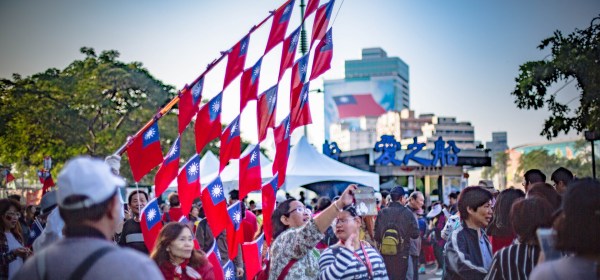
Written by J. Michael Cole. The Kuomintang (KMT) began 2019 a seemingly reinvigorated party following its successes in the previous November’s nationwide local elections. Epitomising this new energy was Han Kuo-yu, the candidate who had scored an unexpected victory against his opponent from the Democratic Progressive Party (DPP) in Kaohsiung, Chen Chi-mai. No sooner had Han assumed his seat as mayor of the southern port city than the “wave” that brought him into office elevated him to even greater heights.
Taiwan’s January 2020 National Election: The View from One-Month Prior

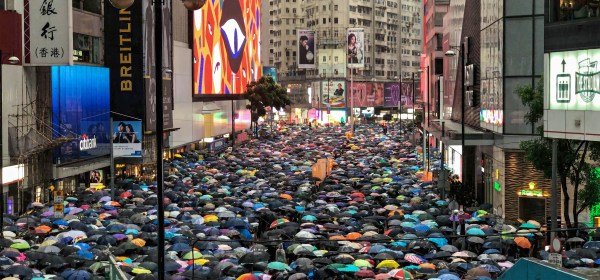
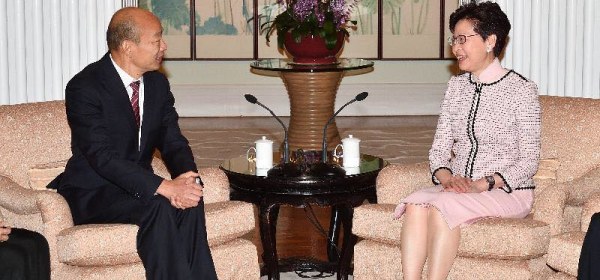
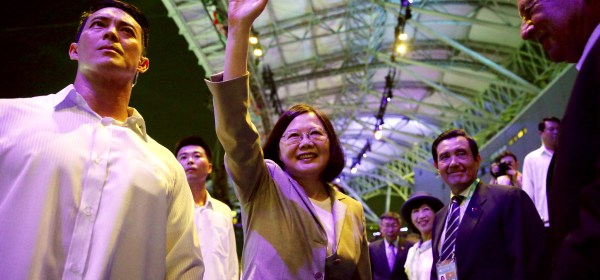
Written by John F. Copper. One month is still sufficient time for certain conditions to change. Members of the faux alliance cited above, Gou, Ko and Wang, might individually or as a group shift their stances to sincerely support Han’s campaign. This move would considerably bolster Han’s image and his voter support. An end to the protest movement in Hong Kong would have a similar affect, as Tsai’s campaign has capitalised on associated anti-China sentiment in Taiwan. Han’s campaign could also benefit if the US and China reach a trade deal agreement and consequently the US downgrades its happy stance towards Taiwan.

China’s Interference in Taiwan’s Elections: Responses from Taiwan and the US

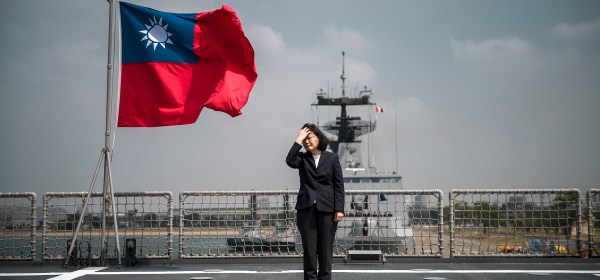
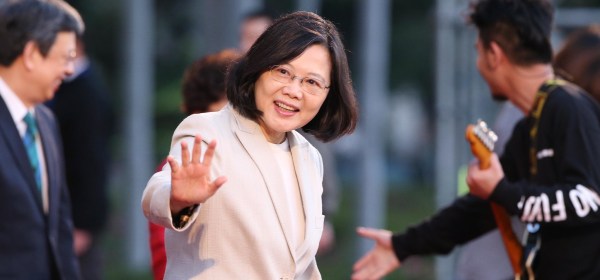
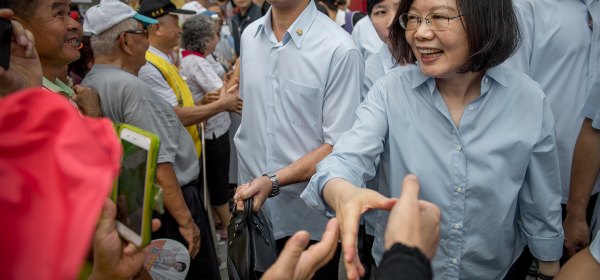
Written by Yu-Hua Chen. In January 2020 Taiwan will elect its president for the next four years. Incumbent president Tsai Ing-wen warned in an interview that “China’s attempt to meddle in this upcoming presidential election…is very obvious. We can see the shadow of Chinese meddling in every important election of Taiwan.” Although China denied the allegation, respectable research and reports provide evidence of how Beijing sways Taiwan’s elections and political processes.

Carrie Lam is Failing Hong Kong

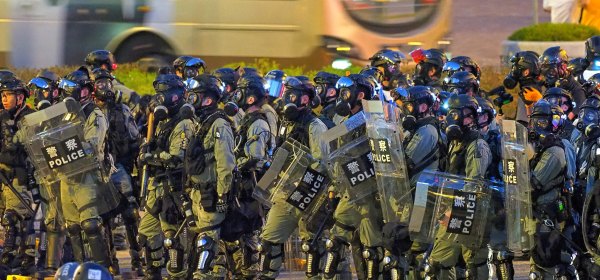
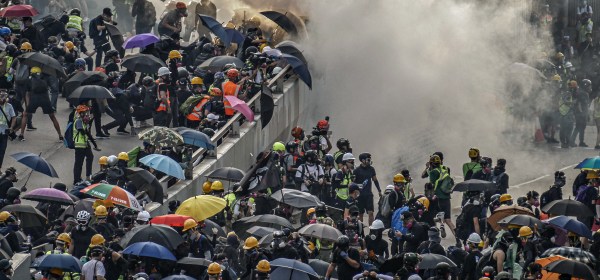
Written by Gerrit van der Wees. I just finished watching a powerful video of a street singer standing on a street corner in Hong Kong, singing pro-democracy songs. Some policemen moved in to stop him from singing, but despite the menacing position of the police, the presence of a surrounding crowd prevented them from acting. In the end, the singer wins, and the police lose.

Understanding and Fostering Hong Kong-Taiwanese Solidarity

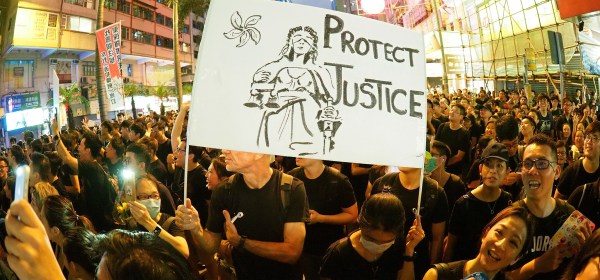
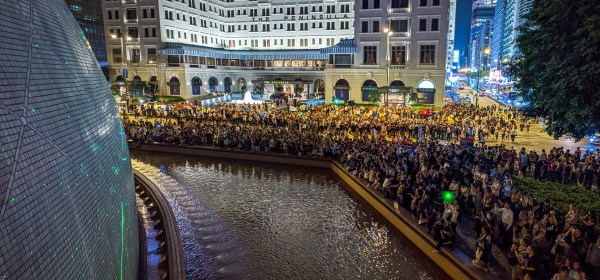
Written by Milo Hsieh. As the protests in Hong Kong continue, Hong Kongers and Taiwanese around the world have demonstrated a surprising level of solidarity. Taiwanese have mobilised to send protest gear to Hong Kong, and coordinate activists to speak at events, organise protest support rallies and create “Lennon Walls” to raise awareness. But just what explains such spontaneous, global demonstrations of Hong Konger-Taiwanese solidarity?

Hong Kong is a Mess for Beijing; Taiwan Would be a Nightmare

Written by J. Michael Cole. Liberal democratic societies are simply incompatible with the increasingly authoritarian mindset that animates the CCP. The notion that their inhabitants — global, connected and proud of their liberties — would willingly cede their freedoms to Beijing is naive at best. Such illusions are being shattered in Hong Kong as we speak, and the idea that the Taiwanese would be any less committed to preserving their hard-earned democracy is preposterous. It says a lot about the CCP’s appeal that the only way it can quiet down discontent on its peripheries is through pacification.

Above All, The Legitimacy of Taiwan’s Democracy

Written by J. Michael Cole. Despite the high polarization that characterizes Taiwanese politics, the country’s three-decade-long democratic history has, to its credit, witnessed near-universal respect for those ideals. The three transitions that have occurred since democratization — in 2000, 2008 and 2016 — have been peaceful; even the paper-thin re-election of Chen Shui-bian in 2004, during which some members of the opposition camp engaged in acts of violence, never came close to being regarded as illegitimate.

Taiwan’s 2020 Elections: Too Many Unknowns and Incalculables

Written by John F. Copper. In July, Taiwan’s two main political parties, the ruling Democratic Progressive Party (DPP) and the opposition Nationalist Party (Kuomintang or KMT), held primaries to select their presidential candidates for the coming election. President Tsai Ing-wen won for the DPP. Kaohsiung Mayor Han Kuo-yu will represent the KMT. At that juncture, pundits opined that January 11, 2020 would be a seminal event or “election of all times”. They said that the prevailing issue and one that cleaves Taiwan’s soul in half is independence versus unification. Clearly the two candidates mirrored the two sides of this seeming irreconcilable difference.

“Today’s Taiwan, Tomorrow’s Hong Kong”: Linkages between Hong Kong’s Protests and Taiwan’s Democracy

Written by Gerrit van der Wees. The Hong Kong protests also constituted a wake-up call for the people in Taiwan along the lines of “Today’s Hong Kong, Tomorrow’s Taiwan.” The erosion of freedoms in Hong Kong today is a clear example of what could happen in Taiwan tomorrow if Chinese pressure, intimidation and influence operations are allowed to run their course.

Trouble in the Blue Camp

Written by J. Michael Cole. More and more, there are signs that the mainstream KMT is trying to reassert control over its destiny. And that core KMT, as history has shown, can be ruthless. Within a matter of months, Han the savior has turned into a liability, and a bit of an embarrassment, for the party. What happens in the next weeks and months is anyone’s guess, but it is easy to conclude that Han and his supporters might not like what the blue camp has in store for them. 

1 14 15 16 17 18 21