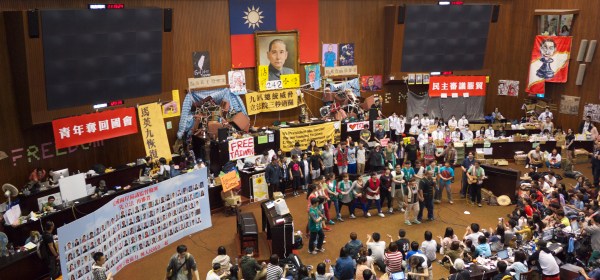
The Sunflower and Umbrella Movements: Ten Years On

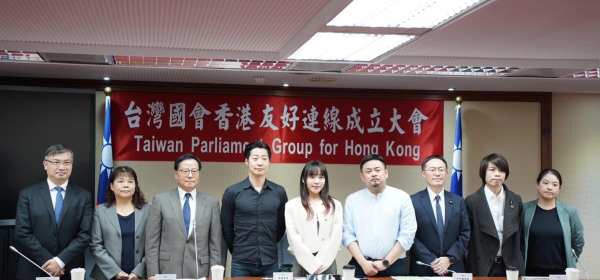
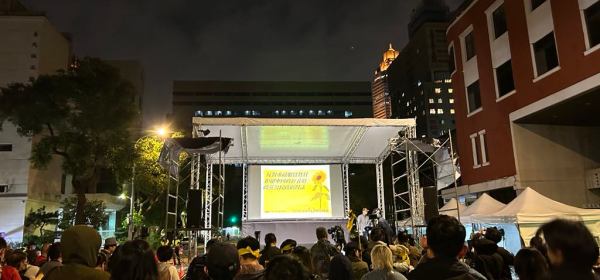
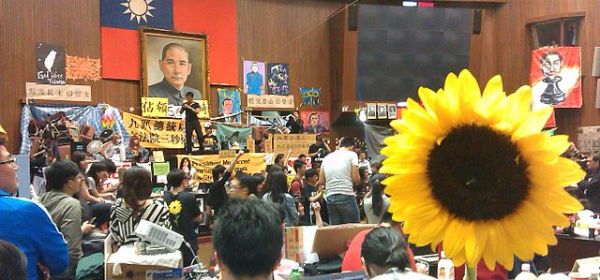
Written by Adrian Chiu. This special issue presents a brilliant line-up of scholars and observers of the two movements which provides insights and perspectives to analyse and reflect on the tenth anniversary of the Sunflower and Umbrella Movements. This introductory piece briefly sets the scene for their excellent analysis by reviewing some of the significant political changes both internationally and domestically.

Artists and the Unruly Bodies: Performances in 1980s Taiwan 

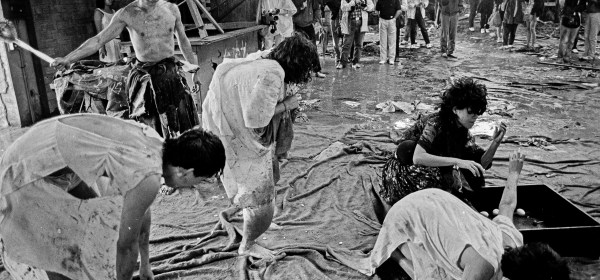
Written by Chee-Hann Wu. 2023 marks the 40th anniversary of the Taipei Fine Arts Museum (TFAM). Founded in 1983, the museum has witnessed the vicissitudes of Taiwanese society and its democratisation since the 1980s. The Wild Eighties: Dawn of a Transdisciplinary Taiwan, the first curated exhibition celebrating the Museum’s 40th anniversary, reconfigures the socio-political environment of the 1980s in conversation with the cultural scenes. Opening in December 2022, 25 years after the lifting of martial law, The Wild Eighties shows how the political transition inspired artists and creators to experiment with new forms of artistic expression grounded in rebellion and revolution and reimagined the meaning and relationship between art and society.  

An Unlimited Future: How Do We Get There? 

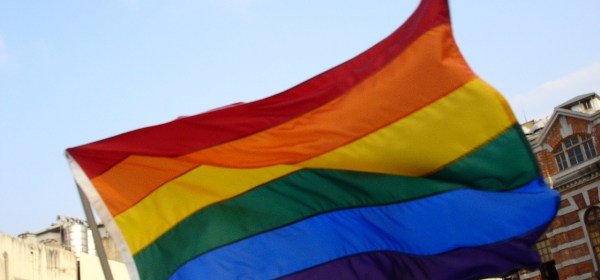
Written by JhuCin Rita Jhang. The year 2022 marked the 20th anniversary of the pride parade in Taiwan. It is a feat worth celebrating, and its theme, “An Unlimited Future,” adumbrates directions we are, or ought to be, heading toward.        

The host of the pride parade, Taiwan Rainbow Civil Action Association, explained, “this year’s theme, An Unlimited Future, heralds our long-term goal—to liberate all oppressions against sex and all stereotypes, allowing endless possibilities for everyone’s identity. The ultimate goal is that one day, no one needs to announce their identity in any way but can be anyone they want without judgment.” However, to arrive at the future depicted in this statement, we need first to understand what were, are, and may remain the limits, who put these limits and on whom, what are the consequences of the limits, and more importantly, the results of removal of these limits.

Local elections 2022: The squeezed space for Taiwan’s alternative parties

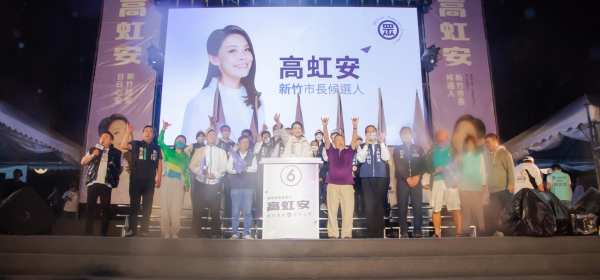
Written by Dafydd Fell. The general picture in 2022 is one of the challenger parties being further squeezed out of the party system. After the two main parties, the third largest party in the 2022 elections was the TPP, winning Hsinchu City mayor and 14 council seats. However, its impact should not be exaggerated. Despite its greater financial resources compared to other small parties, only 14 out of the TPP’s 86 candidates were elected. Given these results, the party may struggle to be competitive in the next round of national elections in 2024.

Why Should Taiwan’s Civil Society Raise Its Focus on Southeast Asia and Forge Concrete Collaborations?

Written by Liang Liang. Like most once-colonised countries, Taiwan has experienced a chequered history. However, the unique part of Taiwan, which may not be so similar to the rest of the world, is that the historical remnant has resulted in its awkward (but de facto independent) status, hence making Taiwan a coveted land to China. As a result, Taiwan has been identified as the “canary in the monetary coal mine” globally when China’s sharp power grows unprecedentedly. While Taiwan gradually receives interest from all over the world, including Southeast Asia, “the world” used to signify only China and the United States to the Taiwanese government and society. Located at the crossroads of Northeast and Southeast Asia and frequently using the slogan “The Heart of Asia” in its global tourism advertisements, it had, however, rarely shared the same interests and consciousness with its southern neighbours.

A Hub for Flexibility and Innovation. My Experiences with the g0v Community 

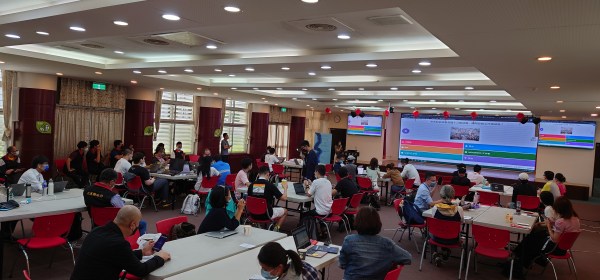
Written by Peter Cui. All projects above were born by the participant under the environment of flexibility, diversity, and vitality. In recent years, we have started a series of works under the project “sch001” to promote the open-source value and g0v society to the students at colleges and senior high schools in Taiwan. I am deeply persuaded that with more younger participants joining the organisation, more possibilities will come true in the next ten years of g0v society. 

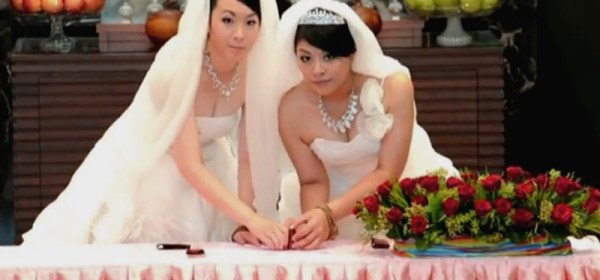
Almost-Marriage Equality in Taiwan

Written by JhuCin Rita Jhang. There are major legal rights not covered by the Act for Implementation of J. Y. Interpretation No. 748. First, it does not allow same-sex couples to co-adopt a child unrelated to either parent by blood. Once a same-sex couple gets married, they lose the right to adopt whatsoever, and they would have to obtain a divorce to be able to adopt as a single person. Even if someone adopts first as a single and then gets married to a same-sex person, the spouse still cannot cross-adopt this child. This bizarre and counterintuitive legal conundrum sends many same-sex couples wishing to co-adopt on a long, winding legal fight. Even though one married same-sex couple had won the lawsuit and became the first-ever same-sex couple to co-adopt a genetically unrelated child in January 2022, this was ruled on a case-by-case basis.

The Sunflower, the Umbrella, and the Square: How Three Protest Movements in 2014 Foreshadowed Russia and China’s Foreign Policy Approaches in 2022

Written by Max Dixon. Therefore, the grievances, tactics and repression of the protest movements outlined here enable a clear foreshadowing of the approaches of Russia and China that would follow. Yet where Ukraine and HK saw their political systems collapse in their post-movement societies, the strength of Taiwan’s democratic institutions and values prevailed. This resulted in negotiating with the Sunflower Movement’s strains and the calls to repress it, which have seen a stronger Taiwan emerge.

Hong Kong and Taiwan, Past and Present

Written by Jieh-min Wu. The deterioration of the situation over the last two years has been largely shaped by the global geopolitical environment, with growing Sino-American tensions or the “New Cold War” playing a critical part in Beijing’s decisions on Hong Kong. Given that the Xi regime is the source of Hong Kong’s political authority, the situation is unlikely to change unless Beijing loosens its grip. Even so, things can be done to preserve a glimmer of hope for the future of democracy in Hong Kong.

1 2 3 4