
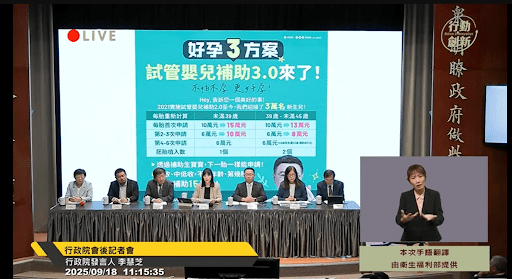
Written by Pei-Chieh Hsu. This article illustrates how state-subsidised assisted reproductive technology has reshaped reproduction in Taiwan, situating Taiwan’s In Vitro Fertilisation (IVF) within global pronatalist regimes, fiscal governance, and demographic anxiety. It analyses policy design, comparative fertility outcomes, and ethnographic IVF experiences to show how subsidies engineered technological dependence while reproducing new social, medical, and moral hierarchies.


Three Happy Losers and One Winner: Comments on the 2024 Taiwan National Elections
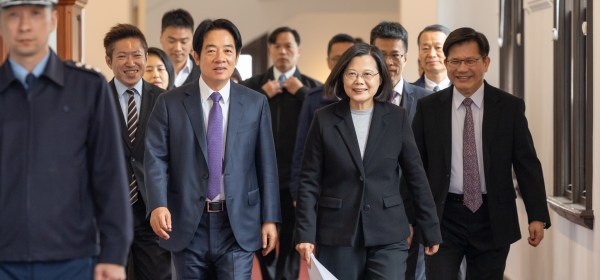
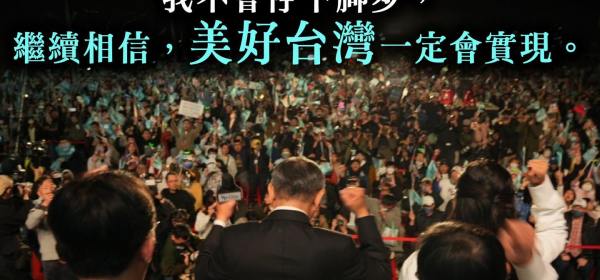
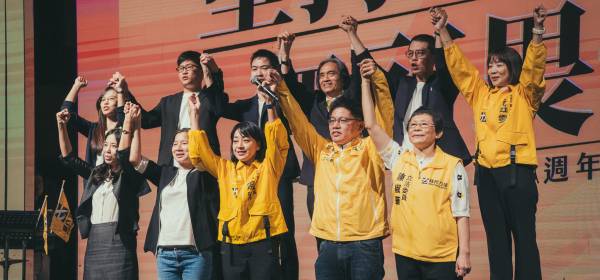
Written by Chia-hung Tsai. Taiwan’s 2024 presidential and legislative elections, held on 13 January, concluded peacefully, revealing key insights into the electorate’s priorities. The results highlight that voters are influenced by both their sense of Taiwanese/Chinese identity, especially in the context of cross-strait relations, and their pragmatic concerns for personal, tangible interests, for instance, low income, high inflation, high unemployment rate and unaffordable housing prices for average middle class in Taiwan. These transcend ideological or identity boundaries. The dual factors set the stage for the critical governance issues and candidate personalities that defined the election.





 Taiwan Insight