
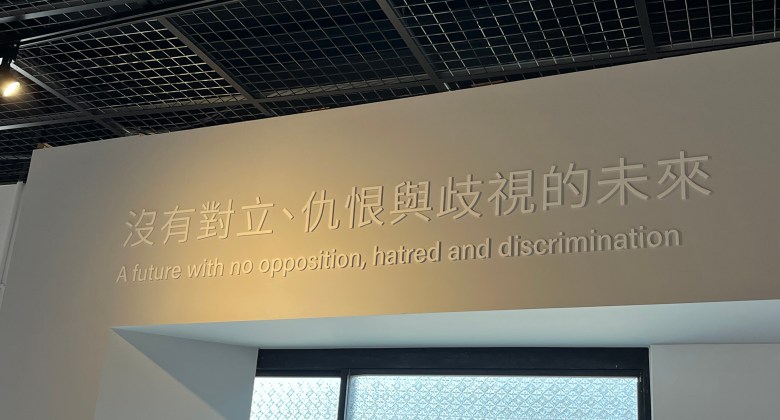
Written by Chee-Hann Wu. This article reflects a personal memory and classroom discussion; she explores the ethical responsibilities of artists when representing traumatic historical events. Emphasising consent, historical accuracy, and self-awareness, the piece argues that storytellers and audiences alike must engage critically with how collective trauma is portrayed and remembered in art and media.
Displaying Indigenous People’s “Heirlooms” in Museums? Lessons from the Heirloom Exhibition of Pingtung Indigenous Peoples Museum
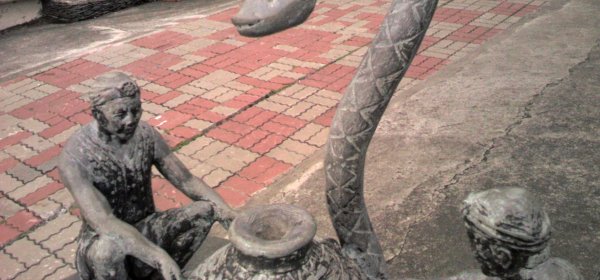
Written by Drangadrang Kaljuvucing. “The Family Heirlooms of Slop-Dwelling Peoples” exhibition was the fruit of a competition to discover Indigenous heirlooms that still exist in Indigenous communities. It was the Pingtung Indigenous Peoples Museum (PIM) partnering with four other Indigenous museums in Pingtung County, including Wutai Pavilion, Sandimen Pavilion, Laiyi Pavilion, and Shizi Pavilion, to conduct exhibition collection, field surveys, and promotion as part of a project with the Ministry of Culture in Taiwan. The thirteen heirlooms for the exhibition, which included clothing, accessories, paintings, weaves, wood carvings, clay pots, and other living implements, originated from seven Indigenous towns in Pingtung County, except for Chunri Township. While the exhibited pieces were grouped into three categories: “Living Etiquette,” “Decorating Life,” and “Cultural Heritage,” the exhibition highlighted the diversity and uniqueness of the heirlooms revealed by their owners through interview processes.




 Taiwan Insight