After Fukushima, Japan is Re-investing in Nuclear. Why Won’t Taiwan?

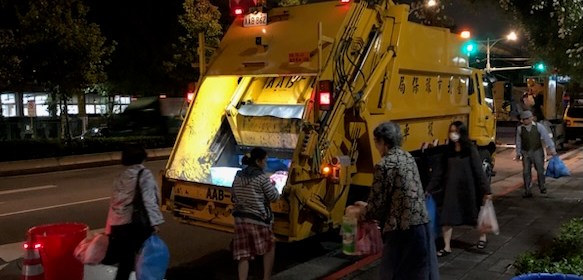
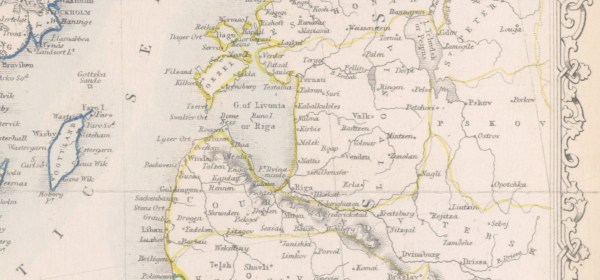
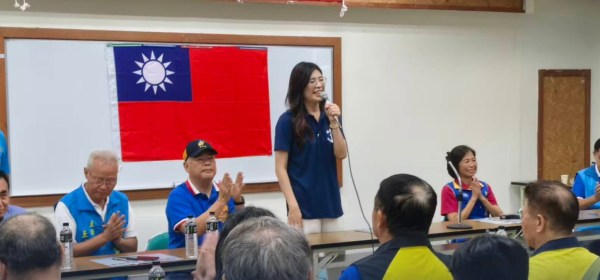
Written by Lena McEachern. This article argues that Taiwan should reinvest in nuclear energy for its energy security in the current geopolitical climate. It is also a relatively environmentally clean energy source. Although the referendum to open Maanshan reactor did not reach the legal threshold necessary to pass, the DPP should build momentum towards restarting decommissioned reactors.

Taiwan in Global Discussions

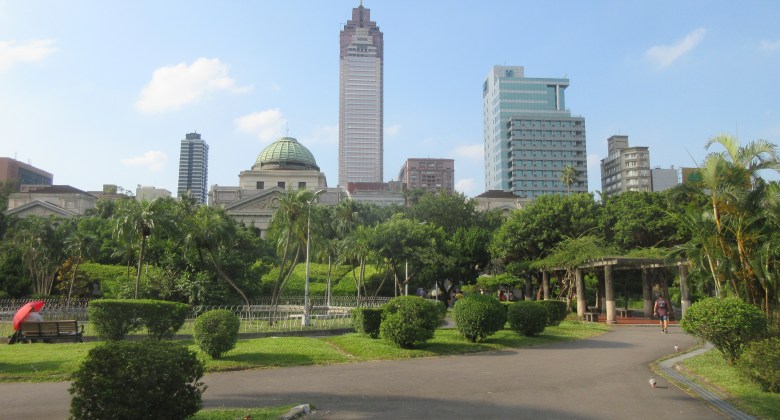
Written by Manoj Kumar Panigrahi. This article begins with Philippine President Marcos Jr.’s recent visit to India. It highlights the new bilateral agreements, investment, and his remarks on Taiwan that provoked Chinese and Taiwanese responses. The author then provides a critical examination of the India-China and India-Taiwan relationships, particularly situating Taiwan at the center of evolving regional security and economic dynamics.

Fisheries as a Means of Outward Mobility During Taiwan’s Martial Law Period 

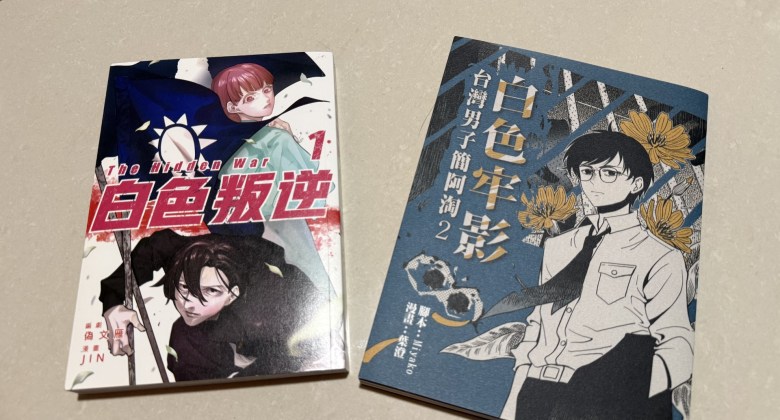
Written by Jess Marinaccio. This article examines Taiwan’s fisheries during martial law, with a focus on the 1976 Jinnan No. 1 incident in New Zealand. Illegal fishing both strained Pacific diplomacy and yet revealed how fishing boats enabled individual mobility. For workers like Zhang Songhuo on Jinnan No. 1, fisheries were not solely a means of livelihood, but also a possible escape route from the authoritarian ROC during the martial law period.

Rosettating Between Minoritised Languages: How Taiwanese Readers Respond to Intermediated Translation

Written by Naomi Sím. The article introduces “rosettation,” a method of translating between minoritised languages like Tâigí and Gaelic via dominant ones. The Tâigael project explores linguistic solidarity, reader responses, and political tensions. Rosettation emerges as both a pragmatic strategy and a literary experiment, which enables new forms of intercultural dialogue despite inherent compromises.

Orchids in the Wild

Written by Lisa LacDonald. This article reflects on orchids in Scotland and Taiwan as metaphors for translation. While Scottish orchids evoke resilience, Taiwanese orchids embody richness and locality. The author highlights the difficulty of conveying cultural nuance across languages, framing translation as both interpretation and resistance, balancing fidelity, accessibility, and the preservation of linguistic diversity.

Grandmother Islands: Oral Memory, Mother Tongues, and Literary Kinship between Taiwan and Scotland

Written by Elissa Hunter-Dorans. This article reflects on how maternal and grandmaternal figures embody the preservation of Taiwanese and Gaelic. Through Tâigael, the author explores oral traditions, familial intimacy, and the “mother tongue” as both metaphor and surrogate caregiver, showing how literature sustains endangered languages and fosters cross-cultural kinship.

Tâigael: Orchids, Maternal Care, and a New Rosetta Stone

Written by Hannah Stevens and Will Buckingham. The article introduces Tâigael: Stories from Taiwanese & Gaelic, a translation project linking two minoritised languages through English and Mandarin as bridges. Writers reflect on linguistic solidarity, maternal legacies in “mother tongues,” risks of reinforcing hierarchies, and ecological fidelity in translation. Together, their essays highlight translation’s generative, resistant, and collaborative potential.

The Island Is Our Canoe: Taiwan–Guam Exchange Finds Connection Beyond the Stage

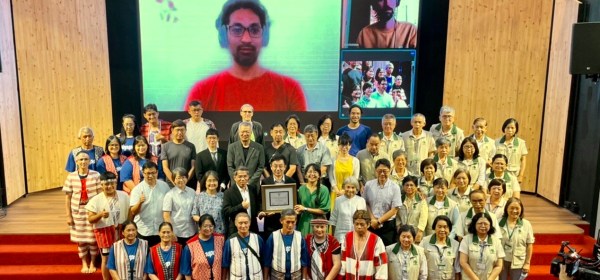
Written by Eloise Phillips. This article examines the 2025 Taiwan–Guam cultural exchange, led by Taiwan’s National Museum of Prehistory, which wove song, canoe building, and shared practices into island diplomacy. Through workshops, performances, and informal encounters, the program connected Austronesian communities across the Pacific, highlighting resilience, mutual reclamation, and living traditions of cultural practice, language, and art.

1 4 5 6 7 8 135