Taiwan’s Tibetan Buddhist Monk Dilemma and its Unintended Consequences

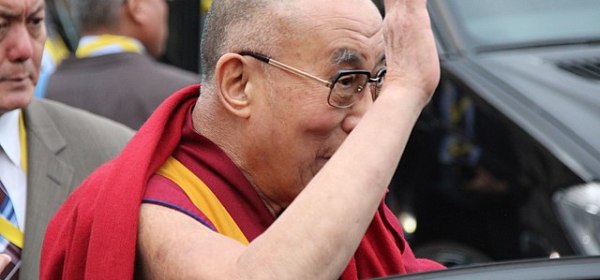
Written by Dolma Tsering. Taiwan is known as the beacon of democracy, and its competitive democratic principles and practices distinguish it from authoritarian China. Advocacy for promoting religious freedom is one of the important tasks undertaken by the government. For instance, as a part of this advocacy, in 2018, President Tsa Ing-Wen announced that Taiwan would donate US$200,000 per year for five years to the United States’ International Religious Freedom Fund as a part of Taiwan’s contribution to advancing global religious freedom. The government, annually in association with the American Institute in Taiwan (AIT), hosts an international forum for religious freedom to establish a more inclusive society in Taiwan. However, on 6th June 2023, more than 112 Tibetan Buddhist centres in Taiwan joined a press conference which called for the government’s unfair treatment of visa restrictions for Tibetan Buddhist monks in Taiwan and therefore demanded an amendment to the existing visa restriction.
Moving Toward a More Inclusive Society: The Educational Policy of New Immigrant Children in Taiwan

Written by Dorothy I-ru Chen. Ethnocentrism is often found in a highly homogenous society like Taiwan. There have been stereotypes and bias against new immigrant children over the years. Studies conducted in the early days suggested that these children’s academic achievements were lagging. Moreover, these studies failed to recognise the problem may lie within schools which are not capable of meeting the needs of children from diverse cultural backgrounds.

Taiwan’s Immigration Policy: support, concerns and challenges

Written by Timothy S. Rich and Madelynn Einhorn. Taiwan’s 2020 election was its first with immigration as a salient issue. The country’s immigration challenges are not unlike those in other developed nations, where the demand for immigrant workers faces a domestic backlash. Meanwhile, immigrant workers, predominantly from Indonesia, Vietnam, and the Philippines, increasingly have been more vocal about concerns of unfair treatment, including protesting labour conditions  and the broker system for employment.