Stepping Through the Door: Taiwan’s Space Future in Motion (2)

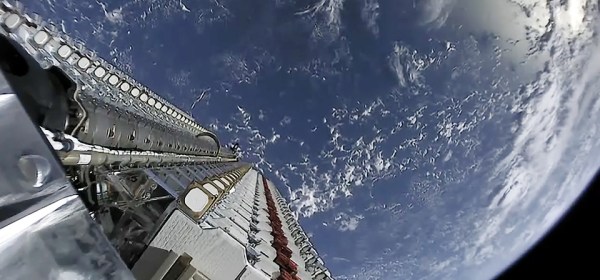
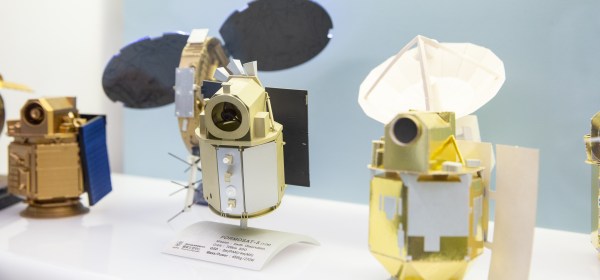
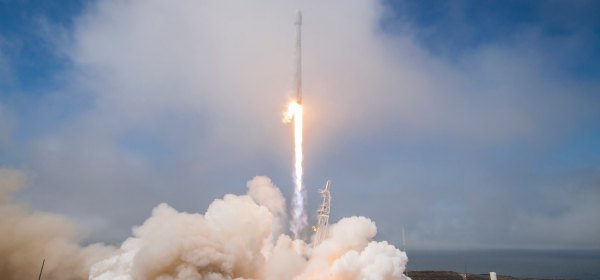
Written by Andie Wang. The second part of this two-part article examines two critical aspects of Taiwan’s space ambitions: international partnerships and talent development, analysing both current initiatives and future opportunities. It argues that through strategic partnership development and systematic talent incubation mechanisms, Taiwan can become a more established space power and a significant contributor to the global space ecosystem.
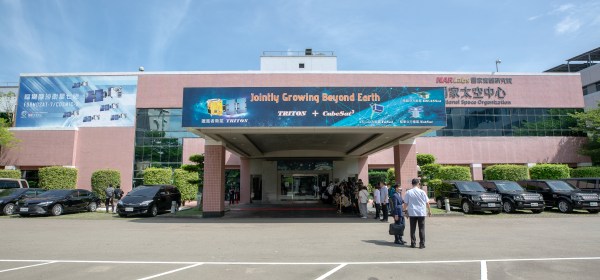
Stepping Through the Door: Taiwan’s Space Future in Motion (1)

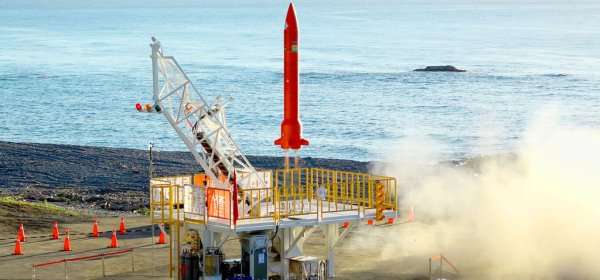
Written by Andie Wang. This two-part article explores the future of Taiwan’s space development. This paper examines two critical aspects of Taiwan’s space development: enhanced cross-agency coordination and vertical industry integration. It argues that strengthening governmental coordination mechanisms and developing comprehensive capabilities across the space industry value chain are essential foundations for Taiwan’s space leadership.

Floating in a Most Peculiar Way: Taiwan’s Struggles in Space Development

Written by Jiun-Ru Chiang. This article examines the geopolitical constraints of Taiwan’s space development, exploring how China use political and economic power to shape broader geopolitical restraints in order to obstruct Taiwan’s space development. While struggling in space development and international cooperation, Taiwan must pursue a more calculated and diversified approach.

Commencing Countdown: Taiwan’s Journey in Space Development

Written by Jiun-Ru Chiang, Fan Su, and Jie-Yun Hung. This article reviews Taiwan’s journey in space development, reflecting a strategic evolution from experimental satellite projects to a structured, policy-driven industry. Examining the evolution of Taiwan’s space sector provides insight into how government initiatives, industrial expertise, and diplomatic challenges have intertwined to influence the country’s strategic direction. 

Strategic Focus Areas for Taiwan’s Burgeoning Domestic Space Industry

Written by Jason Wang. While Taiwan’s democratic IP-friendly government, hardware, and engineering talents give the nation a competitive advantage in the global New Space industry, complex challenges still lie ahead. Specifically, how effectively can the Tsai Administration rally a whole-of-government approach to reduce the friction of building a domestic ecosystem that encourages international new space players to stay and grow with Taiwan? Six strategic focus areas will be discussed in the following paragraphs: Infrastructure for new space industry development, Risk-tolerant funding, a.k.a the Taiwan Space Fund, Spectrum and orbital slots, Space situational awareness, Software applications not well as hardware, an education system redesigned to produce multidisciplinary talent and more women.

Is It Taiwan’s Turn to Invest in Space?

Written by David Michael Jaffe. Space Force. Space Operations Squadron. Strategic Support Force. These are the entities, all created within the last five years, responsible for shaping the future of military space operations in the United States, Japan, and the People’s Republic of China, respectively. Russia, too, calls its military’s outer space division the “Space Force.” Meanwhile, South Korea – while it has yet to name a new division formally – recently launched a military satellite aboard a SpaceX rocket in Florida and plans to launch a military satellite from its own soil in the next few years. Australia has already launched satellites from its own soil. Members of the country’s Defence Science and Technology Group are considering launching their own military satellite and advocating for creating their own space force. It is no secret that North Korea also has ambitions to engage in the military space arena.